How to Transplant Bee-bee tree?
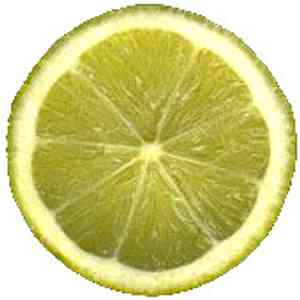
The optimal period for relocating bee-bee tree is after the last freeze, throughout the revitalizing stage of early to mid-spring. Select a sunny location featuring soil that drains effectively. Careful management of the root system guarantees bee-bee tree adapts smoothly to its new environment.
What Preparations are Needed Before Transplanting Bee-bee Tree?
What is the Ideal Time for Transplanting Bee-bee Tree?
The optimal period to relocate bee-bee tree is during early spring, just after the last frost and prior to vigorous growth. At this time, moderate temperatures and ample soil moisture provide bee-bee tree with an excellent start in its new spot. Roots can firmly establish without the stress of extreme heat or cold, fostering healthier development. This precise timing utilizes nature's regenerative cycle to ensure bee-bee tree flourishes in its new home.
How Much Space Should You Leave Between Bee-bee Tree Plants?
To allow each bee-bee tree sufficient room to develop, maintain a distance of approximately 15-20 feet (4.5-6 meters) between individual plants. This will guarantee they can expand and thrive without competing for resources. Don't worry, you're doing great!
What is the Best Soil Mix for Bee-bee Tree Transplanting?
The bee-bee tree thrives in soil that drains well and is slightly acidic to neutral. Before moving the plant, enrich the soil with a slow-release, all-purpose fertilizer. It's like providing your new plants with a nutritious meal to kickstart their growth. Keep going, novice gardener!
Where Should You Relocate Your Bee-bee Tree?
Select a location where your bee-bee tree will receive full to partial sunlightâmeaning at least 4 hours of direct sun daily. Remember, light is crucial for their development. You're almost there!
What Equipments Should You Prepare Before Transplantation Bee-bee Tree?
Gardening Gloves
To safeguard your hands while handling soil and plants.
Shovel
To excavate the bee-bee tree from its original spot without harming the roots.
Garden Spade
To create the planting hole in the new location.
Watering Can
To hydrate the plant before and after relocation.
Wheelbarrow
To move the bee-bee tree between sites without causing damage.
Gardening Fork
To loosen the soil around the bee-bee tree before removal.
Mulch
To cover the soil surface around the bee-bee tree after it's been transplanted.
Organic Compost
To blend with the existing soil in the new area to enrich it for improved root growth.
How Do You Remove Bee-bee Tree from the Soil?
How Do You Remove Bee-bee Tree from the Soil?
From Ground: First, water the bee-bee tree to moisten the soil. Wearing gardening gloves, use the gardening fork to gently loosen the soil surrounding the plant. Use the shovel to dig a wide trench around the plant, ensuring the root ball remains intact. Now, carefully work the spade beneath the root ball to lift the plant from its initial position.From Pot: Water the bee-bee tree, then carefully tilt the pot sideways and tap it to loosen the root ball. Gently pull the plant's base to extract it from the pot. Be careful not to damage the root system.From Seedling Tray: Moisten the soil to facilitate easier removal of the bee-bee tree. With your fingers, gently squeeze the bottom of each cell or pinch the stem to lift the seedling out, taking care not to harm the delicate roots and shoots.
Step-by-Step Guide for Transplanting Bee-bee Tree
Preparation
Thoroughly water your bee-bee tree several hours before transplanting. This aids in an easier and less stressful extraction process for the plant.
Digging
At the new site, dig a hole that is twice as wide and the same depth as the bee-bee tree's root ball. This provides ample space for the roots to spread and grow.
Planting
Place the bee-bee tree into the hole. The top of the root ball should be level with the soil surface. Backfill the hole with a mixture of garden soil and compost, gently firming the soil around the plant's base.
Watering
Water the bee-bee tree generously immediately after transplanting. This helps to settle the soil and minimize transplant shock.
Mulching
Apply a layer of mulch around the bee-bee tree to help retain moisture and suppress weeds.
How Do You Care For Bee-bee Tree After Transplanting?
Watering
Ensure the soil around the bee-bee tree remains consistently damp, but not waterlogged, for the initial few weeks to help the plant establish a strong root system.
Pruning
Remove any damaged or diseased branches to redirect the bee-bee tree's energy towards root development. However, avoid extensive pruning until the following season.
Checking
Regularly inspect for any indications of disease or pests. Early detection can help safeguard your bee-bee tree from severe harm.
Protection
Erect a temporary windbreak or shade cloth for the first few weeks if transplanting occurs during hot, dry, or windy conditions to reduce evaporative stress on the bee-bee tree.
Troubleshooting Common Issues with Bee-bee Tree Transplantation.
What's the ideal season to transplant the bee-bee tree?
The most suitable period to relocate your bee-bee tree is between late winter and early spring.
What is the ideal distance when I plant bee-bee tree?
Ensure a generous spacing of approximately 15-20 feet (4.5-6 meters) between each bee-bee tree during transplantation.
Why is my newly transplanted bee-bee tree wilting?
Bee-bee tree might wilt due to transplant shock. Keep it adequately watered but avoid direct watering of the leaves to reduce disease risk.
How should I prepare the soil for bee-bee tree transplantation?
The soil should be well-draining and rich in organic matter. Fertilize the ground if necessary before planting your bee-bee tree.
What size hole do I dig for transplanting bee-bee tree?
The hole should be twice the width and the same depth as the root ball of your bee-bee tree.
Why don't my transplanted bee-bee tree have blooms?
Bee-bee tree might not flower immediately after transplanting, as it needs to establish its roots first. Patience is crucial!
How much water does a newly transplanted bee-bee tree need?
Your newly transplanted bee-bee tree should be kept consistently moist. However, overwatering can also be detrimental, so balance is key.
Why are my transplanted bee-bee tree's leaves turning yellow?
Yellowing leaves could indicate overwatering or poor drainage. Check the soil's moisture levels and adjust irrigation as needed.
What should I do if my transplanted bee-bee tree isn't showing any growth?
Remember, bee-bee tree may take time to establish after transplanting. However, ensure it receives sufficient sunlight, water, and nutrient-rich soil.
How do I protect my transplanted bee-bee tree from pests and diseases?
Regularly inspect your bee-bee tree for signs of pests or disease. Use organic pesticides or disease control products if required.



