Bee-bee tree (Tetradium daniellii)
Also known as: Hube evodia
The bee-bee tree (Tetradium daniellii) is a lesser-known but valuable ornamental plant. Female trees produce clusters of fragrant white flowers between late spring and early summer. This plant is especially favored by amateur beekeepers and gardeners aiming to attract pollinating bees.
In This Article
Attributes of Bee-bee tree
Lifespan
Perennial
Plant Type
Tree, Shrub
Plant Height
8 m to 8 m
Spread
6 m to 9 m
Leaf Color
Green Yellow
Flower Size
2.5 cm
Flower Color
White Yellow
Images of Bee-bee tree
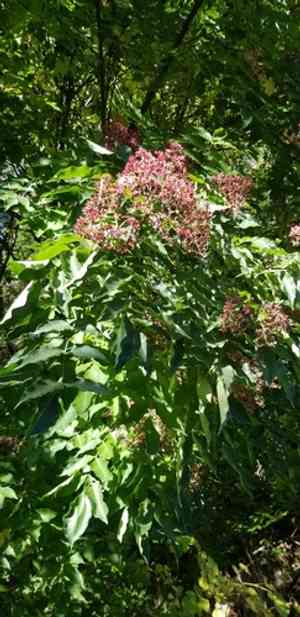
Quickly Identify Bee-bee tree
1
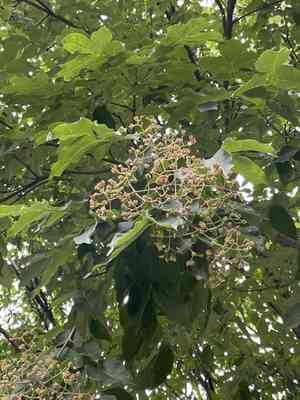
Umbrella-shaped canopy with fragrant, creamy-white flowers
2
Distinctive seed pods resembling tiny bees
3
Compound leaves with pubescent underside and visible vein pattern
4
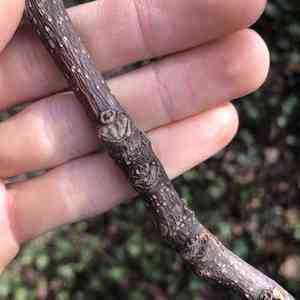
Lenticel-covered stem with velvety hair texture
5
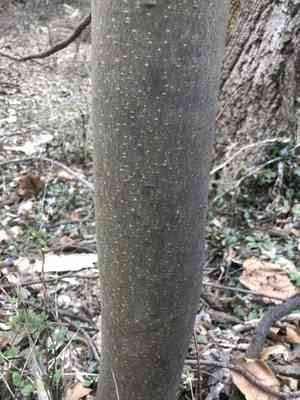
Smooth gray trunk with prominent lenticels for gas exchange
Scientific Classification of Bee-bee tree
Phylum
Vascular plants
Class
Dicotyledons
Order
Sapindales
Family
Rue
Genus
Euodia
Species
Bee-bee tree
Planting and Growing of Bee-bee tree
Care Difficulty
Easy
Watering Schedule
Every 3 days
Sunlight Requirements
Full sun
Sunshine Duration
4-8 hours
Ideal Temperature
60-75℉
Soil Type
Potting Mix, Peat Mix
Soil pH
6.5-7.5
Fertilizer Type
Balanced
Pruning Season
Spring, Summer
Pruning Area
Branches, Leaves
Pruning Frequency
2 times a year
Repotting Season
Spring
Pot Type
Plastic, Ceramic
 How to Water Bee-bee tree?
When watering Tetradium daniellii, ensure that the soil is effectively moistened but not waterlogged. Aim for around 200 ml per watering session. This will keep the roots sufficiently hydrated without over-saturating the soil, striking a balance that prevents root rot while supporting healthy growth.
What are the symptoms of an underwatered Bee-bee tree?
›
What should I do if my Bee-bee tree is not getting enough water?
›
What are the symptoms of an overwatered Bee-bee tree?
›
How to save an overwatered Bee-bee tree?
›
 What Are the Sunlight Requirements for Bee-bee tree?
Tetradium daniellii thrives best in full to partial sun, benefiting from six to eight hours of daily sunlight. This range supports robust growth, ideal flowering, and healthy foliage development.
More About Sunlight Requirements Techniques→
What is the ideal light condition?
›
How can you achieve the ideal light condition?
›
What benefits can be gained from the ideal light condition?
›
 What Is the Ideal Temperature Range for Bee-bee tree?
For optimal growth, Tetradium daniellii thrives in temperatures ranging from 60°F to 75°F. This range allows for balanced metabolic processes and minimizes stress on the plant. Maintaining these temperatures ensures optimal growth and blooming conditions.
 What Soil is Best for Bee-bee tree?
Tetradium daniellii thrives in soil that retains moisture well without becoming waterlogged. This ensures consistent hydration, promoting vigorous growth and lush foliage. Loamy soil enriched with organic matter provides the vital nutrients that Tetradium daniellii requires. This nutrient-rich base supports healthy development and enhances flowering. Well-drained soil prevents root rot in Tetradium daniellii. Adequate aeration around roots is crucial for oxygen exchange, leading to healthier root systems and better overall plant vitality.
 How to Fertilize Bee-bee tree?
For Tetradium daniellii, it is important to ensure balanced nutrition. When using liquid fertilizer, apply a half-strength solution every month to prevent nutrient burn. For slow-release fertilizers, use about 100 grams per application, ensuring uniform distribution around the drip line.
 How to Prune Bee-bee tree?
Begin by thoroughly inspecting the tree for any branches that appear dead, diseased, or damaged. Prune these branches back to healthy wood, making clean cuts close to the main branch or trunk. This helps prevent the spread of diseases and allows the tree to redirect energy to healthy growth. Tetradium daniellii benefits from regular shaping to maintain its attractive umbrella-like canopy. Remove any crossing or overcrowded branches to enhance air circulation and light penetration. This shaping process helps to ensure even growth and prevents the canopy from becoming too dense, which could lead to potential structural issues. Focus on formative pruning during the tree's early years. Select a strong leader branch and remove any competing trunks to establish a single trunk form. This approach not only improves the tree’s structural integrity but also enhances its aesthetic appeal over time.
More About Pruning Techniques→
 How to Propagate Bee-bee tree plant?
1
Collect seeds from mature Tetradium daniellii fruits in late summer. Clean them thoroughly and allow them to dry before storing or sowing.
2
Take semi-hardwood cuttings during early spring. Select healthy stems and cut them to about 10-15cm in length, ensuring at least two nodes per cutting.
3
For both seeds and cuttings, use a well-draining potting mix. Plant seeds just below the soil surface and insert cuttings into the mix. Water lightly to moisten without waterlogging.
 How to Repot Bee-bee tree plant?
1
Repotting is essential when your Tetradium daniellii's roots start to circle the pot, clearly visible through drainage holes. Additionally, if the soil is compacted or not retaining moisture effectively, these are signs it's time for a new environment, typically in spring or summer when the plant is actively growing.
2
Select a pot that is roughly two inches wider in diameter than its current container. This allows the roots room to grow, promoting vigor and stability. A pot with adequate drainage is vital to prevent waterlogged soil, which can lead to root rot and unhealthy plant growth.
3
Choose a well-draining, loamy mix enriched with organic matter. This soil type retains necessary moisture while avoiding oversaturation, providing an ideal environment that mimics the plant's natural habitat, enhancing root health and growth.
Learn More About Bee-bee tree Diseases
Anthracnose
Bacterial Leaf Spot
Black Spot
Chemical Injury
Crown Gall
Damping-off
Downy Mildew
Drought Stress
Fusarium Wilt
Gray Mold
Leaf Curl
Leaf Spot
Mosaic
Nutrient Deficiency
Nutrient Toxicity
Powdery Mildew
Root Rot
Root-knot Nematode
Rusts
Sooty Mold
Spider Mites
Temperature Stress
Thrips Damage
White Mold



