How to Transplant White tephrosia?
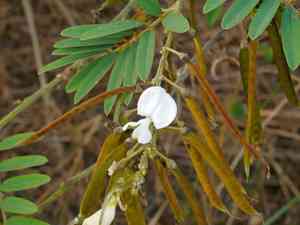
The optimal period for relocating white tephrosia spans from early spring to the beginning of summer, a time when active development guarantees strong integration. Select a location bathed in sunlight, featuring soil that drains effectively. During the transplanting process, proceed gently to safeguard delicate root structures.
What Preparations are Needed Before Transplanting White Tephrosia?
What is the Ideal Time for Transplanting White Tephrosia?
The optimal period for relocating white tephrosia spans from early spring's awakening to the onset of summer's warmth. This timeframe is perfect as moderate temperatures and increased daylight aid root development. During this phase, white tephrosia's root system can quickly recover from the move, benefiting from the moist spring soil, and will become firmly established before summer's heat. This guarantees a vigorous growth cycle, providing the plant a healthy start in its new spot, which is vital for perennials like white tephrosia to flourish annually. Embrace this prime transplanting window for a lush, vibrant addition to your garden!
How Much Space Should You Leave Between White Tephrosia Plants?
Hello there, aspiring gardener! Before your white tephrosia settles into its new home, let's ensure ample room for expansion. Aim for a comfortable spacing of 2-3 feet (60-90 cm) between each plant. This allows them to thrive without competing for nutrients or sunlight. Happy planting!
What is the Best Soil Mix for White Tephrosia Transplanting?
To give your white tephrosia the best start, prepare a rich, well-draining soil mixture. A loamy base with some compost works wonders as a natural nutrient source. It will nourish the roots and create a comfortable bed for your green companion. Get ready to get your hands dirty!
Where Should You Relocate Your White Tephrosia?
Your white tephrosia thrives in sunny conditions! Select a spot where it can enjoy partial to full sunlight for healthy growth. This little sun-lover will reward you with robust health and beauty, provided it receives its daily dose of sunshine.
What Equipments Should You Prepare Before Transplantation White Tephrosia?
Gardening Gloves
To safeguard your hands while handling soil and plants.
Shovel or Spade
For excavating the white tephrosia plant and preparing the new planting site.
Garden Fork
To aerate soil without harming the plant's root structure.
Watering Can or Hose
To hydrate the plant before and after relocation.
Wheelbarrow or Garden Cart
To move the white tephrosia plant from one spot to another.
Pruning Shears
To trim any damaged roots or foliage.
Mulch
To apply around the plant's base after transplanting.
Stakes or Plant Supports
To keep the white tephrosia upright if necessary post-transplant.
How Do You Remove White Tephrosia from the Soil?
How Do You Remove White Tephrosia from the Soil?
From Ground: First, moisten the white tephrosia to soften the soil. Then, excavate a wide trench around the plant using a shovel or spade, ensuring the plant's root ball remains intact. Carefully work the spade beneath the root ball to lift the plant from its original position.From Pot: Gently tap the pot's sides to loosen the soil. Tilt the pot sideways and carefully slide the white tephrosia out while supporting the stem's base. Inspect the root ball and untangle any circling roots before transplanting.From Seedling Tray: Water the seedlings to facilitate their removal. Use a fork or similar tool to gently lift the white tephrosia seedling from the tray, taking care to keep the root ball and surrounding soil together.
Step-by-Step Guide for Transplanting White Tephrosia
Preparation
Ensure the new location for your white tephrosia is prepared before commencing the transplanting process.
Root Ball Care
Handle the white tephrosia's root ball with care to prevent any unnecessary damage during the procedure.
Plant Hole
Dig a hole that is twice as wide and equally deep as the white tephrosia's root ball to provide ample space for root establishment.
Placement
Gently position the white tephrosia plant into the hole, ensuring it sits at the same soil level as it did previously. The plant should be upright and centered.
Soil Backfill
Carefully refill the hole with soil, making sure there are no air pockets by gently pressing down the soil around the plant.
Watering In
Thoroughly water the white tephrosia after transplanting to settle the soil and eliminate any air gaps around the roots.
Mulching
Apply a layer of mulch around the white tephrosia's base, being careful not to let it touch the stem. This aids in moisture retention and temperature regulation.
Support
If the white tephrosia appears unstable, use stakes or plant supports to secure it in place.
How Do You Care For White Tephrosia After Transplanting?
Stabilization
Verify that your white tephrosia remains stable in its new spot, and adjust stakes or supports as needed.
Monitoring
Regularly check soil moisture and water the white tephrosia as required to keep the root zone moist until it is well-established.
Pruning
Trim any damaged or dead foliage to encourage new growth and help the white tephrosia direct its energy towards root development.
Protection
In instances of extreme weather, safeguard your newly transplanted white tephrosia with appropriate coverings or frost cloths.
Troubleshooting Common Issues with White Tephrosia Transplantation.
When is the best time for transplanting white tephrosia?
The optimal period to transplant white tephrosia is from early to late spring, when the soil is warm and moist.
How far apart should I space white tephrosia when transplanting?
Allow 2-3 feet (60-90 cm) between plants to provide them with sufficient room to grow and flourish.
Why is my white tephrosia wilting after transplanting?
Post-transplant wilting could be due to shock. Ensure adequate watering, avoid direct sun for a few days, and shield from strong winds.
What soil conditions best support white tephrosia transplant success?
Plant white tephrosia in well-draining soil enriched with organic matter. The correct pH and nutrients are vital for root establishment.
How should I water white tephrosia after transplanting?
Water white tephrosia generously at the base immediately after transplanting and maintain consistently moist soil for the initial few weeks.
Can I transplant white tephrosia in summer or fall?
It's best to avoid hot, dry months or late fall. Early to late spring offers ideal conditions for white tephrosia to establish roots.
How deep should the hole be for transplanting white tephrosia?
Dig a hole twice the width of the root ball and equally deep. This provides roots with space without burying the plant too low.
Should I fertilize white tephrosia when transplanting?
It's not necessary to fertilize immediately; wait a few weeks. Initially, focus on proper planting and watering to minimize transplant stress.
Can I transplant white tephrosia on a cloudy day?
Absolutely! Cloudy, cooler days are perfect for transplanting white tephrosia to reduce the stress from heat and sun exposure.
Why does white tephrosia look droopy even with adequate water?
Droopiness may indicate transplant shock. Ensure proper care with mulch to retain moisture and mitigate root temperature fluctuations.



