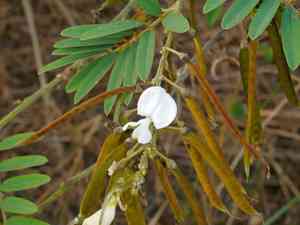
White tephrosia (Tephrosia candida)
Also known as: White hoarypea, White Tephrosia
Leucaena leucocephala is utilized in agroforestry to enhance soil fertility for cash crops. Despite its benefits, it has proliferated extensively and is deemed invasive in regions such as Peru, Samoa, and the Democratic Republic of the Congo. This plant is particularly noted for its nitrogen-fixing properties, which aid in soil enrichment.
In This Article
Attributes of White tephrosia
Lifespan
Perennial
Plant Type
Shrub
Plant Height
1 m to 3.5 m
Spread
3 m
Leaf Color
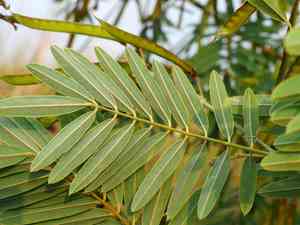
Green with a slightly silvery or whitish appearance due to fine hairs
Flower Size
15 cm to 20 cm
Flower Color
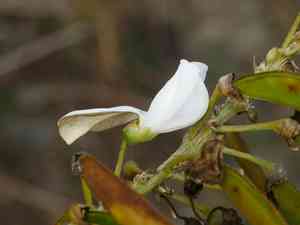
White
Images of White tephrosia
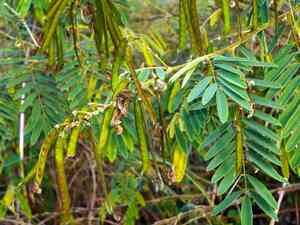
Quickly Identify White tephrosia
1
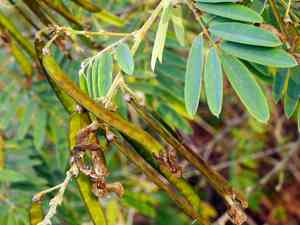
Look for a shrub or small tree with pinnate leaves and white flowers. The flowers are typically clustered, and the leaves are covered in fine hairs giving them a fuzzy appearance.
Scientific Classification of White tephrosia
Phylum
Vascular plants
Class
Dicotyledons
Order
Legumes, milkworts and allies
Family
Legume
Genus
Hoarypeas
Species
White tephrosia
Planting and Growing of White tephrosia
Care Difficulty
Easy
Watering Schedule
Every 2 days
Sunlight Requirements
Full sun
Sunshine Duration
4-8 hours
Ideal Temperature
68-86℉
Soil Type
Potting Mix, Peat Mix
Soil pH
6.5-7.5
Fertilizer Type
Balanced
Pruning Season
Spring, Summer
Pruning Area
Branches, Leaves
Pruning Frequency
2 times a year
Repotting Season
Spring
Pot Type
Plastic, Ceramic
 How to Water White tephrosia?
For Tephrosia candida, it is important to ensure that the soil is evenly moist but not waterlogged. This plant requires about 500 ml of water per session. It's essential to water until the liquid begins to seep out from the pot's drainage holes. This ensures that the water reaches the deeper roots without leaving excess moisture that could lead to root rot.
What are the symptoms of an underwatered White tephrosia?
›
What should I do if my White tephrosia is not getting enough water?
›
What are the symptoms of an overwatered White tephrosia?
›
How to save an overwatered White tephrosia?
›
 What Are the Sunlight Requirements for White tephrosia?
Tephrosia candida prefers full to partial sunlight, ensuring balanced growth and rich flowering. Ideal lighting enhances its appearance, vigor, and resilience against diseases.
What is the ideal lighting condition for Tephrosia candida?
›
How can I achieve the ideal lighting condition for Tephrosia candida?
›
What benefits does Tephrosia candida gain from ideal lighting conditions?
›
 What Is the Ideal Temperature Range for White tephrosia?
The ideal temperature range for Tephrosia candida is between 68°F and 86°F. This range ensures optimal growth and health, as it closely mimics the plant's natural subtropical habitat conditions. Keeping the temperature within this range helps maintain metabolic processes and aids in proper photosynthesis, encouraging healthy foliage and blooms.
 What Soil is Best for White tephrosia?
Tephrosia candida thrives in soil that has excellent drainage, ensuring water does not stagnate around its roots, which helps prevent root rot and promotes healthy plant growth. This plant flourishes in nutrient-rich soil, benefiting from the vital nutrients like nitrogen, phosphorous, and potassium, which support its robust leaf and flower development. Tephrosia candida prefers soil with moderate moisture, avoiding extremes of drought or waterlogging, thus maintaining a healthy root environment and vibrant foliage.
 How to Fertilize White tephrosia?
When considering the amount, apply approximately 100 grams of balanced NPK fertilizer lightly every couple of months in the growing season. This quantity will support healthy growth without overwhelming the plant's nutrient absorption capabilities.
 How to Prune White tephrosia?
Start by removing any dead or diseased branches. Cut them back to the base of the plant. Then, selectively trim any overgrown stems to maintain the plant’s natural shape. Prune back the tips of branches to encourage a bushier growth habit. This should be done gently to prevent over-pruning which can weaken the plant.
More About Pruning Techniques→
 How to Propagate White tephrosia plant?
1
Choose healthy, viable seeds for propagation. Inspect seeds carefully for any signs of damage or disease. Only select seeds that are uniform in size and color for best results in germination and growth.
2
Sow the Tephrosia candida seeds lightly on the surface of prepared soil in seed trays. Cover them with a thin layer of soil or vermiculite, and water gently to avoid washing seeds away. Ensure seeds are not buried too deep to improve germination rates.
3
Once sown, place the seed trays in a warm area with indirect sunlight. Regularly monitor moisture levels, avoiding both overwatering and allowing the soil to dry out completely. Seedlings typically emerge within a few weeks under favorable conditions.
 How to Repot White tephrosia plant?
1
Look for signs such as roots protruding from drainage holes or stunted growth. Tephrosia candida typically needs repotting when its roots are overcrowded, or if the plant is not thriving despite proper care. The best time to repot is during active growth seasons, Spring and Summer.
2
Select a pot that is 1-2 inches larger in diameter than the current one. Ensure it has ample drainage holes to prevent waterlogging. Opting for a slightly larger pot encourages root spread and provides space for growth, enhancing overall plant health.
3
Use a well-draining, sandy loam soil mix for optimal results. This type of soil mimics the plant's natural habitat, ensuring proper aeration and preventing root rot by allowing excess water to escape easily.
Learn More About White tephrosia Diseases
Anthracnose
Bacterial Leaf Spot
Bacterial Wilt
Chemical Injury
Crown Gall
Cyst Nematode
Damping-off
Downy Mildew
Drought Stress
Fusarium Wilt
Gray Mold
Leaf Curl
Leaf Spot
Mosaic
Nutrient Deficiency
Nutrient Toxicity
Powdery Mildew
Root Rot
Root-knot Nematode
Rusts
Sooty Mold
Spider Mites
Temperature Stress
Thrips Damage
White Mold



