How to Transplant Jewels of Opar?
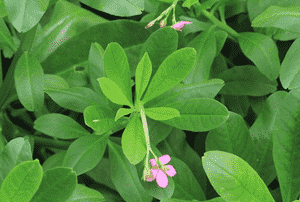
The ideal period to establish jewels of Opar in your garden is the season of renewed growth, generally occurring in spring. Select a spot with full sun or partial sun exposure to foster optimal development for jewels of Opar. When relocating, gently manage jewels of Opar's fragile root system.
Essential Preparations Before Relocating Jewels Of Opar
Optimal Timing for Moving Jewels Of Opar?
The ideal period for transplanting jewels of Opar is during the spring season, when mild temperatures and consistent moisture encourage robust root development. Selecting this prime window provides your jewels of Opar with the best possible start, leveraging the burst of spring growth. This timing ensures the plant has a full season to adapt and flourish, becoming a vibrant addition to your garden landscape. A helpful hint: begin this gardening task when the soil is warm, and nature is prepared to nurture your jewels of Opar in its new spot.
Recommended Spacing Between Jewels Of Opar Plants?
Begin by providing jewels of Opar ample room to expand. Aim for a separation of 1-2 feet (30-60 cm) between each specimen. This accounts for jewels of Opar's growth pattern and supports healthy development.
Preferred Soil Blend for Jewels Of Opar Transplantation?
Next, prepare the ground with well-draining soil rich in organic matter. A light application of foundational fertilizer, such as compost or aged manure, will supply the necessary nutrients for jewels of Opar to thrive.
Optimal Location for Your Jewels Of Opar?
Finally, while jewels of Opar can endure partial shade, for peak growth, endeavor to find a spot where your plant can receive full sunlight. This will help maintain jewels of Opar's health and vibrancy.
Tools Required Before Transplanting Jewels Of Opar
Gardening Gloves
To shield your hands from dirt and thorns while handling the jewels of Opar plant.
Trowel
For excavating the transplant hole and extracting the plant from its current position.
Organic Compost
To enrich the new planting site and stimulate jewels of Opar's growth.
Garden Hose or Watering Can
To supply the plant with hydration before and after the procedure.
Pruning Shears
For trimming any damaged or diseased foliage.
Wheelbarrow or Plant Pot
To transport the jewels of Opar plant from its original spot to the new location.
Method for Extracting Jewels Of Opar from the Soil?
Method for Extracting Jewels Of Opar from the Soil?
From Ground: Start by hydrating the jewels of Opar plant to facilitate its removal. Then, using a trowel, carefully dig around the plant, maintaining a generous distance from the stem to prevent root damage. Gradually work your trowel beneath the root ball, then gently lift the plant.From Pot: Again, water the plant an hour beforehand to loosen the roots. Invert the pot and support the jewels of Opar at its base, shaking gently. The plant should ideally slide out with the soil. If it resists, run a knife along the pot's inner edge to free it.From Seedling Tray: First, moisten the soil. Push from the tray's bottom to elevate the seedling. Handle seedlings by their leaves, not stems, and be delicate when lifting them out.
Step-by-Step Guide for Relocating Jewels Of Opar
Inspect
Examine the jewels of Opar plant for any indications of illness or damage. Use pruning shears to remove affected sections if necessary.
Prepare the Hole
Use your trowel to dig a hole that is twice as wide and as deep as the jewels of Opar plant's root ball. Then, add some compost to the hole.
Transplant
Place the plant into the hole. The top of the root ball should be level with the ground surface. Backfill around the plant with soil, gently firming it.
Water
Once the jewels of Opar is in place, thoroughly water the tallinum plant. The water helps settle the soil around the roots and minimize transplant shock.
Monitor
Keep a close watch on the plant for several days. Water as needed.
Post-Transplantation Care for Jewels Of Opar.
Watering
For the initial weeks after transplanting, maintain adequate moisture levels around the jewels of Opar plant, avoiding sogginess, to aid in root establishment.
Pruning
Remove any yellow or wilting leaves to allow the jewels of Opar to prioritize new growth.
Monitoring
Watch for signs of transplant shock, such as wilting and leaf loss. If these occur, ensure you are not overwatering and that the plant is not receiving excessive sun.
Addressing Common Issues During Jewels Of Opar Transplantation.
What is the optimal season to transplant jewels of Opar?
The prime time to move jewels of Opar is during S1-S3. This is when the plant experiences less stress and can recover quickly from transplant shock.
What spacing should be maintained between jewels of Opar plants?
To provide ample room for each jewels of Opar to grow, maintain a distance of 1-2 feet (30-60 cm) between each plant.
Why is my transplanted jewels of Opar wilting?
Wilting after transplanting is common and often temporary. Consistent watering helps jewels of Opar to recover. If it persists, consider factors like soil quality and sun exposure.
What type of soil is best for jewels of Opar after transplanting?
Jewels of Opar thrives in well-drained soil. Enriching the soil with organic matter can promote healthy growth and reduce the likelihood of transplant shock.
How deep should I plant jewels of Opar during transplantation?
Plant jewels of Opar at the same depth it was growing previously. Planting too deep can lead to stem rot, while too shallow may expose the roots.
How frequently should I water jewels of Opar after transplanting?
Water your jewels of Opar thoroughly after transplanting, then consistently keep the soil moist but not waterlogged. Adjust based on weather conditions and the plant's state.
Should I prune jewels of Opar before transplantation?
Pruning jewels of Opar before transplanting is not mandatory, but removing old and damaged parts can help the plant focus on re-establishing itself in its new location.
Can I transplant jewels of Opar in any season?
While jewels of Opar can technically be transplanted at any time, doing so between S1-S3 will likely yield the best results, allowing it to establish before extreme weather.
Do I need to add any special fertilizers after transplanting jewels of Opar?
When transplanting jewels of Opar, it can be beneficial to add a slow-release fertilizer to the planting hole. This ensures the plant's nutrient needs are met as it establishes.
Can I transplant jewels of Opar directly into full sun?
Jewels of Opar can tolerate sun, but after transplantation, it's best to provide some shade for a few weeks. Sudden exposure to full sunlight may cause stress to the newly moved plant.



