How to Transplant Crape jasmine?
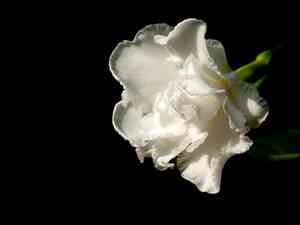
To achieve optimal results when relocating crape jasmine, target the period from mid to late spring. This timing is ideal as temperatures are mild and the soil is becoming warmer, which encourages robust root growth. Verify that the plant is situated in an area with ample light and excellent drainage. Exercising care with the root ball during the transplanting process is vital for a seamless adjustment.
What Preparations are Needed Before Transplanting Crape Jasmine?
What is the Ideal Time for Transplanting Crape Jasmine?
The optimal period to relocate your crape jasmine spans from mid-spring to late spring. This timing is perfect because the plant has emerged from dormancy and is poised for renewed growth. Moving it during this season allows the crape jasmine to acclimate to its new environment before the demanding heat of summer. Your crape jasmine will reward your careful timing with vigorous development and abundant blooms!
How Much Space Should You Leave Between Crape Jasmine Plants?
When moving crape jasmine, ensure adequate room for robust development. An optimal spacing would be approximately 6-8 feet (1.8-2.4 meters) apart, allowing the plant to flourish and display its beautiful flowers.
What is the Best Soil Mix for Crape Jasmine Transplanting?
For crape jasmine, utilize a well-draining, humus-rich soil that retains moisture. To give your plant a strong start, incorporate a balanced, slow-release fertilizer during soil preparation. This will nourish the roots and aid in their establishment.
Where Should You Relocate Your Crape Jasmine?
Choose a location that receives partial shade for transplanting your crape jasmine, such as an area with filtered sunlight or morning sun. This will ensure the plant gets sufficient light without being overwhelmed by intense heat or direct sun exposure.
What Equipments Should You Prepare Before Transplantation Crape Jasmine?
Gardening Gloves
To safeguard your hands while handling soil and plants.
Shovel or Spade
For excavating holes in the ground and extracting the crape jasmine plant from its initial spot.
Trowel
For digging smaller holes and smoothing the soil around the newly placed plant.
Watering Can or Hose
To hydrate the crape jasmine plant both before and after its relocation.
Organic Compost
To supply the plant with nutrients and assist in its establishment at its new site.
Mulch
To help maintain moisture post-transplant and inhibit weed growth.
Sturdy Stakes
To offer support for the crape jasmine plant if it requires assistance to remain upright after being moved.
How Do You Remove Crape Jasmine from the Soil?
How Do You Remove Crape Jasmine from the Soil?
From Ground: First, water the crape jasmine plant to moisten the soil. Next, dig a wide trench around the plant using a shovel or spade, ensuring the plant's root ball stays intact. Carefully work the spade beneath the root ball to lift the plant from its original position.From Pot: Water the crape jasmine plant and gently tap the pot's sides to loosen the soil and root ball. While supporting the plant's base, slowly slide the root ball out of the pot, taking care not to harm the roots.From Seedling Tray: Water the tray to dampen the soil surrounding the seedlings. Use a small trowel or your fingers to carefully lift each crape jasmine seedling from the tray, making sure to keep some soil around the roots to prevent damage.
Step-by-Step Guide for Transplanting Crape Jasmine
Preparation
Prepare the new planting site by digging a hole twice as wide and as deep as the crape jasmine plant's root ball. Fill the hole with a mixture of native soil and organic compost.
Placement
Gently position the crape jasmine plant in the center of the hole, ensuring the top of the root ball is level with the surrounding ground.
Filling
Carefully backfill the hole with the soil-compost mixture, firming it around the plant to eliminate any air pockets.
Watering
Gently water the newly transplanted crape jasmine plant, saturating the soil around it to help it settle.
Mulching
Apply a layer of mulch around the plant's perimeter, but not directly touching the base, to help retain soil moisture and suppress weed growth.
Staking (optional)
If the crape jasmine plant needs support, insert a stake into the ground near the plant and gently tie the stem to the stake using soft twine or fabric.
How Do You Care For Crape Jasmine After Transplanting?
Watering
Keep the soil around the crape jasmine consistently moist, but not waterlogged, for the initial weeks post-transplant to aid in strong root establishment.
Inspection
Regularly check the crape jasmine plant for any indications of pests or diseases, treating them promptly if detected.
Pruning
If necessary, trim the crape jasmine plant to maintain its overall form and encourage new growth.
Fertilizing
Once the crape jasmine has settled into its new location, incorporate a balanced, slow-release fertilizer into the soil to support its development.
Support
Ensure that any supporting stakes remain in place and are secure, adjusting them as needed to prevent harm to the plant.
Troubleshooting Common Issues with Crape Jasmine Transplantation.
When is the best time to transplant crape jasmine?
The ideal period to transplant crape jasmine is from mid-spring to late spring when the weather is mild and the soil is workable.
How far apart should I space crape jasmine when planting?
Allow a healthy 6 to 8 feet (approximately 1.8 to 2.4 meters) between each crape jasmine to ensure optimal growth and spread.
What type of soil should be used for transplanting crape jasmine?
Crape jasmine prefers well-drained yet moist soil. We suggest a blend of topsoil, compost, and a small amount of sand for successful transplantation.
What size should the planting hole for crape jasmine be?
The hole should be roughly twice as wide and deep as the root ball of your crape jasmine. This allows the roots to spread comfortably.
How much water is needed after transplanting crape jasmine?
Crape jasmine dislikes being waterlogged. Water it thoroughly after transplanting, then maintain moderate watering, ensuring the soil stays moist but not saturated.
What if the crape jasmine's leaves turn yellow after transplanting?
Yellowing leaves might signal overwatering or transplant shock. Reduce watering and ensure the crape jasmine is not exposed to intense sunlight.
How often should I fertilize crape jasmine after transplantation?
We recommend using a slow-release fertilizer and feeding your crape jasmine once in the initial weeks after transplantation, then every three months thereafter for optimal growth.
What to do if my transplanted crape jasmine is not growing?
Ensure that crape jasmine receives sufficient sunlight, water, and nutrients. If these conditions are met, the problem might be with the soil or root damage during transplantation.
Should I prune crape jasmine after transplanting?
You can lightly prune crape jasmine to maintain its shape after transplanting, but heavy pruning should be avoided as it may stress the plant.
How can I protect transplanted crape jasmine from pests and diseases?
A proactive approach is best. Use neem oil or insecticidal soap sprays, and periodically inspect your crape jasmine for signs of pests or diseases, removing affected parts immediately.



