
Crape jasmine (Tabernaemontana divaricata)
Also known as: Pinwheelflower, East india rosebay, Paper gardenia
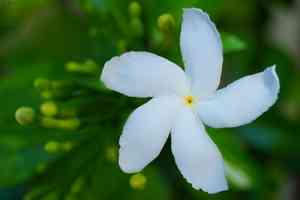
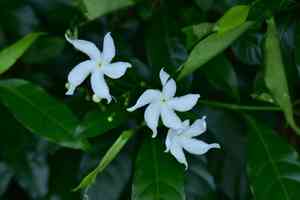
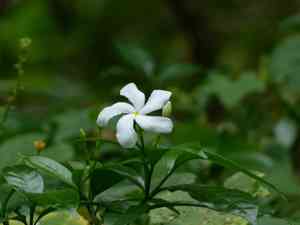
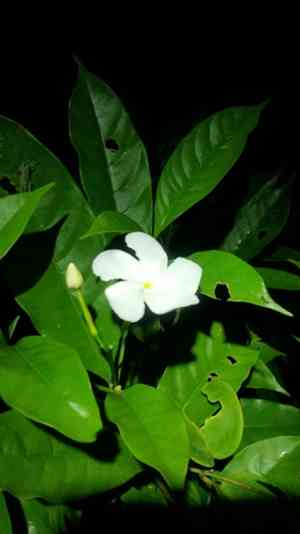
Crape jasmine (Tabernaemontana divaricata) is an evergreen shrub that can reach up to 2.5 meters in height. It features dark green, glossy leaves and produces white, pinwheel-shaped flowers with a delightful, carnation-like fragrance throughout the year. This plant is easy to cultivate in conditions ranging from light shade to full sun.
In landscaping, Crape jasmine is often used as an attractive backdrop or natural hedge, adding both aesthetic appeal and fragrance to gardens. Its low-maintenance nature and year-round blooming make it a popular choice for gardeners.
Attributes of Crape jasmine
Images of Crape jasmine
Quickly Identify Crape jasmine
Scientific Classification of Crape jasmine
Planting and Growing of Crape jasmine
 How to Water Crape jasmine?
 What Are the Sunlight Requirements for Crape jasmine?
 What Is the Ideal Temperature Range for Crape jasmine?
 What Soil is Best for Crape jasmine?
 How to Fertilize Crape jasmine?
 How to Prune Crape jasmine?
 How to Propagate Crape jasmine plant?
 How to Repot Crape jasmine plant?
Toxicity of Crape jasmine
Is Crape jasmine toxic to cat?
Crape jasmine presents a moderate risk of toxicity to felines. When a cat ingests any portion of the crape jasmine plant, it may display symptoms indicative of poisoning. These symptoms can vary and include physical discomfort or signs of illness, necessitating urgent veterinary care. As all sections of crape jasmine are deemed toxic, it is vital for cat owners to restrict their pets' access to this plant. In the event that a cat consumes crape jasmine, a swift trip to a veterinary clinic is critical for the pet's well-being and safety.
Is Crape jasmine toxic to dog?
The plant species known as crape jasmine is categorized as having moderate toxicity for dogs. Any ingestion of this plant, as every part of it is toxic, can lead to poisoning in dogs. Following the consumption of crape jasmine, symptoms in dogs may include vomiting, diarrhea, weakness, or more severe indicators, depending on the quantity consumed. Therefore, it is vital for dog owners to restrict access to crape jasmine and to keep a close watch on their pets for any potential accidental ingestion. If there is a suspicion that a dog has been poisoned by crape jasmine, it is critical to seek immediate veterinary attention to secure the best possible outcome.



