How to Transplant Java apple?
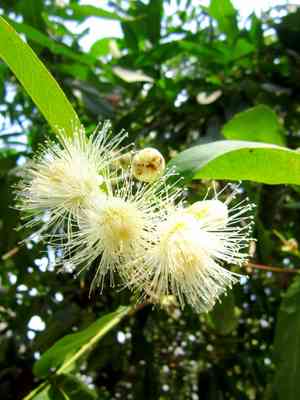
Java apple flourishes most effectively after transplanting during the height of summer's heat. Select a bright location featuring soil that drains efficiently. Carefully introduce java apple to its new environment to prevent stress, facilitating a smooth adjustment.
What Preparations are Needed Before Transplanting Java Apple?
What is the Ideal Time for Transplanting Java Apple?
The optimal period for moving java apple is during the height of summer to its later stages. This timing capitalizes on the warm, consistent weather conditions favorable for root development. Relocating java apple during these warmer months allows it to adapt and thrive in its new setting, fully utilizing summer's vitality. This strategic timing ensures java apple receives ample sunlight and warmth, promoting robust growth and increasing its chances for a successful transition.
How Much Space Should You Leave Between Java Apple Plants?
Let's begin with spacing for java apple. Aim for approximately 5-6 feet (1.5-1.8 meters) between each plant. This generous spacing helps them receive sufficient light and develop properly. It's a considerable distance, but they will benefit greatly from it!
What is the Best Soil Mix for Java Apple Transplanting?
Preparing the soil for java apple is crucial. Seek a well-draining soil mixture – excessive moisture can harm the roots. A suitable option is loamy soil, enriched with organic compost, serving as your foundational fertilizer. It supplies essential nutrients and enhances soil structure.
Where Should You Relocate Your Java Apple?
Finally, select a sunny location for java apple. These plants prefer full sun (at least 6 hours daily) for improved growth. However, they can also endure partial shade. Expert tip: If you are in a hot region, choosing a spot with some afternoon shade is also a wise decision.
What Equipments Should You Prepare Before Transplantation Java Apple?
Gardening Gloves
To safeguard your hands while handling soil and the plant.
Shovel
To excavate the plant's root ball from its original spot, and to place it in the new location.
Trowel
For more precise digging around the roots if the plant is smaller.
Pruners
To trim away damaged or overgrown roots.
Wheelbarrow
To move the excavated plant from its old position to the new one.
Gardening Hose or Watering Can
For moistening the soil before and after the transplanting process.
Mulch
To spread over the planted area to keep roots cool and maintain soil moisture.
Stake and Gardening Twine
To support and stabilize the newly transplanted plant if necessary.
How Do You Remove Java Apple from the Soil?
How Do You Remove Java Apple from the Soil?
From Ground: Start by watering the java apple plant to slightly moisten the soil. Dig a wide circle around the plant using a shovel, ensuring the root ball remains intact. Then, work the shovel beneath the root ball and carefully lift the plant.From Pot: If the java apple plant is in a pot, water it appropriately and begin by gently tilting the plant, supporting the base with your hand. If the plant remains stuck, you might need to tap the rim on the ground or carefully slide a trowel along the inside edge of the pot to loosen the roots.From Seedling Tray: If transplanting seedlings, thoroughly dampen the soil before you begin. Then, gently ease the seedling out from its cell, being careful not to pull on the stem. Hold the seedling by its leaves as pulling it by the stems can cause damage.
Step-by-Step Guide for Transplanting Java Apple
Preparation
Fill the wheelbarrow with water and allow the java apple plant's roots to soak for a few minutes prior to planting.
Digging the Hole
Excavate a hole twice as wide as the plant's root ball and approximately the same depth it was previously grown. The plant's base should be level with the hole's surface.
Placing the Plant
Lower the plant into the hole, ensuring it is upright and centered. Backfill with soil to secure the plant in place.
Soil Addition
Fill the remainder of the hole with soil, firming it as you proceed. Be cautious not to compact the soil too tightly; you want to allow roots to extend into the surrounding soil.
Watering
Water the plant thoroughly to settle the surrounding ground around the root ball.
Mulching
After the water has fully absorbed, spread an even layer of mulch around the base.
How Do You Care For Java Apple After Transplanting?
Watering
For java apple, it's crucial to keep the soil moist – but not waterlogged – as it establishes. Excessive water can lead to root rot. Establish a watering schedule and adjust as needed.
Supporting
If the newly transplanted java apple is large, it may require support. Use a sturdy stake and some gardening twine to help keep it upright until it gains strength.
Monitoring
Keep a close watch on the java apple's development. Yellowing or wilting leaves could indicate stress, and you might need to modify your care routine accordingly.
Troubleshooting Common Issues with Java Apple Transplantation.
What's the optimal season to transplant java apple?
The best time to transplant java apple is during S5-S6, a period offering ideal climatic conditions for the plant's growth.
What's the ideal spacing for java apple after transplantation?
It's recommended to maintain a distance of about 5-6 feet (1.5-1.8 meters) between each java apple plant to provide ample room for development.
How to prepare the soil for java apple transplantation?
Before transplanting, enrich the soil with a generous amount of organic compost. Ensure the soil drains well as java apple cannot thrive in waterlogged conditions.
How to water java apple after transplantation?
Java apple requires consistent moisture, but not overwatering. Water it deeply immediately after transplanting, and keep the soil moderately moist thereafter.
What's the process for transplanting java apple safely?
First, dig a hole that is twice as wide and the same depth as the root-ball of java apple. Position the plant in the center, gently backfill, and water thoroughly.
How much sunlight does a newly transplanted java apple need?
Java apple benefits from full sun to partial shade. After transplanting, ensure it receives at least six hours of sunlight daily for healthy growth.
Do I need to stake my transplanted java apple?
If java apple is young or the area is windy, staking can be beneficial. Ensure it's not done too tightly to allow the plant room to grow and breathe.
What if my transplanted java apple shows signs of stress?
If java apple experiences transplant shock, prune back the plant by up to one-third. This reduces the plant's demand for water and nutrients while it establishes new roots.
Do I need to fertilize java apple after transplantation? If so, what kind of fertilizer?
Yes, fertilizing will stimulate growth. Use a slow-release, balanced fertilizer (10-10-10) to provide a steady supply of nutrients to the newly transplanted java apple.
How to care for java apple during winters post-transplantation?
If temperatures drop significantly, protect java apple with a layer of mulch around its base. This will conserve moisture and keep the roots warm.



