How to Transplant Fine-leaf pondweed?
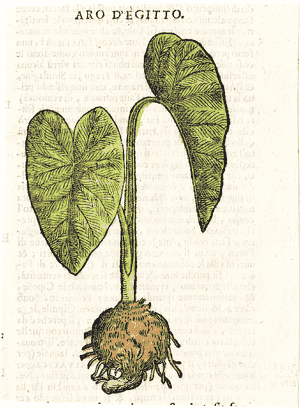
Fine-leaf pondweed flourishes optimally when relocated from early to late spring or early to late winter. Select a brightly lit spot featuring tranquil, shallow aquatic environments. Provide adequate nourishment and steer clear of heavily trafficked zones to foster robust development.
What Preparations are Needed Before Transplanting Fine-leaf Pondweed?
What is the Ideal Time for Transplanting Fine-leaf Pondweed?
The best time to move fine-leaf pondweed is from early to late spring or during early to late winter. These periods provide optimal soil conditions and moisture, ensuring successful root establishment. Transplanting during these seasons maximizes growth potential and minimizes transplant shock, fostering a healthier, more robust perennial.
How Much Space Should You Leave Between Fine-leaf Pondweed Plants?
When relocating fine-leaf pondweed, ensure plants are spaced approximately 12-18 inches (30-45 cm) apart. This provides ample room for growth without competition for nutrients and sunlight.
What is the Best Soil Mix for Fine-leaf Pondweed Transplanting?
For fine-leaf pondweed, prepare the soil with a blend of loam and sand, ensuring proper drainage. Incorporating a slow-release, balanced fertilizer (such as 10-10-10) at the base will give the plants a strong start.
Where Should You Relocate Your Fine-leaf Pondweed?
Select a location with full sun to partial shade for fine-leaf pondweed. They prefer about 6 hours of daily sunlight to flourish and maintain their vibrant appearance.
What Equipments Should You Prepare Before Transplantation Fine-leaf Pondweed?
Gardening Gloves
To safeguard your hands while handling soil and plants.
Spade or Shovel
For excavating the plant and creating a new planting site.
Bucket or Container
To move the plant with its root ball intact.
Watering Can or Hose
For hydrating the plant before and after its relocation.
Mulch
To help retain moisture around the newly planted specimen.
Trowel
Useful for refining the new planting hole and managing smaller plants.
How Do You Remove Fine-leaf Pondweed from the Soil?
How Do You Remove Fine-leaf Pondweed from the Soil?
From Ground: First, water the fine-leaf pondweed to moisten the soil. Then, dig a wide trench around the plant using a spade or shovel, keeping the root ball intact. Carefully work the spade beneath the root ball to lift the plant from its original spot.From Pot: Water the fine-leaf pondweed thoroughly to aid soil release. Tilt the pot and gently tap its sides to loosen the soil. Slide the plant out by holding its base, being careful not to pull on the stems.From Seedling Tray: Water the seedling tray to make the soil easier to manage. Use a trowel or your fingers to gently loosen the soil around the roots. Carefully lift the fine-leaf pondweed seedlings by their base to prevent root damage.
Step-by-Step Guide for Transplanting Fine-leaf Pondweed
Preparation
Prepare the new planting location by digging a hole twice the size of the plant's root ball. Ensure the soil drains effectively.
Transferring Plant
Place the fine-leaf pondweed into the new hole at the same depth it was previously growing. Gently backfill around the roots with soil, pressing lightly to eliminate air pockets.
Watering
Provide the fine-leaf pondweed with a thorough watering to help settle the soil around the roots and lessen transplant shock.
Mulching
Apply a layer of mulch around the base of the fine-leaf pondweed to conserve moisture and regulate soil temperature.
How Do You Care For Fine-leaf Pondweed After Transplanting?
Watering
Keep the soil around the fine-leaf pondweed consistently moist, but not waterlogged, for the initial weeks post-transplant to encourage strong root development.
Monitoring
Regularly inspect the fine-leaf pondweed for any indications of stress, such as wilting or yellowing leaves, and adjust care as necessary.
Protection
Shield the fine-leaf pondweed from harsh weather conditions, like strong winds or heavy rain, which could disturb the newly transplanted specimen.
Weeding
Maintain the area around the fine-leaf pondweed free of weeds to reduce competition for nutrients and water.
Troubleshooting Common Issues with Fine-leaf Pondweed Transplantation.
When is the best time to transplant fine-leaf pondweed?
Relocate fine-leaf pondweed from early spring to late spring or early winter to late winter.
How much space should be between each fine-leaf pondweed?
Ensure a spacing of 12-18 inches (30-45 cm) between each fine-leaf pondweed for optimal growth.
What kind of soil is best for fine-leaf pondweed?
Fine-leaf pondweed thrives in well-draining, nutrient-rich soil. Amend soil if needed.
How should I prepare the soil before transplanting fine-leaf pondweed?
Loosen the soil to a depth of 8 inches (20 cm) and remove any unwanted plants.
What should I do if fine-leaf pondweed plants start wilting after transplanting?
Keep the soil consistently moist, but not saturated, to aid fine-leaf pondweed recovery.
Why is my transplanted fine-leaf pondweed not thriving?
Ensure adequate spacing and correct planting depth; check for pests or diseases.
Should fine-leaf pondweed be fertilized after transplanting?
Applying a balanced, slow-release fertilizer once they are established can help fine-leaf pondweed flourish.
How deep should I plant fine-leaf pondweed during transplantation?
Plant fine-leaf pondweed at the same depth as they were in their original location or container.
Is it normal for fine-leaf pondweed to lose leaves after transplanting?
Yes, some leaf drop is normal due to transplant shock. Maintain ideal conditions to minimize stress.
How can I reduce transplant shock for fine-leaf pondweed?
Water thoroughly after transplanting and avoid disturbing roots. Maintain consistent moisture levels.



