How to Transplant Pepino?
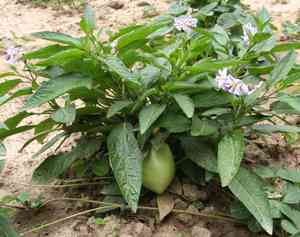
For pepino, it is advisable to relocate them once the threat of frost has diminished and the ground has mildly heated up – usually in springtime. Select a bright spot featuring soil that drains effectively. Should transplant stress be an issue, shield them with shade until they are firmly rooted.
What Preparations are Needed Before Transplanting Pepino?
What is the Ideal Time for Transplanting Pepino?
Relocate your pepino as the frost recedes, embracing the renewal period of early springâa time of revival. During this season, the warming earth and increasing daylight offer prime growing conditions for pepino. Moving your pepino at this time encourages robust root development before summer's heat, ensuring strong and vigorous growth. This is truly an excellent moment to transplant, as nature aids pepino's transition. A gentle reminder: your attention during this period leads to a thriving pepino with abundant future harvests!
How Much Space Should You Leave Between Pepino Plants?
When moving pepino, provide ample room for each to thrive. Ideally, they should be spaced approximately 3-4 feet (0.9-1.2 meters) apart. This promotes expansive growth and ensures efficient nutrient absorption.
What is the Best Soil Mix for Pepino Transplanting?
Preparing your soil is vital. Pepino prefers well-drained, fertile loam with a neutral to slightly acidic pH. Incorporate some compost and a quality base fertilizer, such as bone meal or copra meal, before planting for a nutrient-rich foundation.
Where Should You Relocate Your Pepino?
Select a sunny location to transplant your pepino as they flourish in full sunlight. However, they can endure partial shade in exceptionally hot regions. A sunny spot encourages healthy development and guarantees a plentiful yield.
What Equipments Should You Prepare Before Transplantation Pepino?
Gardening Gloves
To safeguard your hands from scrapes and cuts while handling the plant and soil.
Trowel
You will need this for excavating or turning over the earth when preparing to move the pepino.
Pruning Shears
These are essential for any precise cuts required on the plant's branches or roots.
Spade or Shovel
You'll utilize this to dig a cavity for the pepino in its new location.
Watering Can or Hose
This is necessary for hydrating the pepino both prior to and following its relocation.
Organic Compost
Having organic compost readily available helps enrich less fertile soil to prepare it for the pepino's successful establishment.
Mulch
This is important for covering the surrounding soil after transplanting to help maintain soil moisture.
How Do You Remove Pepino from the Soil?
How Do You Remove Pepino from the Soil?
From Ground: Initially, thoroughly water the pepino plant to moisten the soil, making extraction easier. Then, dig a trench around it with your shovel or spade, being careful not to disturb the root system. Gradually work the spade beneath the root ball and lift it out, avoiding damage to the roots.From Pot: Begin by watering the pepino to dampen the soil. Turn the pot sideways, place your hand over the soil surface, and gently pull the plant by the base of its stem. If it resists, tap the bottom of the pot to loosen the root ball.From Seedling Tray: Water the tray to lightly moisten the soil. With a small tool like a fork or spoon, carefully loosen the soil around the roots, then gently lift the pepino plant, cautiously holding it by the leaves to prevent harm.
Step-by-Step Guide for Transplanting Pepino
Preparation
Ensure you have fully prepared the new site for the pepino. The hole you excavate should be twice as wide and slightly deeper than the existing root mass. Add a layer of compost for nourishment.
Transplantation
Lower the pepino into the hole, positioning it so the root ball is level with the soil surface. Backfill the hole halfway with soil, then water thoroughly to eliminate any air pockets. Once the water has drained, fill the remainder of the hole with soil.
Final Touches
Use your hands to gently firm the soil around the base of the pepino. Do not compact it excessively, just enough to support the plant and keep it upright. Water thoroughly again.
How Do You Care For Pepino After Transplanting?
Watering
Ensure the pepino is watered thoroughly immediately after transplanting and continue to keep the soil hydrated but not oversaturated over the next few days.
Mulching
Using organic mulch, cover the area surrounding the pepino to prevent water loss and weeds.
Monitoring
Be sure to regularly monitor the pepino for any signs of shock or stress, like yellowing leaves or a leaning stem. It may require a little extra care until it is established.
Pruning
Trim off any damaged or dead leaves as it will help the pepino focus its energy on creating roots and new growth rather than sustaining old foliage.
Troubleshooting Common Issues with Pepino Transplantation.
What is the best timing to transplant pepino?
Transplant pepino during its optimal period, which is generally season 1 (S1). It ensures the plant's best growth after relocation.
How would I determine the appropriate spacing for pepino?
Maintain a distance of about 3-4 feet (approximately 90 to 120cm) between each pepino plant. This spacing provides them ample room to grow.
Is it necessary to water pepino before transplanting?
Yes, water pepino thoroughly a few hours before transplantation. It will keep the roots moist and make them adaptable to the new location.
How deep should the hole be when transplanting pepino?
The hole should be twice as wide and the same depth as the root ball of your pepino. It should be about 10 inches (25 cm) deep.
Should I enrich the soil before transplanting pepino?
Indeed! Add compost or well-rotted manure to the planting hole. This natural fertilizer improves soil quality and promotes pepino's healthy growth.
Is it okay if the roots of the pepino get damaged during transplantation?
Avoid damaging roots while transplanting pepino. If any are broken, remove them to prevent disease and ensure healthier growth.
Should I remove any leaves from pepino before transplanting?
Remove lower leaves of pepino to reduce water loss through transpiration. However, leave the top leaves intact for photosynthesis.
How should I treat pepino immediately after transplanting?
Water your pepino thoroughly right after transplanting. This will help establish the plant in the new location by closing any air pockets around the roots.
How will I know if my pepino is stressed after transplantation?
If your pepino shows wilted, yellowing leaves or slowed growth after transplanting, it might be under stress. Ensure proper care and give it time to adjust.
Is it a good idea to transplant pepino under direct sunlight?
Avoid transplanting pepino during the hottest part of the day to prevent thermal shock. Late afternoon or early morning is ideal for transplantation.



