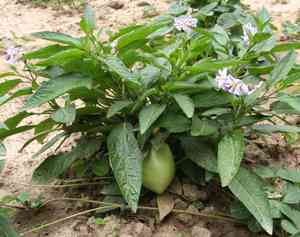
Pepino (Solanum muricatum)
Also known as: Pepino melon
The pepino melon, scientifically known as Solanum muricatum, is a domesticated evergreen shrub native to South America. This plant, no longer found in the wild, has been cultivated for its unique fruit, which has a flavor reminiscent of a blend between honeydew melon and cucumber. It's also commonly called melon pear.
In This Article
Attributes of Pepino
Lifespan
Perennial
Plant Type
Shrub
Plant Height
1.9 m
Spread
1 m
Leaf Color
Green
Flower Size
Approximately 2 cm
Flower Color
Purple White
Images of Pepino
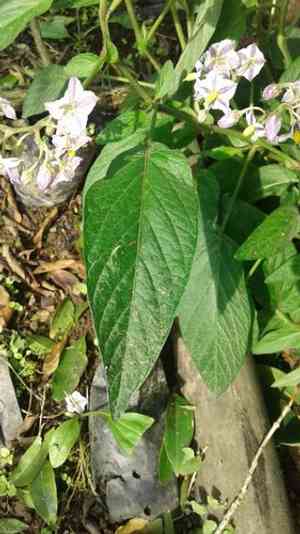
Quickly Identify Pepino
1
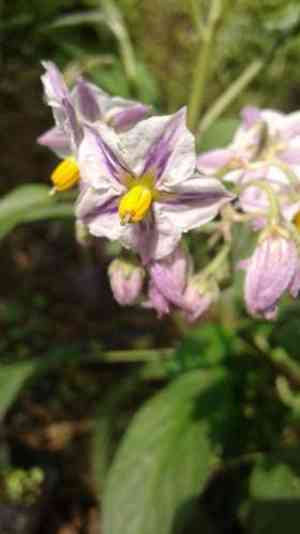
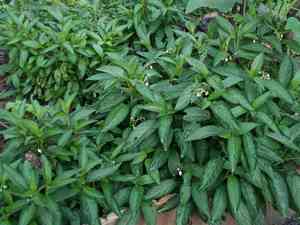
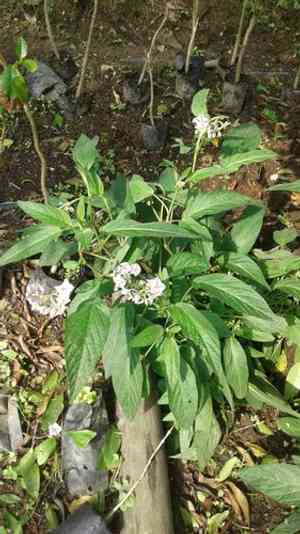
The plant can be identified by its small, pale green leaves and bright, purple-striped yellow fruit. The flowers are purple and resemble those of other Solanaceae family members such as tomatoes and potatoes.
Scientific Classification of Pepino
Phylum
Vascular plants
Class
Dicotyledons
Order
Solanales
Family
Nightshade
Genus
Nightshades
Species
Pepino
Planting and Growing of Pepino
Care Difficulty
Easy
Watering Schedule
Every 4 days
Sunlight Requirements
Full sun
Sunshine Duration
4-8 hours
Ideal Temperature
60-75℉
Soil Type
Potting Mix, Peat Mix
Soil pH
6-7.5
Fertilizer Type
Balanced
Pruning Season
Spring, Summer
Pruning Area
Branches, Leaves
Pruning Frequency
2 times a year
Repotting Season
Spring
Pot Type
Terracotta, Plastic
 How to Water Pepino?
Solanum muricatum, also known as the pepino melon, likes its soil to be consistently moist but not overly saturated. Each watering session should provide approximately 500 milliliters, ensuring the soil is moist without leaving standing water.
More About Watering Techniques→
What are the symptoms of an underwatered Pepino?
›
What should I do if my Pepino is not getting enough water?
›
What are the symptoms of an overwatered Pepino?
›
How to save an overwatered Pepino?
›
 What Are the Sunlight Requirements for Pepino?
Solanum muricatum thrives best under full to partial sun conditions, around 6 to 8 hours daily. Ideal lighting leads to healthy growth, robust leaf development, and maximized fruit production potential.
More About Sunlight Requirements Techniques→
What type of lighting is best for Solanum muricatum?
›
How can I optimize the light exposure for healthy growth?
›
What benefits can I expect from ideal lighting?
›
 What Is the Ideal Temperature Range for Pepino?
Solanum muricatum flourishes best in temperatures between 60°F and 75°F. This range facilitates optimal metabolic functions and promotes healthy growth and fruiting. Maintaining consistent temperatures within this specified range ensures robust plant health and maximizes yield.
 What Soil is Best for Pepino?
For proper growth, Solanum muricatum thrives in well-draining soils. This helps prevent root rot and ensures that the plant receives adequate oxygen, leading to healthier fruits. The plant benefits from nutrient-rich soil, which supports its rapid growth and enhances fruit production. Integrating organic matter, like compost, can boost soil fertility. Solanum muricatum prefers soil that retains some moisture but doesn't remain waterlogged. This balance helps maintain optimal hydration without suffocating the roots.
More About Soil→
 How to Fertilize Pepino?
For Solanum muricatum, use approximately 10-15 grams of balanced fertilizer per plant. The ideal N-P-K ratio should be around 10-10-10. Avoid over-fertilizing, as excessive nutrients can harm the plant.
More About Fertilizing Techniques→
 How to Prune Pepino?
Begin by inspecting the plant for any dead or damaged stems and remove them with clean, sharp shears. Focus on opening up the center of the plant to allow light penetration and air circulation. Trim back any overly vigorous growth or crossing branches to maintain an open and structured form. Finally, pinch off the tips of shoots to encourage lateral branching and increase overall fruit yield.
More About Pruning Techniques→
 How to Propagate Pepino plant?
1
Choose healthy and mature stems from the parent plant. Cuttings should be taken from non-flowering shoots to ensure maximum energy concentration in root production. Make cuts using sterilized tools to prevent infection.
2
Cuttings should be approximately 10-15 centimeters long. Remove the lower leaves to expose the nodes, which are potential rooting sites. Ensure that at least one node is buried in the soil when planting.
3
Plant the cutting in a well-draining soil mix. Ensure the environment is warm and humid, which is conducive to root growth. Covering the cutting with a plastic bag can help maintain humidity levels, but be sure to allow for ventilation to prevent mold.
 How to Repot Pepino plant?
1
Solanum muricatum, also known as the pepino melon, should be repotted when its roots become bound or the plant outgrows its container. Signs include roots popping out of drainage holes or reduced plant growth. Repotting in spring or summer, when the plant is actively growing, allows it to recover quickly.
2
Select a pot that is 2 inches larger in diameter than the current one. Ensure it has good drainage to prevent waterlogging. A breathable material like terracotta is ideal, as it helps regulate soil moisture and prevents root rot by allowing excess water to evaporate.
3
Opt for a well-draining potting mix with a mix of peat, perlite, and compost. This ensures adequate drainage and retains moisture without compacting, providing a nutrient-rich environment that supports healthy root development and plant growth.



