How to Transplant Bahama nightshade?
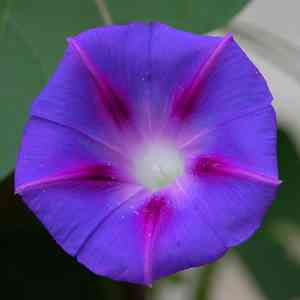
The optimal window for relocating bahama nightshade spans from the latter part of spring into the initial weeks of summer, allowing its root system to establish firmly amidst the mild, consistent climate. A location offering ample light and good drainage will ensure bahama nightshade flourishes; it's crucial to maintain steady soil moisture after the move.
What Preparations are Needed Before Transplanting Bahama Nightshade?
What is the Ideal Time for Transplanting Bahama Nightshade?
Choose the revitalizing period from late spring's warmth to early summer's vigor for relocating bahama nightshade. This timeframe capitalizes on active growth, promoting strong root development and adaptation. Moving bahama nightshade during this growth window ensures mild weather supports their delicate transition, with moderate temperatures and increasing daylight offering the perfect balance for robust establishment. You'll provide bahama nightshade the best start in their new location with nature's favorable climate, where they can flourish and enhance your garden with their lasting beauty.
How Much Space Should You Leave Between Bahama Nightshade Plants?
When preparing to rehome bahama nightshade, ensure each plant has ample room to thrive. A spacing of approximately 18-24 inches (45-60 cm) between individual plants is optimal. Remember, they will expand both vertically and horizontally!
What is the Best Soil Mix for Bahama Nightshade Transplanting?
Before bahama nightshade takes root, prepare a welcoming bed with soil that drains effectively. A small amount of compost or a balanced, slow-release fertilizer will provide bahama nightshade a gentle boost as it establishes new roots.
Where Should You Relocate Your Bahama Nightshade?
Select a sunny location for bahama nightshade, where it can receive at least 6 hours of direct sunlight daily. Some afternoon shade is also acceptableâbahama nightshade appreciates a blend of sun exposure and rest.
What Equipments Should You Prepare Before Transplantation Bahama Nightshade?
Gardening Gloves
To safeguard your hands while handling soil and plants.
Shovel or Spade
For excavating the bahama nightshade plant and preparing the new planting site.
Hand Trowel
Useful for more precise tasks or smaller specimens.
Watering Can or Garden Hose
To adequately hydrate the plant before and after relocation.
Pruning Shears
To trim any damaged roots or foliage prior to transplanting.
Wheelbarrow
To assist in moving the plant and soil.
Mulch
To aid in moisture retention and protect the bahama nightshade post-transplant.
How Do You Remove Bahama Nightshade from the Soil?
How Do You Remove Bahama Nightshade from the Soil?
From Ground: First, water the bahama nightshade plant to moisten the soil, simplifying excavation. Use a shovel or spade to dig a wide trench around the plant, taking care to keep the root ball intact. Gently slide the shovel beneath the root ball to carefully lift the plant from the ground.From Pot: Water the bahama nightshade plant to facilitate root ball removal. Turn the pot on its side and lightly tap the bottom or edges to loosen the plant. Slide the plant out, supporting the root ball with your hands to prevent it from breaking apart.From Seedling Tray: After watering the bahama nightshade, carefully separate individual plants using a hand trowel or your fingers. Gently loosen the soil around the seedling's roots and lift the plant, ensuring as much soil as possible remains attached to the roots.
Step-by-Step Guide for Transplanting Bahama Nightshade
Root Health Check
Inspect the bahama nightshade's root ball for any indications of disease or damage. Remove any broken or dead roots using pruning shears.
Soil Preparation
Use a shovel or spade to loosen the soil in the planting bed, incorporating compost or aged manure to enrich it if not already done.
Digging the Hole
Excavate a hole twice the width of the root ball and of equal depth, allowing the bahama nightshade to be planted at its original growing level.
Placing the Plant
Position the bahama nightshade in the center of the hole. Adjust its placement so the plant stands upright and at the correct depth.
Refilling the Hole
Backfill the hole with soil, gently but firmly pressing down around the root ball to eliminate air pockets.
Watering
Thoroughly water the bahama nightshade after planting to settle the soil and provide moisture for the roots.
Apply Mulch
Spread a layer of mulch around the plant, keeping it a few inches away from the stem to prevent potential rot and maintain soil moisture.
How Do You Care For Bahama Nightshade After Transplanting?
Monitoring Plant Health
Observe the bahama nightshade for signs of transplant shock, such as wilting or yellowing leaves, and respond appropriately.
Regular Watering
Provide water to the bahama nightshade consistently, adjusting based on weather conditions to maintain uniform soil moisture.
Support if Necessary
If the bahama nightshade is a taller variety or appears unstable, use stakes or ties for support until the root system is firmly established.
Pest and Disease Prevention
Periodically check for pests and diseases and take immediate action if any issues are detected.
Troubleshooting Common Issues with Bahama Nightshade Transplantation.
Why is my bahama nightshade wilting after transplanting?
Wilting can indicate transplant shock. Ensure careful handling and minimize root disturbance. Water thoroughly post-transplant.
How often should I water bahama nightshade post-transplant?
Water every few days, allowing the soil to dry slightly between waterings. Adjust based on environmental conditions.
Is there an optimal time to transplant bahama nightshade?
Yes, the ideal period to transplant bahama nightshade is during the warmth of late spring extending into early summer.
What spacing is necessary for bahama nightshade plants?
Providing each bahama nightshade ample room to grow is crucial. Aim for 18-24 inches (45-60 cm) between them.
Can bahama nightshade be transplanted on a hot day?
Transplanting during cooler parts of the day or on overcast days is best to avoid stress on bahama nightshade.
Should I apply fertilizer when transplanting bahama nightshade?
Wait 2-4 weeks after transplanting before applying a balanced fertilizer to allow bahama nightshade time to acclimate.
Do I need to prune bahama nightshade when transplanting?
Minor pruning of damaged or overly long roots can be beneficial, but avoid extensive pruning during transplant.
What kind of soil suits bahama nightshade best?
Well-draining soil rich in organic matter encourages bahama nightshade to flourish. Ensure proper soil preparation before transplanting.
How do I know if bahama nightshade is root-bound before transplanting?
Look for roots circling the pot. If dense, gently untangle them to promote outward growth.
Can I transplant bahama nightshade during rainy weather?
Continuous rain can complicate transplanting. Choose a dry period to prevent waterlogging and root rot.



