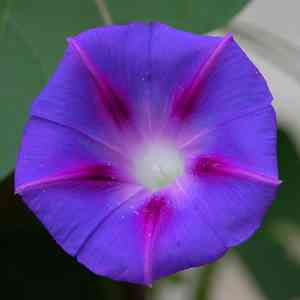
Bahama nightshade (Solanum bahamense)
Also known as: Daylily Rosy Fragrance, Granny Bush
The Bahama nightshade (Solanum bahamense) is a perennial shrub from the nightshade family. It has distinctive ovate leaves and clusters of small, star-shaped purple flowers that develop into striking red berries. This resilient plant prefers well-drained, sandy soils and is commonly found in coastal and scrubland environments, particularly in the Bahamas and southeastern U.S. regions. The shrub thrives in full sun and demonstrates a notable tolerance for salt and drought conditions, making it well-suited for island habitats. Its foliage and berries provide important resources for local wildlife.
In This Article
Attributes of Bahama nightshade
Lifespan
Perennial
Plant Type
Tree, Shrub
Plant Height
3 m
Spread
1.2 m to 1.8 m
Leaf Color
Green
Flower Size
15 cm
Flower Color
Yellow Purple Pink
Images of Bahama nightshade
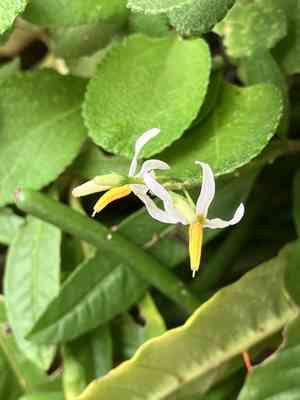
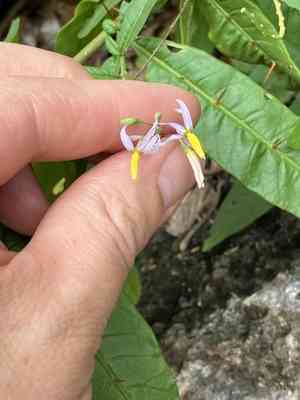
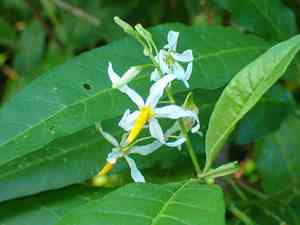
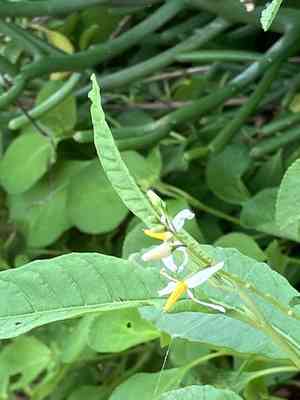
Quickly Identify Bahama nightshade
1
Solanum bahamense can be identified by its small, star-shaped flowers, which are typically white or violet. The leaves are ovate with a slightly wavy margin and a pointed tip. The fruit is a small berry that turns from green to yellowish-orange when ripe.
Scientific Classification of Bahama nightshade
Phylum
Vascular plants
Class
Dicotyledons
Order
Solanales
Family
Nightshade
Genus
Nightshades
Species
Bahama nightshade
Planting and Growing of Bahama nightshade
Care Difficulty
Easy
Watering Schedule
Every 2 days
Sunlight Requirements
Full sun
Sunshine Duration
4-8 hours
Ideal Temperature
70-85℉
Soil Type
Potting Mix, Peat Mix
Soil pH
6.5-7.5
Fertilizer Type
Balanced
Pruning Season
Spring, Summer
Pruning Area
Branches, Leaves
Pruning Frequency
2 times a year
Repotting Season
Spring
Pot Type
Plastic, Ceramic
 How to Water Bahama nightshade?
Solanum bahamense requires a moderate amount of water, around 250 ml each time. It's important to ensure that the soil is moist but not waterlogged. The soil should be allowed to dry slightly between waterings.
What are the symptoms of an underwatered Bahama nightshade?
›
What should I do if my Bahama nightshade is not getting enough water?
›
What are the symptoms of an overwatered Bahama nightshade?
›
How to save an overwatered Bahama nightshade?
›
 What Are the Sunlight Requirements for Bahama nightshade?
Solanum bahamense thrives in full sun with partial shade protecting it during the hottest part of the day. Adequate light enhances photosynthesis, promotes flowering, and supports robust growth, leading to a healthier, more resilient plant.
How much sunlight does Solanum bahamense need daily?
›
What if my garden has varying sun exposure?
›
How will ideal light conditions benefit Solanum bahamense?
›
 What Is the Ideal Temperature Range for Bahama nightshade?
Solanum bahamense thrives best within a temperature range of 70 to 85 degrees Fahrenheit. This range ensures optimal growth and flowering, as it is similar to the natural conditions of its native tropical and subtropical habitats. Maintaining temperatures within this range can help promote healthy foliage and increase the plant's resistance to diseases and pests.
 What Soil is Best for Bahama nightshade?
Solanum bahamense thrives in well-drained soil that prevents water from pooling around its roots. This helps in preventing root rot and ensures healthy growth by keeping the roots oxygenated. The plant flourishes in nutrient-rich soil, providing essential minerals needed for robust growth and prolific flowering. Mulching can aid in retaining nutrients and preventing them from leaching away. While it prefers well-drained soil, moderate moisture is vital. It should be watered adequately without making the soil soggy, maintaining necessary hydration for optimal plant health.
 How to Fertilize Bahama nightshade?
For Solanum bahamense, use a balanced fertilizer diluted to half strength. When using liquid fertilizer, mix approximately 1-2 teaspoons per gallon of water, ensuring it disperses evenly in the soil. This helps maintain healthy growth without risking nutrient burn.
 How to Prune Bahama nightshade?
Start by examining the plant closely to identify branches that are dead, diseased, or damaged. These should be pruned first to prevent the spread of disease and to improve the plant's overall health. Trim back the ends of branches to encourage bushier growth. This method helps in developing a denser and more aesthetically pleasing plant structure. Make cuts just above a leaf node to stimulate new growth. Keep the desired shape and size of Solanum bahamense by pruning back longer branches. Regularly shaping the plant will prevent it from becoming too leggy and will help it retain a compact form. After completing the pruning process, be sure to clean up all the clippings and remove them from the area. This helps prevent disease spread and keeps the plant's surroundings tidy.
More About Pruning Techniques→
 How to Propagate Bahama nightshade plant?
1
Collect seeds from ripe berries of Solanum bahamense. Allow them to dry on a paper towel for several days before storing or planting. This helps in ensuring the seeds don't spoil and are ready for germination.
2
Select healthy, non-flowering stems around 4-6 inches long. Remove the lower leaves to expose nodes, which will be inserted into the growing medium. This step is crucial for successful rooting.
3
Plant seeds in seedling trays filled with a light potting mix. Alternatively, insert the prepared cuttings into a moistened mix, ensuring at least one node is buried to encourage root formation.
 How to Repot Bahama nightshade plant?
1
Repot Solanum bahamense when you notice reduced growth, roots growing out of the drainage holes, or soil drying out too quickly. These signs suggest the plant has outgrown its current pot and requires more space to thrive.
2
Select a pot that is one size larger than the current one. Ensure it has adequate drainage holes to prevent water retention, which could lead to root rot. A slightly larger pot will give your Solanum bahamense room to grow while minimizing stress.
3
Opt for a well-draining potting mix to provide balanced moisture retention and aeration. This choice ensures that the roots receive adequate air circulation, reducing the risk of root diseases and promoting healthy plant growth.
Toxicity
Ingestion, Skin Contact
WARNING
The judgment on toxicity and danger is for reference only. We DO NOT GUARANTEE any accuracy of such judgment. Therefore, you SHALL NOT rely on such judgment. It is IMPORTANT TO SEEK PROFESSIONAL ADVICE in advance when necessary.
Learn More About Bahama nightshade Diseases
Anthracnose
Bacterial Leaf Spot
Bacterial Wilt
Damping-off
Downy Mildew
Drought Stress
Fusarium Wilt
Gray Mold
Late Blight
Leaf Curl
Leaf Spot
Mosaic
Nutrient Deficiency
Nutrient Toxicity
Powdery Mildew
Root Rot
Root-knot Nematode
Rusts
Sooty Mold
Spider Mites
Temperature Stress
Thrips Damage
White Mold



