How to Transplant Prairie dock?
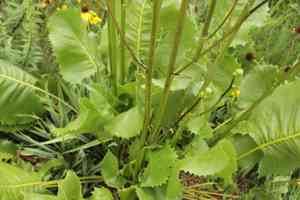
The most favorable period for transplanting prairie dock occurs as the revitalizing season commences, when warming ground offers ideal circumstances. Choose well-lit areas featuring profound, fertile soil. Meticulous attention during root placement guarantees the prairie dock's vigorous resurgence.
Preparations Required Before Relocating Prairie Dock
Optimal Timing for Prairie Dock Relocation?
The best time to move prairie dock is during the spring, a period marked by new growth and moderate weather. Transplanting prairie dock at this time allows roots to establish before summer heat, promoting robust development and improving its chances of survival and thriving. Utilize this season's transplanting advantages for a flourishing prairie dock!
Recommended Spacing Between Prairie Dock Plants?
Greetings, gardener! You'll want to prepare your garden by marking locations approximately 3-4 feet (0.9-1.2 meters) apart. This provides prairie dock ample room to grow and flourish without competing for resources.
Ideal Soil Blend for Prairie Dock Transplanting?
Your prairie dock will thrive in well-drained soil. For a nourishing start, amend the soil with a base fertilizer rich in organic matter – compost is an excellent choice. Ensure the base fertilizer is thoroughly mixed into the soil.
Where to Replant Your Prairie Dock?
Select a garden spot for prairie dock where it will receive full daily sun exposure. This means avoiding areas with shading structures or large trees that could obstruct sunlight. Trust me, your prairie dock will appreciate the sun!
Equipment to Prepare Before Transplanting Prairie Dock?
Gardening Gloves
To safeguard your hands while handling soil and the prairie dock plant.
Shovel or garden spade
For digging the new hole for prairie dock and extracting the plant from its original spot.
Wheelbarrow or container
To move the prairie dock plant without harming its roots.
Watering Can or Hose
To hydrate the plant before and after its relocation.
Organic Mulch
To regulate soil temperature and moisture around the newly transplanted prairie dock.
How to Extract Prairie Dock from the Soil?
How to Extract Prairie Dock from the Soil?
From Ground: Begin by watering the prairie dock plant to soften the soil. Dig a trench around the plant using a shovel or spade, being careful to preserve the plant's root ball. Slide your spade beneath the root ball to gently lift the plant from its initial position. Place the plant on a wheelbarrow or in a container for transport.From Pot: Water the prairie dock plant before removing it from its container. Gently tilt the pot sideways and carefully ease the plant out, ensuring you keep as much of the root ball and soil intact as possible. If the plant is stuck, run a knife along the pot's edge to loosen it. Avoid pulling the plant by its stem.From Seedling Tray: Ensure the prairie dock plant is well-watered prior to transplanting. Using a spoon or similar tool, carefully remove the seedling from the tray, maintaining as much of the root ball and soil as possible. Handle the seedling by its leaves, not the stem, to prevent damage.
Step-by-Step Guide for Relocating Prairie Dock
Preparation
When ready to transplant prairie dock, water the plant thoroughly one hour beforehand. This facilitates easier removal and lessens transplant shock.
Digging
Use a shovel or spade to excavate a hole in the new location. The hole should be twice as wide and the same depth as the prairie dock's root ball.
Transplanting
Position the prairie dock in the hole, ensuring the top of the root ball is level with the soil surface. Backfill the hole with soil, gently pressing down to eliminate any air pockets.
Watering
Water the prairie dock thoroughly. This aids in settling the soil around the roots.
Mulching
Apply a layer of organic mulch around the prairie dock, keeping it a few inches away from the stem to prevent rot.
Post-Transplant Care for Prairie Dock
Watering
Ensure the soil around the prairie dock remains consistently moist, but not waterlogged, especially during the initial weeks after transplanting for robust root establishment.
Mulching
Replenish the mulch layer whenever it becomes thin to help maintain soil moisture and temperature.
Inspecting
Regularly check the prairie dock for indicators of stress, such as wilting or yellowing leaves. If issues are observed, adjust the care routine as needed.
Pruning
Reducing the prairie dock's upper growth after transplanting can help balance root loss. This encourages new root development, aiding the plant in establishing faster in its new location. Perform this carefully, avoiding excessive cutting.
Addressing Common Prairie Dock Transplantation Issues
What is the ideal time of year to transplant prairie dock?
The best period to transplant prairie dock is during the early part of the growing season, typically between spring and early summer (S1-S3).
How much space should be between each prairie dock after transplanting?
Ensure a distance of approximately 3-4 feet (0.9-1.2 meters) between each prairie dock plant. This provides them ample room to grow and spread.
Can I transplant prairie dock if the plant is mature?
Transplanting is best performed when prairie dock is young. Mature plants may possess a complex root system that could be damaged during relocation, affecting survival rates.
What soil conditions does prairie dock prefer when transplanting?
For optimal growth of prairie dock, select well-draining soil. Additionally, a slightly acidic to neutral pH environment can enhance your plant's growth post-transplantation.
How do I prepare a transplant hole for prairie dock?
Dig a hole twice the size of prairie dock's root ball, allowing the roots plenty of space for expansion. Remember, the hole should be just as deep as the root ball itself.
What care should I provide to prairie dock post-transplantation?
After transplanting prairie dock, water it thoroughly for the first few weeks and monitor its growth. Also, a layer of mulch can help keep the root system cool and moist.
How deep should prairie dock's roots be buried when transplanting?
Prairie dock's roots should only be buried as deep as they were in the original pot. Avoid burying them too deeply as this can suffocate the plant and impede growth.
What happens if prairie dock is getting yellow leaves after transplantation?
Yellowing leaves may indicate stress. This can be due to water levels, sunlight, or shock from transplantation. Adjust care conditions accordingly, and the plant should recover over time.
Should I prune prairie dock before the transplantation?
Pruning prairie dock before transplantation is not essential. However, removing damaged or diseased parts can reduce stress on the plant and promote healthier growth post-transplant.
What's the optimum temperature for transplanting prairie dock?
Prairie dock prefers a temperature range between 65-75°F (18-24°C) for optimal growth. However, it can tolerate temperatures slightly outside of this range.



