
Prairie dock (Silphium terebinthinaceum)
Also known as: Smooth Prairie-Dock, Lucy braun's rosinweed, Dock-Rosinweed
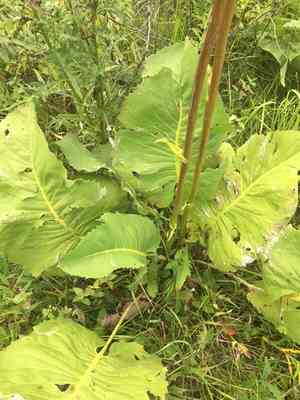
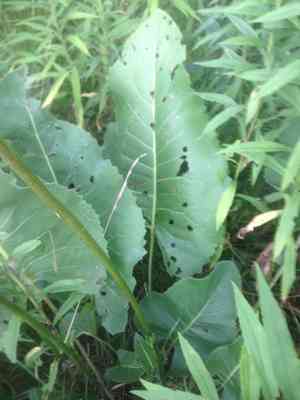
Prairie dock (Silphium terebinthinaceum) is a robust perennial reaching heights of up to 10 feet. Its signature large, paddle-shaped leaves have a leathery texture, which adds a unique element to garden landscapes. During mid-summer to early fall, it produces tall stalks adorned with bright yellow, daisy-like flowers.
**Key Features:**
1. **Height:** Up to 10 feet.
2. **Leaves:** Large, leathery, and paddle-shaped.
3. **Flowers:** Bright yellow, blooming on tall stalks in mid-summer to early fall.
4. **Habitat:** Thrives in full sun or partial shade.
**Advantages:**
1. **Pollinator Magnet:** Attracts a variety of bees and butterflies with its nectar.
2. **Bird-Friendly:** Seeds serve as a food source for birds like goldfinches.
3. **Drought Resistance:** Deep taproot system ensures minimal watering needs.
4. **Low Maintenance:** Hardy and resistant to pests and diseases.
5. **Soil Health:** Deep roots aid in soil stabilization and prevent erosion.
Prairie dock is ideal for gardeners seeking a tall, resilient plant that attracts wildlife and requires little upkeep.
Attributes of Prairie dock
Images of Prairie dock


Quickly Identify Prairie dock
Scientific Classification of Prairie dock
Planting and Growing of Prairie dock
 How to Water Prairie dock?
 What Are the Sunlight Requirements for Prairie dock?
 What Is the Ideal Temperature Range for Prairie dock?
 What Soil is Best for Prairie dock?
 How to Fertilize Prairie dock?
 How to Prune Prairie dock?
 How to Propagate Prairie dock plant?
 How to Repot Prairie dock plant?
Toxicity of Prairie dock
Is Prairie dock toxic to humans?
Prairie dock exhibits a low level of toxicity to humans. Every aspect of the plant is deemed toxic and ingestion can lead to poisoning. When ingested, individuals may experience a variety of symptoms that suggest mild poisoning. These symptoms may encompass gastrointestinal distress, including nausea, vomiting, and diarrhea. Furthermore, one may also suffer from headaches, dizziness, or mild skin irritation. Since prairie dock is not generally eaten as a food source, cases of poisoning are likely the result of accidental consumption. It is crucial for individuals to exercise caution and refrain from eating any components of prairie dock to avoid the emergence of these undesirable symptoms.
Is Prairie dock toxic to cat?
Prairie dock exhibits a low level of toxicity to felines. If cats inadvertently consume any portion of this plant, whether out of inquisitiveness or by accident, they may suffer from poisoning. Exposure to prairie dock can result in a range of general physical discomforts in cats, which may manifest as, though not exclusively limited to, gastrointestinal distress. Given the wide-ranging nature of the plant's toxic effects, it is essential for cat owners to keep all parts of prairie dock inaccessible to their pets. In the event of suspected ingestion, it is crucial for cat owners to promptly seek help from a veterinary facility to effectively address the cat's health concerns.
Is Prairie dock toxic to dog?
The prairie dock plant species is recognized for its mild toxicity towards dogs. Canines may unintentionally consume various parts of the prairie dock, which could lead to potential poisoning. If a dog ingests any section of the plant, as the entire plant is deemed toxic, symptoms that suggest poisoning may arise. Dog owners must remain watchful for indications like gastrointestinal distress or skin irritation, which can develop after exposure to prairie dock. Should a dog ingest prairie dock, it is crucial to seek prompt veterinary assistance to guarantee appropriate treatment and management of any possible toxic effects.



