How to Transplant Snowrose?
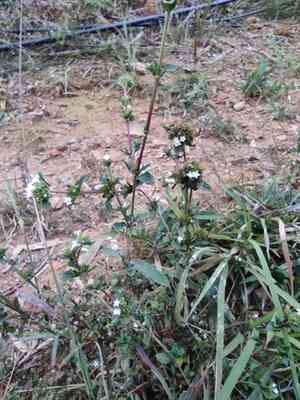
Relocate snowrose during the peak of early to mid-spring to capitalize on its rapid development, ensuring a sunny, well-drained spot. Bear in mind, a gentle approach fosters superior adaptation.
Preparations Required Before Relocating Snowrose
Optimal Period for Snowrose Relocation?
The prime transplanting period for snowrose falls within the pleasant warmth of mid to late spring. During this time, consistent temperatures and mild weather conditions create an ideal setting for snowrose to establish its root system without the stress of extreme heat or cold. Relocating snowrose at this point leverages its natural growth cycle, benefiting from longer daylight hours and increased rainfall, which promotes stronger development and helps ensure a flourishing plant. Embracing this favorable season prepares snowrose for vigorous growth, inviting a lush, vibrant presence in your garden.
Recommended Spacing Between Snowrose Plants?
When relocating snowrose, position the plants approximately 2-3 feet (0.6-0.9 meters) apart. This provides each plant ample room to expand and thrive without competing for essential resources.
Best Soil Blend for Snowrose Relocation?
Thoroughly prepare your garden soil by incorporating some well-rotted compost. Use a balanced fertilizer (10-10-10) during preparation for snowrose. They flourish in well-drained soil; loamy or sandy types are perfect.
Ideal New Location for Your Snowrose?
The best spot for snowrose is where it can receive full to partial sunlight. Be aware that excessive direct sunlight might scorch the foliage, so a location with filtered shade would be perfect.
Equipment Needed Before Relocating Snowrose
Gardening Gloves
To safeguard your hands while handling soil and snowrose.
Gardening Shovel or Spade
To carefully extract the snowrose from its original spot while preserving the root ball.
Watering Can
To moisten the soil during the removal and relocation process.
Pruning Shears
To trim snowrose's branches and roots if necessary.
Garden Trowel
To scoop and smooth soil during the planting procedure.
Mulch
To aid in retaining soil moisture after the relocation.
How to Extract Snowrose from the Ground?
How to Extract Snowrose from the Ground?
From the Ground: Initially, hydrate the snowrose to moisten the soil, making excavation easier. Then, carefully dig around the snowrose with a spade or shovel, ensuring the plant's root ball remains intact. Gradually insert the spade beneath the root ball to lift the snowrose from its position.From a Pot: Water the snowrose in its container to loosen the soil. Invert the pot while gently supporting the snowrose at its base. Allow the plant and its soil to slide out naturally.From a Seedling Tray: Lightly water your snowrose tray to prevent root damage. Gently remove the seedling by pushing it up from the bottom, holding the leaves to lift it, not the stem.
Step-by-Step Guide for Relocating Snowrose
Preparation
Before relocating, water the snowrose thoroughly, but avoid making the soil waterlogged. This will facilitate plant removal and keep its roots hydrated.
Digging the Hole
Using your garden shovel, excavate a hole that is twice the width of the snowrose's root ball and as deep as the root ball's height.
Planting
Position the snowrose in the center of the hole and begin backfilling with soil. Ensure the snowrose is not planted deeper than it was in its previous location.
Watering
Once planted, thoroughly water the snowrose to settle the soil around the root ball.
Mulching
To assist in retaining soil moisture, apply a thin layer of mulch around the base of the snowrose.
Post-Relocation Care for Snowrose
Watering
Ensure the snowrose receives regular watering after relocation, especially during dry spells or hot weather. The soil should remain moist, but be careful not to overwater, as this can lead to root rot.
Pruning
Pruning after relocation can encourage better branching. Remove any damaged or yellowed leaves to conserve the plant's energy for new growth.
Monitoring
Observe your snowrose closely for a few weeks. If the snowrose exhibits signs of yellowing leaves or stunted growth, it may be struggling with the relocation and require additional attention.
Resolving Common Issues with Snowrose Relocation.
When is the ideal time to relocate snowrose?
Relocating snowrose is best during the middle to late growing season. They thrive when moved between late spring and early summer.
What distance should I maintain between two snowrose during relocation?
Providing ample room is crucial for snowrose's development; aim for a spacing of 2-3 feet (60-90 centimeters) between each plant.
How deep should I dig the hole for relocating snowrose?
The hole's depth should ideally be twice the size of the root ball. This provides snowrose's roots sufficient space to grow and establish.
What's the best method to remove snowrose from its current spot?
Gently loosen the soil around snowrose's root ball using a trowel. Carefully lift it, ensuring minimal root damage.
How should I prepare the site for re-planting snowrose?
Enrich the site with organic compost or well-rotted manure. This will provide essential nutrients and ensure better growth for snowrose.
How often should I water snowrose after relocating it?
Water snowrose immediately after moving it. Afterward, keep the soil moist but ensure you're not overwatering. Adjust your watering based on weather conditions.
Do I need to mulch around snowrose after relocating it?
Yes, spreading a 2-3 inch (5-7.5 cm) layer of organic mulch around snowrose helps maintain moisture and regulate soil temperature. Avoid piling mulch directly against the stem.
How do I handle snowrose during transport?
Keep the pot by wrapping it in a plastic bag to prevent dehydration. Be gentle and avoid unnecessary shaking to minimize root shock.
Should I prune snowrose after relocating?
Pruning isn't necessary immediately after relocation. However, you may trim any damaged or dead branches after snowrose settles in its new place.
Can relocation cause shock in snowrose? What precautions should I take?
Relocation can cause shock. To reduce this, water snowrose thoroughly after planting, give it proper spacing, and ensure it's relocated at the correct time of year (mid to late growing season).



