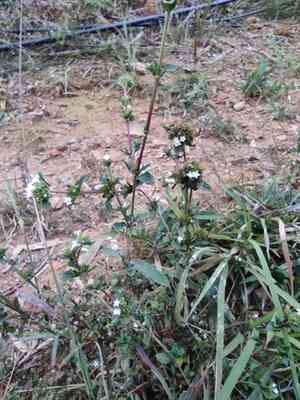
Snowrose (Serissa japonica)
Also known as: Tree of a thousand stars
Serissa japonica, known as the tree of a thousand stars, is an evergreen shrub indigenous to the tropical regions of Southeast Asia, particularly in China, India, and Japan. It is frequently grown as a bonsai due to its ornamental appeal.
In This Article
Attributes of Snowrose
Lifespan
Perennial
Plant Type
Shrub
Plant Height
45 cm to 60 cm
Spread
60 cm to 1.2 m
Leaf Color
Green
Flower Size
1 cm
Flower Color
White
Images of Snowrose
Quickly Identify Snowrose
1
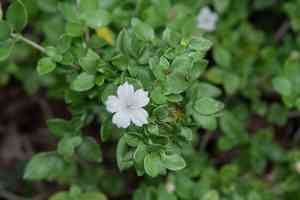
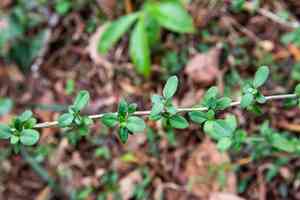
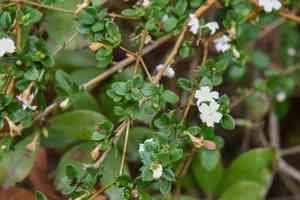
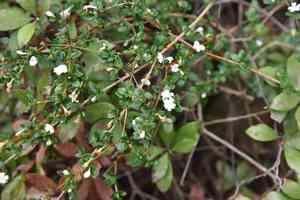
Serissa japonica can be identified by its small, oval leaves, which are about 1-2 cm long. The plant produces numerous small white to pale pink flowers, approximately 1 cm in diameter, commonly blooming from spring to autumn. The branches are thin and flexible, often giving the plant a graceful, slightly weeping appearance.
Scientific Classification of Snowrose
Phylum
Vascular plants
Class
Dicotyledons
Order
Gentians, dogbanes, madders, and allies
Family
Madder
Genus
Snowrose
Species
Snowrose
Planting and Growing of Snowrose
Care Difficulty
Hard
Watering Schedule
Every 8 days
Sunlight Requirements
Partial sun
Sunshine Duration
6-10 hours
Ideal Temperature
65-75℉
Soil Type
Potting Mix, Peat Mix
Soil pH
6.5-7.5
Fertilizer Type
Balanced
Pruning Season
Spring, Summer
Pruning Area
Branches, Leaves
Pruning Frequency
2 times a year
Repotting Season
Spring
Pot Type
Plastic, Ceramic
 How to Water Snowrose?
Serissa japonica requires a moderate amount of water. When you water, ensure that the entire soil bed is moistened but not saturated. The goal is to keep the soil lightly moist at all times, avoiding extremes of dryness and sogginess.
More About Watering Techniques→
What are the symptoms of an underwatered Snowrose?
›
What should I do if my Snowrose is not getting enough water?
›
What are the symptoms of an overwatered Snowrose?
›
How to save an overwatered Snowrose?
›
 What Are the Sunlight Requirements for Snowrose?
Partial sun is ideal for Serissa japonica, offering 4 to 6 hours of sunlight. This optimal light exposure ensures robust growth and maximal blooming potential without overwhelming the plant.
More About Sunlight Requirements Techniques→
What is the ideal lighting condition for Serissa japonica?
›
How can I achieve ideal lighting conditions for Serissa japonica?
›
What benefits does Serissa japonica gain from ideal lighting?
›
 What Is the Ideal Temperature Range for Snowrose?
For the ideal growth of Serissa japonica, maintaining a temperature range between 65°F and 75°F is most beneficial. This ensures the plant thrives, promoting optimal foliar development and robust root health, thus allowing it to flourish in most indoor environments.
 What Soil is Best for Snowrose?
Serissa japonica thrives in well-drained soil that prevents water from stagnating around its roots. Good drainage protects the roots from rotting and ensures that the plant receives adequate aeration, promoting vigorous growth and a healthy appearance. While the soil should be well-drained, it also needs to retain enough moisture to keep the plant hydrated without over-saturating. This balance is crucial to mimic the natural conditions Serissa japonica prefers, ensuring that the plant receives consistent moisture for optimal health. A nutrient-rich soil will support the lush growth of Serissa japonica. Providing essential nutrients enables the plant to produce its iconic flowers and maintain vibrant foliage, enhancing its ornamental value significantly.
More About Soil→
 How to Fertilize Snowrose?
For Serissa japonica, the fertilizer amount should be moderate. Use a diluted liquid fertilizer at half strength twice a month during the growing season. This prevents root burn and ensures the plant receives adequate nutrients without overwhelming it.
More About Fertilizing Techniques→
 How to Prune Snowrose?
Begin by visualizing the shape you desire for your Serissa japonica, a plant known for its delicate, starry flowers and variegated leaves. This helps guide your hand and ensure each cut enhances the plant aesthetically. Start with the tallest branches and trim above a node where a leaf meets the stem. This not only maintains the plant’s structure but encourages bushier growth. Gather sharp, sterilized pruning shears or scissors to minimize damage to the branches. Clean cuts heal faster, preventing potential infections. Always cut at a slant, which helps water runoff and reduces the risk of rot at the cut site. Inspect your plant for any dead or overgrown branches. Removing deadwood or overly dense areas can improve air circulation, reduce disease risk, and encourage light penetration, which is vital for the plant's health and flowering.
More About Pruning Techniques→
 How to Propagate Snowrose plant?
1
Choose healthy, semi-hardwood stems for cutting propagation, about 4-6 inches in length. Ensure the cuttings have several nodes, as these are the points where roots will form.
2
Remove the lower leaves from the cuttings to prevent rot. Dip the cut end into rooting hormone to stimulate quicker root growth and then plant it into a moist growing medium.
3
For seed propagation, plant the seeds in a well-draining potting mix. Ensure that the seeds are covered lightly with soil and kept in a warm, humid environment for optimal germination.
 How to Repot Snowrose plant?
1
Serissa japonica should be repotted when you notice it outgrowing its current pot, especially if roots start circling the pot's interior. Growth stagnation can also signal the need for repotting, as compacted soil might be stopping root expansion. Ideally, repot during spring or summer when the plant is actively growing to minimize stress.
2
When selecting a new pot for your Serissa japonica, ensure it is only one size larger than the current one. A pot with ample drainage holes is crucial as it prevents waterlogging, which could lead to root rot. The right-sized pot assures a balance between room for growth and maintaining appropriate moisture levels.
3
Use a well-draining, loamy soil mix rich in organic matter. This choice accommodates the plant's need for a soil that retains some moisture yet doesn't stay soggy. The right mix supports healthy root growth and prevents issues such as root rot, usually caused by consistently wet soil.
Learn More About Snowrose Diseases
Anthracnose
Bacterial Leaf Spot
Bacterial Soft Rot
Bacterial Wilt
Black Spot
Chemical Injury
Crown Gall
Damping-off
Drought Stress
Fusarium Wilt
Gray Mold
Leaf Curl
Leaf Spot
Mosaic
Nutrient Deficiency
Nutrient Toxicity
Powdery Mildew
Root Rot
Root-knot Nematode
Sooty Mold
Spider Mites
Temperature Stress
Thrips Damage



