How to Transplant Woolly senna?
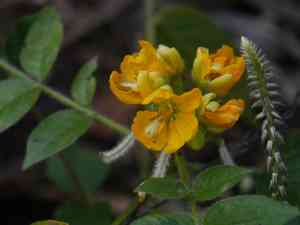
For woolly senna, the ideal period for relocation spans from early spring to mid-spring, providing excellent conditions for development. Select a bright spot and remember this advice: safeguard the root system during transfer to ensure successful integration.
What Preparations are Needed Before Transplanting Woolly Senna?
What is the Ideal Time for Transplanting Woolly Senna?
Move woolly senna from early spring's onset until summer's approach. This timeframe ensures the ground is warm and receptive, promoting robust root development. Utilizing this season's mild weather allows woolly senna to adjust and thrive, benefiting from balanced temperatures and increasing daylight. It's the optimal period for growth, where woolly senna can steadily mature before intense summer heat. A friendly reminder: This timing perfectly aligns with woolly senna's natural growth cycle, reducing plant stress and increasing your success!
How Much Space Should You Leave Between Woolly Senna Plants?
Hello, gardening enthusiast! Before relocating your woolly senna to their new spot, plan to provide ample room for each. Aim to space them approximately 24-36 inches apart, which is about 61-91 cm, to guarantee they have sufficient area to flourish.
What is the Best Soil Mix for Woolly Senna Transplanting?
For your woolly senna, envision preparing a comfortable bed. A well-draining soil rich in organic matter will make them most content. Prior to planting, incorporate a balanced, slow-release fertilizer to give them a strong beginning.
Where Should You Relocate Your Woolly Senna?
Your woolly senna enjoys soaking up the sun just as you do on a bright day! Select a sunny location that receives direct sunlight for at least 6-8 hours daily. This sun-drenched spot will help your woolly senna grow healthily and vigorously.
What Equipments Should You Prepare Before Transplantation Woolly Senna?
Gardening Gloves
To safeguard your hands while handling soil and plants.
Shovel or Spade
For excavating around and beneath the plant to carefully extract it from its current position.
Watering Can
To gently hydrate the woolly senna before and after relocation to lessen transplant shock.
Wheelbarrow
To move the woolly senna and soil to and from the new planting site without harming the root system.
Secateurs or Pruning Shears
To trim any damaged or excess parts of the woolly senna prior to transplanting.
How Do You Remove Woolly Senna from the Soil?
How Do You Remove Woolly Senna from the Soil?
From Ground: First, water the woolly senna plant to moisten the soil. Then, dig a wide trench around the plant using a shovel or spade, ensuring the plant's root ball remains intact. Carefully work the spade under the root ball to lift the plant from its original location.From Pot: Water the woolly senna thoroughly to make the roots more flexible and soil easier to dislodge. Tilt the pot to the side and gently tap the bottom to loosen the plant. Gradually ease the plant out, preserving the soil surrounding the roots.From Seedling Tray: Dampen the soil in the tray, then use a spoon or a small tool to gently lift the seedling from its compartment, taking care not to damage the delicate roots and soil block.
Step-by-Step Guide for Transplanting Woolly Senna
Preparing the New Site
Excavate a hole in the planting area that is twice as wide and equally deep as the woolly senna's root ball. Amend the removed soil if needed with compost to enhance its structure.
Root Pruning
Examine the woolly senna's roots and trim away any broken or excessively long roots with clean secateurs or pruning shears.
Placing the Plant
Position the woolly senna in the center of the hole at the same depth it was originally growing. Backfill around the root ball with the amended soil, gently tamping down to eliminate air pockets.
Final Watering
Water the woolly senna thoroughly immediately after planting to settle the soil and hydrate the roots. This also aids in removing any remaining air pockets.
How Do You Care For Woolly Senna After Transplanting?
Mulching
Apply a layer of organic mulch around the base of the woolly senna to help retain soil moisture and regulate temperature.
Pruning
Trim any remaining damaged or dead foliage to encourage new growth and help the woolly senna focus its energy on establishing new roots.
Regular Monitoring
Check the plant frequently for signs of stress, such as wilting or discolored leaves, and take appropriate action as needed.
Troubleshooting Common Issues with Woolly Senna Transplantation.
When is the best time to transplant woolly senna?
The optimal transplanting period for woolly senna occurs between early and late spring, when temperatures are mild.
How much space does woolly senna need when transplanting?
Space woolly senna at intervals of 24-36 inches (60-91 cm), allowing ample room for growth.
What soil conditions are ideal for transplanting woolly senna?
Ensure well-draining soil with moderate fertility to support woolly senna's root development.
How deep should the hole be for transplanting woolly senna?
Dig a hole twice as wide as the root ball and of equal depth to ensure proper establishment.
Can woolly senna be transplanted on a windy day?
Avoid transplanting woolly senna on windy days to prevent desiccation and ensure better acclimatization.
What watering regimen should follow transplanting woolly senna?
Provide consistent watering to keep the soil moist but not waterlogged, especially during the initial weeks.
Should I fertilize woolly senna immediately after transplanting?
Wait a few weeks before fertilizing to allow woolly senna to establish in its new location.
Can woolly senna tolerate transplanting in full sun?
Yes, woolly senna can be transplanted in full sun, but monitor moisture levels to prevent stress.
How to handle woolly senna's roots when transplanting?
Carefully untangle matted roots and spread them gently in the planting hole. Avoid excessive root disturbance.
Why is my transplanted woolly senna wilting?
Woolly senna may wilt due to transplant shock. Ensure proper watering, and avoid full sun until it shows recovery signs.



