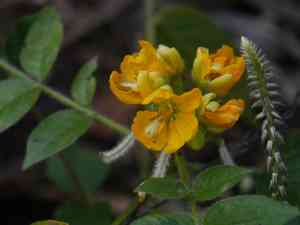
Woolly senna (Senna hirsuta)
Also known as: Stinking cassia
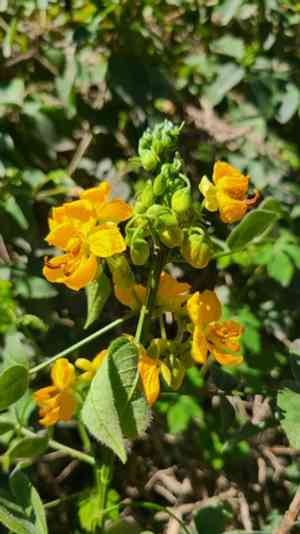
The Woolly senna (Senna hirsuta) is a legume known for its hairy foliage and striking yellow, butterfly-like flowers. It flourishes in sunlit, open areas and demonstrates adaptability by growing in diverse soil conditions. The shrub's seedpods are notably long and, upon drying, twist open to effectively scatter seeds, enhancing its ability to spread and endure across various environments.
In This Article
Attributes of Woolly senna
Lifespan
Perennial
Plant Type
Tree, Herb, Shrub
Plant Height
60 cm to 2.5 m
Spread
1 to 2 meters
Leaf Color
Green
Flower Size
2.5 cm to 4 cm
Flower Color
Yellow
Images of Woolly senna
Quickly Identify Woolly senna
1
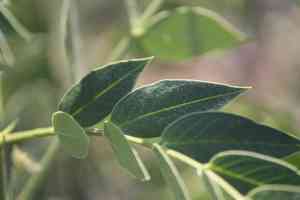
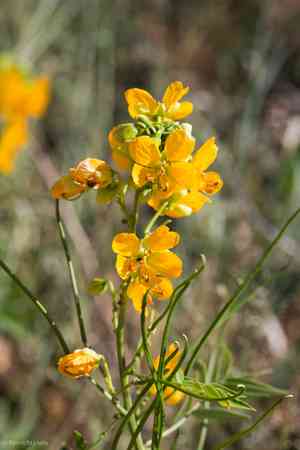
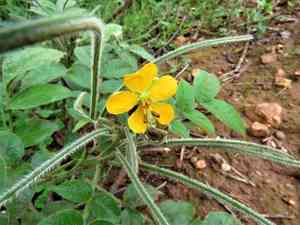
Senna hirsuta can be identified by its hairy stems and leaves, bright yellow flowers that are arranged in racemes, and flat, elongated seed pods.
Scientific Classification of Woolly senna
Phylum
Vascular plants
Class
Dicotyledons
Order
Legumes, milkworts and allies
Family
Legume
Genus
Sennas
Species
Woolly senna
Planting and Growing of Woolly senna
Care Difficulty
Easy
Watering Schedule
Every 2 days
Sunlight Requirements
Full sun
Sunshine Duration
4-8 hours
Ideal Temperature
75-85℉
Soil Type
Potting Mix, Peat Mix
Soil pH
6.5-7.5
Fertilizer Type
Balanced
Pruning Season
Spring, Summer
Pruning Area
Branches, Leaves
Pruning Frequency
2 times a year
Repotting Season
Spring
Pot Type
Terracotta, Plastic
 How to Water Woolly senna?
Senna hirsuta requires moderate watering. Generally, you should water the plant until the soil is evenly moist but not waterlogged. A good rule of thumb is to provide around 500 ml of water per session. Ensuring that excess water can drain away is essential to prevent root rot and other water-related issues.
What are the symptoms of an underwatered Woolly senna?
›
What should I do if my Woolly senna is not getting enough water?
›
What are the symptoms of an overwatered Woolly senna?
›
How to save an overwatered Woolly senna?
›
 What Are the Sunlight Requirements for Woolly senna?
Full sun or partial sun to full sun. Ideal lighting ensures vigorous growth, vibrant foliage coloration, and reduces the risk of pest infestation by keeping the plant's immune system robust.
What is the ideal location for Senna hirsuta?
›
How can you adjust if light is insufficient?
›
What happens if Senna hirsuta gets ideal lighting?
›
 What Is the Ideal Temperature Range for Woolly senna?
Senna hirsuta thrives best in temperatures ranging from 75°F to 85°F. This range supports optimal growth and encourages vigorous flowering. Maintaining plants within this temperature ensures they are less prone to stress and diseases.
 What Soil is Best for Woolly senna?
Senna hirsuta thrives best in well-drained soils. Ensuring that the soil doesn't retain excess moisture prevents root rot and allows roots to breathe properly, promoting healthier growth. Although quite adaptable, Senna hirsuta benefits from soils rich in organic matter. A nutrient-rich soil ensures the plant has access to essential minerals, enhancing its lush foliage and vibrant flowering. This plant prefers slightly acidic to neutral pH ranges. Maintaining pH between 6.5 and 7.5 optimizes nutrient uptake, ensuring robust and resilient plant health.
 How to Fertilize Woolly senna?
To ensure healthy growth of Senna hirsuta, use a balanced liquid fertilizer at a ½ strength solution. For slow-release fertilizers, apply 1 tablespoon for every foot of plant height, distributed evenly around the plant base.
 How to Prune Woolly senna?
Begin by using clean, sharp pruning shears to remove any dead or diseased branches from Senna hirsuta. Trim back overgrown or crossing branches to improve air circulation and allow better light penetration. Focus on maintaining a natural shape, cutting just above a leaf node to encourage new growth. For pruning Senna hirsuta, you will need sharp pruning shears, gloves to protect your hands from the sometimes sharp branches, and optional disinfectant for tools if you suspect disease. Having these tools ready ensures a smooth and efficient pruning process.
More About Pruning Techniques→
 How to Propagate Woolly senna plant?
1
Before sowing, Senna hirsuta seeds should be soaked in warm water for 24 hours to soften the seed coat. This treatment enhances germination rates by encouraging the seed to absorb moisture more effectively.
2
Plant the prepared seeds in a seed tray filled with potting mix. Sow seeds at a depth of approximately 1/4 inch, spacing them evenly to allow room for germination. Keep the soil consistently moist but not waterlogged.
3
Choose a healthy, disease-free Senna hirsuta plant. Using pruning shears, cut a 4-6 inch long stem segment just below a leaf node. Remove any leaves from the lower half to reduce water loss and focus the plant's energy on rooting.
 How to Repot Woolly senna plant?
1
Senna hirsuta should be repotted when the roots start to encircle the pot, indicating they need more space. Additionally, if the growth rate slows down unexpectedly, it's a good signal that the plant may need repotting. It's also wise to check with each new growing season.
2
Select a pot that is at least 2-3 inches wider in diameter than the current one. This allows for ample root growth and reduces the need for frequent repotting. Ensure the pot has drainage holes to prevent water logging, which could lead to root rot.
3
Choose a well-draining soil mix. A combination of peat, perlite, and garden soil is ideal. This mix provides the necessary drainage while retaining enough moisture to keep the roots hydrated, preventing soggy conditions that can damage the roots.
Learn More About Woolly senna Diseases
Anthracnose
Bacterial Leaf Spot
Bacterial Wilt
Chemical Injury
Crown Gall
Cyst Nematode
Damping-off
Drought Stress
Fusarium Wilt
Gray Mold
Leaf Curl
Leaf Spot
Mosaic
Nutrient Deficiency
Nutrient Toxicity
Powdery Mildew
Root Rot
Root-knot Nematode
Rusts
Sooty Mold
Spider Mites
Temperature Stress
Thrips Damage
White Mold



