How to Transplant Delicate spikemoss?
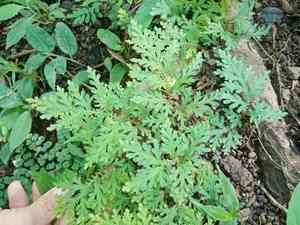
Selaginella delicatula flourishes most effectively when relocated during the revitalizing span from early to late spring. Select a site with partial shade and consistent moisture for peak development. Verify that the substrate drains efficiently; if necessary, incorporate organic matter to improve its composition.
What Preparations are Needed Before Transplanting Delicate Spikemoss?
What is the Ideal Time for Transplanting Delicate Spikemoss?
The optimal window for relocating delicate spikemoss spans from early to late spring. This period provides favorable soil conditions and moderate temperatures, promoting robust root development and growth. Transplanting at this time ensures delicate spikemoss can adapt and flourish prior to the intense summer heat.
How Much Space Should You Leave Between Delicate Spikemoss Plants?
When moving delicate spikemoss, position plants approximately 6-12 inches (15-30 cm) apart to allow ample room for growth without overcrowding. This spacing aids in proper air circulation and nutrient uptake from the soil.
What is the Best Soil Mix for Delicate Spikemoss Transplanting?
For delicate spikemoss, prepare a well-draining soil with a slightly acidic to neutral pH. Incorporate some composted organic material or a slow-release balanced fertilizer to supply essential nutrients for vigorous growth.
Where Should You Relocate Your Delicate Spikemoss?
Delicate spikemoss thrives best in a spot that receives partial to full shade. Avoid direct sunlight, as it can be too harsh and may cause the tender leaves to burn. Seek out a location that mimics their natural, shaded forest floor environment.
What Equipments Should You Prepare Before Transplantation Delicate Spikemoss?
Gardening Gloves
To safeguard your hands while handling soil and plants.
Small Spade or Trowel
For excavating around the plant in its original spot and creating a new hole for relocation.
Watering Can or Hose
To hydrate the plant before and after its move.
Pruners or Scissors
To trim any damaged roots or foliage.
Bucket or Container
To temporarily hold the plant if necessary during the transfer.
How Do You Remove Delicate Spikemoss from the Soil?
How Do You Remove Delicate Spikemoss from the Soil?
From Ground: First, moisten the delicate spikemoss plant to dampen the soil. Next, dig a wide trench around the plant using a small spade or trowel, ensuring the plant's root ball remains intact. Carefully work the spade beneath the root ball to lift the plant from its initial position.From Pot: Water the delicate spikemoss plant thoroughly. Gently tap the outside of the pot to loosen the soil. Tilt the pot sideways and carefully slide the plant out, supporting the root ball with your hand.From Seedling Tray: Ensure the soil in the tray is damp. Use a small trowel or your fingers to gently lift the seedlings, taking care not to harm the roots. Handle the young plants by their leaves to avoid crushing the fragile stems.
Step-by-Step Guide for Transplanting Delicate Spikemoss
Prepare New Location
Dig a hole in the new site that is slightly larger than the root ball of your delicate spikemoss, ensuring ample room for expansion.
Amend Soil (if needed)
If the new location's soil requires enhancement, mix in some compost or suitable soil amendments to improve quality and drainage.
Place Plant in Hole
Position the delicate spikemoss in the prepared hole, ensuring it is level with the surrounding soil and not planted too deeply.
Backfill Soil
Gently refill the hole around the root ball with soil, pressing lightly to remove air pockets but avoiding excessive compaction.
Water Thoroughly
Water the plant thoroughly after transplanting to help settle the soil and provide moisture to the roots.
How Do You Care For Delicate Spikemoss After Transplanting?
Watering
Keep the soil around the delicate spikemoss consistently moist, but not waterlogged, for the initial weeks post-transplant to aid in strong root establishment.
Mulching
Apply a thin layer of mulch around the plant's base to retain moisture and regulate soil temperature.
Monitoring
Regularly inspect the plant for signs of stress, such as wilting or yellowing leaves, and adjust watering as necessary.
Support
If the delicate spikemoss appears unstable or at risk of falling over, use small stakes or supports to help it remain upright during the initial establishment phase.
Troubleshooting Common Issues with Delicate Spikemoss Transplantation.
When is the ideal time to transplant delicate spikemoss?
Early to late spring is optimal for relocating delicate spikemoss, allowing for best growth and recovery.
How should I prepare the new transplant site for delicate spikemoss?
Ensure well-draining soil with added compost. Space plants 6-12 inches (15-30 cm) apart.
How do I minimize transplant shock for delicate spikemoss?
Water the plant thoroughly before and after moving. Keep roots moist but not saturated.
What is the best way to dig up delicate spikemoss for transplanting?
Gently excavate around the plant using a trowel, preventing root damage. Lift with the soil mass intact.
Should I trim delicate spikemoss before transplanting?
Prune any damaged or withered leaves to help the plant focus on root development.
How deep should I plant delicate spikemoss in the new location?
Plant delicate spikemoss at its original growing depth to prevent stress on the roots.
How do I water delicate spikemoss after transplanting?
Water delicate spikemoss thoroughly post-transplant, ensuring consistent moisture without waterlogging to encourage root growth.
What type of soil is ideal for delicate spikemoss after transplanting?
Utilize well-draining soil enriched with organic matter, such as compost, to support healthy development.
How can I protect delicate spikemoss from transplant shock due to weather?
Relocate during mild weather in the recommended seasons and use mulch to stabilize soil temperature.
Should I fertilize delicate spikemoss immediately after transplanting?
Wait a few weeks before fertilizing to allow delicate spikemoss to adapt to its new surroundings without added stress.



