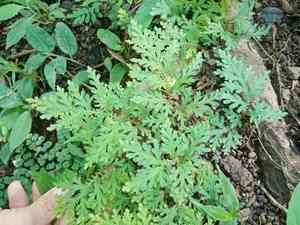
Delicate spikemoss (Selaginella tenella)
Also known as: None known
Delicate spikemoss is a fine-textured, creeping plant that thrives in shady, moist environments. It forms lush green carpets, ideal for areas that mimic a forest floor. This resilient plant excels in low-light conditions and benefits from consistent moisture, making it well-suited for humid settings.
In This Article
Attributes of Delicate spikemoss
Lifespan
Perennial
Plant Type
Fern
Plant Height
5 to 10 cm
Spread
15 to 30 cm
Leaf Color
Bright green
Flower Size
N/A
Flower Color
N/A
Images of Delicate spikemoss
Quickly Identify Delicate spikemoss
1
Selaginella tenella has small, delicate, needle-like leaves that form dense mats or tufts. The leaves are bright green and arranged in a scale-like pattern along the stem.
Scientific Classification of Delicate spikemoss
Phylum
Vascular plants
Class
Club mosses
Order
Selaginellales
Family
Spike-moss
Genus
Spikemosses
Species
Delicate spikemoss
Planting and Growing of Delicate spikemoss
Care Difficulty
Moderate
Watering Schedule
Every 8 days
Sunlight Requirements
Partial sun
Sunshine Duration
4-8 hours
Ideal Temperature
65-75℉
Soil Type
Potting Mix, Peat Mix
Soil pH
6.5-7.5
Fertilizer Type
Balanced
Pruning Season
Spring, Summer
Pruning Area
Branches, Leaves
Pruning Frequency
2 times a year
Repotting Season
Spring
Pot Type
Plastic, Ceramic
 How to Water Delicate spikemoss?
For Selaginella tenella, water until the soil is evenly moist but not waterlogged. The plant appreciates a consistent level of moisture, but excess water should be drained out to prevent root rot. Aim for approximately 100ml per watering session, depending on the soil type and pot size.
What are the symptoms of an underwatered Delicate spikemoss?
›
What should I do if my Delicate spikemoss is not getting enough water?
›
What are the symptoms of an overwatered Delicate spikemoss?
›
How to save an overwatered Delicate spikemoss?
›
 What Are the Sunlight Requirements for Delicate spikemoss?
Selaginella tenella prefers a setting between partial sun and full shade. Experiencing indirect sunlight enhances healthful growth patterns, supporting lush and vigorous foliage, which contributes to its ornamental appeal.
What is the ideal amount of sunlight?
›
How can I achieve these lighting conditions indoors?
›
What benefits does ideal lighting offer?
›
 What Is the Ideal Temperature Range for Delicate spikemoss?
The ideal temperature range for Selaginella tenella is from 65°F to 75°F. Within this range, the plant can thrive and display optimal growth patterns. Maintaining consistent temperatures can enhance their health and prevent stress caused by temperature fluctuations.
 What Soil is Best for Delicate spikemoss?
Selaginella tenella thrives in soil that provides excellent drainage. This prevents waterlogging, which can lead to root rot, allowing the roots to access oxygen and nutrients effectively. The plant does well in soil that can retain moderate moisture without becoming overly soggy. This helps maintain the delicate balance between hydration and aeration, crucial for its growth. This species benefits from soil rich in organic matter, which provides essential nutrients for its growth and vibrant appearance. A well-nourished soil environment supports healthy foliage and development.
 How to Fertilize Delicate spikemoss?
For Selaginella tenella, a light hand with fertilizer is paramount. Use a balanced, water-soluble fertilizer diluted to a quarter of the recommended strength. Typically, about 1/4 teaspoon per gallon of water is adequate for keeping the plant healthy.
 How to Prune Delicate spikemoss?
Start by carefully inspecting your Selaginella tenella for any dead, yellow, or damaged fronds. These should be removed first to prevent any potential spread of disease and to improve aesthetics. Hold the part of the plant you wish to prune firmly and use your tool to make clean, swift cuts close to the base of the frond. This precise method supports healing and maintains the plant's natural shape. After pruning, it's beneficial to lightly mist your Selaginella tenella. This not only helps to settle dust but also provides the plant with a bit of extra moisture, aiding in recovery from pruning.
More About Pruning Techniques→
 How to Propagate Delicate spikemoss plant?
1
Choose healthy, mature stems from the parent plant. Ensure the cutting is about 4-6 inches long and remove any leaves from the lower half to reduce moisture loss and increase rooting success.
2
Trim the cuttings just below a node with a clean, sharp knife. Dip the cut end into rooting hormone to encourage root growth and prevent infections that might hinder successful propagation.
3
Insert the treated end of the cutting into a potting mix that stays consistently moist but not waterlogged. Ensure good contact between the stem and the growing medium for optimal root development.
 How to Repot Delicate spikemoss plant?
1
Look for signals like roots growing out of the drainage holes or the plant appearing stunted. These are clear indicators that your Selaginella tenella needs more space. The optimal time to repot is during spring or autumn when the plant naturally prepares for growth or dormancy.
2
Select a pot slightly larger than the current one, ensuring it has ample drainage holes to prevent waterlogging, which could damage the delicate root system. A good pot promotes proper air circulation and prevents root rot, promoting healthy growth.
3
Opt for a soil mix high in organic matter yet provides excellent drainage to prevent water buildup. A mixture typically composed of peat moss and perlite is ideal. This choice ensures that the roots have enough moisture without remaining soaked, reducing the risk of root rot.



