How to Transplant Woodland stonecrop?
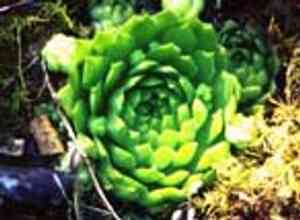
For optimal results, relocate woodland stonecrop during the period spanning early to late spring or from mid to late autumn, as these moderate conditions facilitate root development. Select a site featuring soil that drains effectively and offers partial shade. Exercise caution when manipulating the fragile root system during the transplanting process to ensure success.
What Preparations are Needed Before Transplanting Woodland Stonecrop?
What is the Ideal Time for Transplanting Woodland Stonecrop?
The optimal period to relocate woodland stonecrop is from early to late spring or from mid to late autumn. During these times, woodland stonecrop is inactive, minimizing transplant shock. Moving woodland stonecrop then allows ample time for root establishment before summer heat or winter cold. Therefore, consider this prime window for the best outcome. It's a gentle approach to give woodland stonecrop a head start for robust growth and vibrant blooms in its new spot.
How Much Space Should You Leave Between Woodland Stonecrop Plants?
When moving woodland stonecrop, ensure a 6-12 inch (15-30 cm) gap between them to provide sufficient room for each plant to develop and spread.
What is the Best Soil Mix for Woodland Stonecrop Transplanting?
For woodland stonecrop, select a soil that drains well and is rich in organic matter. Amending the soil with compost or a balanced, slow-release fertilizer will give your plants a healthy beginning.
Where Should You Relocate Your Woodland Stonecrop?
Woodland stonecrop thrives with a mix of sun and shade, so choose a spot with partial sun or dappled light for optimal growth. An area beneath a tree or near larger plants would be perfect!
What Equipments Should You Prepare Before Transplantation Woodland Stonecrop?
Hand Trowel
Used to excavate a new hole for your woodland stonecrop, small enough for precise tasks like transplanting.
Watering Can
For hydrating the woodland stonecrop before, during, and after the relocation process.
Gardening Gloves
To safeguard your hands while handling soil and woodland stonecrop.
Organic Compost
To enrich the planting site and supply nutrients for woodland stonecrop.
Shovel or Spade
Used for extracting the woodland stonecrop from its original spot without harming its roots.
How Do You Remove Woodland Stonecrop from the Soil?
How Do You Remove Woodland Stonecrop from the Soil?
From Ground: Start by moistening the soil around the woodland stonecrop. Next, draw a wide circle around the plant with your shovel or spade, maintaining a safe distance to protect the root system. Carefully ease the shovel beneath the root ball, and gently lift the plant from the ground, ensuring the root ball remains intact.From Pot: If the woodland stonecrop is in a container, begin by watering the soil. Invert the pot and gently coax the plant out, supporting the root ball with your hand. If the plant is stuck, lightly tap the pot's edge to loosen the soil. Use gloves if needed.From Seedling Tray: If moving woodland stonecrop from a seedling tray, ensure the seedlings are well-hydrated before transplanting. Gently lift the woodland stonecrop seedling by its leaves, not the stem, and remove it with the attached soil. Handle seedlings with care as they are delicate.
Step-by-Step Guide for Transplanting Woodland Stonecrop
Preparation
Begin by preparing the new site. Dig a hole twice as wide and as deep as the root ball of your woodland stonecrop. Loosen the soil at the bottom and sides of the hole.
Enrichment
Incorporate organic compost into the hole to provide the woodland stonecrop with additional nutritional support.
Insertion
Gently place the woodland stonecrop in the hole, ensuring the top of the root ball is level with the ground. Backfill the hole and gently firm the soil around the root area to eliminate air pockets.
Watering
Thoroughly water the plant after transplanting, ensuring the soil is fully saturated.
How Do You Care For Woodland Stonecrop After Transplanting?
Regular checks
Periodically inspect the woodland stonecrop for signs of stress, such as wilting or discoloration, in the weeks following its relocation. Address any visible distress promptly.
Continued watering
Maintain adequate moisture levels around the woodland stonecrop but avoid excessive watering, which can lead to root rot.
Mulching
Applying a layer of organic mulch around the woodland stonecrop can help retain soil moisture and supply extra nutrients. Ensure the mulch does not touch the stem to prevent rot.
Pruning
Trim any dead or dying parts of the woodland stonecrop to encourage new growth and help the plant focus its energy on establishing itself in its new location.
Troubleshooting Common Issues with Woodland Stonecrop Transplantation.
What is the ideal time of year to transplant woodland stonecrop?
Ideally, you should transplant woodland stonecrop from early to late spring, or between mid and late fall. Avoid summer months and winter season.
What should be the gap between woodland stonecrop plants during transplantation?
Maintain a space of about 6-12 inches (15-30 cm) between each woodland stonecrop. This gives them plenty of room to grow and thrive.
How do we prepare the new site for the woodland stonecrop plant?
The new site should have well-draining soil. Make sure the area gets enough sunlight as woodland stonecrop prefers partial shade, but can tolerate full sun.
How deep does the hole need to be while transplanting woodland stonecrop?
Dig a hole matching the depth of woodland stonecrop's original pot or its root ball. Never plant it deeper than it was originally grown.
Do I need to water woodland stonecrop immediately after transplanting?
Yes, it's essential to water woodland stonecrop promptly after transplanting. This helps settle the soil around the roots and avoid air pockets.
What considerations are necessary for transplanting woodland stonecrop in containers?
Use a well-draining potting soil, ensure the container has adequate drainage, and don't forget the spacing rules, even in a container!
Should I prune woodland stonecrop before or after transplanting?
Prune any dead or damaged leaves before transplanting. Post-transplant, only prune if necessary, as the plant needs its foliage for energy.
What to do if transferred woodland stonecrop shows signs of wilting or yellowing?
It may be caused by transplant shock. Reduce direct sunlight, ensure proper watering but don't overdo it, and consider a root stimulator to help it recover.
What should I do if woodland stonecrop doesn't show growth after transplantation?
Be patient! Woodland stonecrop may take time to establish. However, if over 4-6 weeks pass with no growth, check for issues with lighting, watering, or soil nutrients.
How can I ensure successful transplantation of woodland stonecrop?
Ensure appropriate timing, proper spacing, well-draining soil, correct depth, and immediate watering. Post-transplant care is equally important for a thriving woodland stonecrop.



