How to Transplant Brahma kamal?
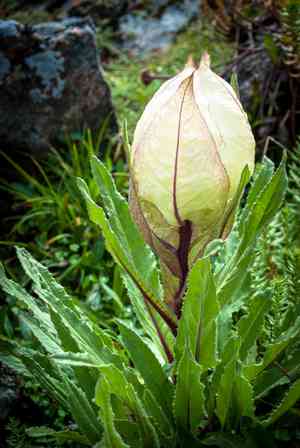
The ideal time for transplanting brahma kamal extends from the refreshing start to the lively middle of spring. Place it in soil that drains effectively, shielded from strong gusts, and for enhanced vitality, ensure diffused sunlight touches its foliage.
What Preparations are Needed Before Transplanting Brahma Kamal?
What is the Ideal Time for Transplanting Brahma Kamal?
For brahma kamal, the optimal period for relocation is when winter's cold recedes and spring's bloom commences. This timing allows brahma kamal to develop its root system prior to summer. Moving it during this thriving season capitalizes on milder temperatures and increasing daylight, both of which promote vigorous development. By selecting this nurturing window for transplanting, you provide brahma kamal an excellent start, perfectly aligned with nature's cycle of renewal.
How Much Space Should You Leave Between Brahma Kamal Plants?
Before introducing your brahma kamal, ensure ample room for its growth. Aim for a comfortable spacing of approximately 12-15 inches (30-38 cm) between individual plants. This guarantees your brahma kamal sufficient area to expand and achieve its full potential!
What is the Best Soil Mix for Brahma Kamal Transplanting?
Prepare to indulge your brahma kamal with a well-draining, humus-rich soil that is sure to provide sustenance! For a flourishing beginning, incorporate a gentle, slow-release fertilizer to supply your brahma kamal with the essential nutrients it desires for a healthy start.
Where Should You Relocate Your Brahma Kamal?
Locate a position for your brahma kamal that receives bright, indirect sunlight. A spot with filtered shade or morning sun is ideal, as it emulates the brahma kamal's native high-altitude environment, helping it thrive happily in your garden.
What Equipments Should You Prepare Before Transplantation Brahma Kamal?
Gardening Gloves
To safeguard your hands while handling soil and vegetation.
Spade or Shovel
For excavating around and beneath the plant to ensure safe removal.
Wheelbarrow or Garden Cart
For moving the extracted plant to its new designated spot.
Hand Trowel
For more precise digging of smaller plants or adjusting soil in the new planting area.
Watering Can or Hose
To hydrate the plant before extraction and following its relocation.
Pruning Shears
To trim any damaged roots or excess foliage both before and after transplanting.
How Do You Remove Brahma Kamal from the Soil?
How Do You Remove Brahma Kamal from the Soil?
From Ground: Hydrate the brahma kamal plant to moisten the earth. Next, excavate a broad trench around the plant using a shovel or spade, ensuring the plant's root ball remains intact. Carefully maneuver the spade beneath the root ball to lift the plant from its original spot.From Pot: Start by watering the brahma kamal plant to facilitate its extraction. Gently tap the pot's sides to loosen the soil and carefully tilt the container to slide the plant out. Support the plant at its base and guide it out with minimal disturbance to the roots.From Seedling Tray: Water the seedlings to dampen the soil, which will simplify removal. Use a hand trowel to carefully lift the brahma kamal plant from its compartment, taking care not to harm the delicate roots and stem.
Step-by-Step Guide for Transplanting Brahma Kamal
Digging the Hole
Excavate a hole in the ground that is twice as wide and equally deep as the brahma kamal plant's root ball.
Root Preparation
Inspect the plant's roots and use pruning shears to remove any dead or broken sections. Gently untangle matted roots to encourage outward growth.
Placing the Plant
Lower the brahma kamal plant into the excavated hole, ensuring it is positioned at the same depth it was previously growing. Orient the plant so it stands upright.
Soil Fill
Backfill the hole with native soil blended with some compost. Be careful not to excessively compact the soil; allow it to retain some looseness for water and air circulation.
Watering
Gently water the brahma kamal plant to settle the soil and eliminate air pockets around the roots. Ensure adequate moisture without over-saturating.
Support
If the brahma kamal plant is tall or top-heavy, provide support with stakes. Secure the plant to the stakes loosely to permit natural movement and growth.
How Do You Care For Brahma Kamal After Transplanting?
Mulching
Apply a layer of organic material around the base of the brahma kamal to help retain soil moisture and suppress weed growth.
Monitoring
Regularly inspect the plant for indications of stress, such as wilting or discolored leaves, and adjust care as needed.
Support Adjustment
As the brahma kamal grows, modify any supportive stakes and ties to prevent them from cutting into the stem and to accommodate its increased size.
Seasonal Care
Be mindful of changing weather conditions and safeguard the brahma kamal during extreme temperatures with appropriate covering or insulation.
Troubleshooting Common Issues with Brahma Kamal Transplantation.
When is the best time to transplant brahma kamal?
The optimal period to relocate brahma kamal is early to mid-spring, allowing it to establish before summer.
How far apart should I space brahma kamal when transplanting?
Provide each brahma kamal approximately 12-15 inches (30-38 cm) of space to ensure proper development.
Why are my transplanted brahma kamal plants wilting?
Post-transplant wilting may indicate shock. Ensure sufficient water, avoid direct sun, and allow time for recovery.
What type of soil suits brahma kamal best for transplanting?
Transplant brahma kamal into well-draining soil rich in organic matter for optimal growth.
How deep should I plant brahma kamal when transplanting?
The root ball of brahma kamal should be level with the soil surface, in a hole of equal depth.
Should I water brahma kamal immediately after transplanting?
Yes, thoroughly water brahma kamal to help settle the soil and minimize transplant shock.
Why is brahma kamal not blooming after being transplanted?
Brahma kamal may forgo blooming to prioritize root establishment. Patience is key; it should bloom next season.
Can I transplant brahma kamal during the fall season?
Relocating brahma kamal is less advisable in autumn; spring offers superior conditions for successful establishment.
How do I prepare the site before transplanting brahma kamal?
Clear weeds, incorporate compost, and ensure the site has good light and drainage before transplanting brahma kamal.
What should I do if the leaves of brahma kamal turn yellow post-transplant?
Yellow leaves may signal stress; verify proper watering, light, and nutrient levels, and adjust care accordingly.



