How to Transplant Chinese sassafras?
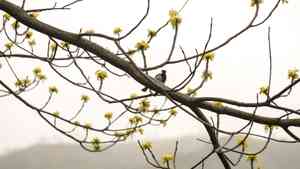
Chinese sassafras flourishes when relocated during the vibrant seasons of early to late spring or mid to late autumn, guaranteeing peak development. Select a bright or partly shaded spot with damp, adequately draining earth to improve its establishment.
Essential Preparations Before Relocating Chinese Sassafras
Optimal Period for Relocating Chinese Sassafras
Chinese sassafras should ideally be moved from early to late spring or mid to late autumn. These periods offer mild temperatures and sufficient moisture, aiding root establishment. Transplanting during these times minimizes plant stress, fosters robust growth, and utilizes natural growth cycles for peak resilience and vigor.
Recommended Spacing Between Chinese Sassafras Plants
Position each chinese sassafras plant 15-20 feet (4.5-6 meters) apart to provide ample room for development. This spacing ensures adequate air circulation and space for roots to spread comfortably, promoting healthy growth.
Ideal Soil Blend for Chinese Sassafras Relocation
Prepare well-draining, slightly acidic to neutral soil (pH 6.0-7.0) for chinese sassafras. Enhance the soil with a foundational fertilizer, such as compost or aged manure, to supply vital nutrients and improve soil structure.
Optimal Location for Your Chinese Sassafras
Chinese sassafras thrives best in full sun to partial shade. Select a site that receives at least 4-6 hours of daily sunlight for optimal growth. If the location offers afternoon shade, it can help shield the plant from intense midday sun.
Equipment Needed Before Relocating Chinese Sassafras
Gardening Gloves
To safeguard your hands while handling soil and the plant.
Shovel or Spade
For excavating and extracting the plant from its initial spot.
Trowel
To assist in moving soil into and around the plant's new position.
Garden Fork
Useful for aerating the soil.
Watering Can or Hose
For hydrating the plant before and after relocation.
Pruning Shears
To trim any dead or damaged root sections.
Wheelbarrow
To transport the plant if it is large or the distance is considerable.
Mulch
To retain soil moisture and regulate temperature post-transplant.
Method for Extracting Chinese Sassafras from the Ground
Method for Extracting Chinese Sassafras from the Ground
From Ground: First, hydrate the chinese sassafras plant to moisten the soil. Next, excavate a wide trench around the plant using a shovel or spade, ensuring the plant's root ball remains intact. Carefully work the spade beneath the root ball to lift the plant from its original spot.From Pot: Water the chinese sassafras plant thoroughly. Gently tilt the pot on its side and tap the edges to loosen the soil. Carefully slide the plant out, supporting the base to keep the root ball intact.From Seedling Tray: Gently water the seedlings. Use a small trowel to loosen the soil surrounding the chinese sassafras seedlings. Carefully lift each seedling, ensuring the root ball remains whole.
Detailed Guide for Relocating Chinese Sassafras
Site Preparation
Choose the new location, ensuring it meets the previously outlined criteria. Dig a hole twice the size of the root ball to facilitate easy relocation.
Plant Removal
Follow the earlier steps to extract the chinese sassafras plant from its initial position. Be gentle to prevent root damage.
Planting
Position the chinese sassafras plant in the center of the prepared hole, ensuring it sits at the same depth as it was originally. Backfill the hole with soil, pressing down gently to eliminate air pockets.
Watering
Thoroughly water the chinese sassafras plant immediately after relocation to help settle the soil and provide moisture to the roots.
Mulch Application
Spread a layer of mulch around the plant's base, but avoid piling it against the stem, to help maintain soil moisture and temperature.
Post-Relocation Care for Chinese Sassafras
Watering
Keep the soil around the chinese sassafras consistently moist, but not waterlogged, for the initial weeks after relocation to aid in establishing strong roots.
Monitoring
Regularly inspect the plant for any indications of stress, such as wilting or yellowing leaves, and take prompt corrective measures.
Pruning
Remove any damaged or dead foliage to encourage healthy growth and reduce plant stress.
Fertilizing
After a few weeks, you can apply a balanced, slow-release fertilizer to support the plant's development.
Resolving Common Issues with Chinese Sassafras Relocation.
When is the best time to relocate chinese sassafras?
The ideal period to move chinese sassafras is from early to late spring, and mid to late fall.
What spacing should I use when relocating chinese sassafras?
Space chinese sassafras plants 15-20 feet (4.5-6 meters) apart to ensure healthy development.
How deep should you plant chinese sassafras?
Plant chinese sassafras at the same depth it was in the nursery, typically 10-12 inches (25-30 cm).
How to prepare the soil for relocating chinese sassafras?
Ensure well-draining soil enriched with compost or organic matter for optimal results with chinese sassafras.
What should I do immediately after relocating chinese sassafras?
Water chinese sassafras thoroughly right after relocation to settle the soil and minimize transplant shock.
How to care for chinese sassafras after relocating?
Keep chinese sassafras well-hydrated, ensuring the soil remains moist but not saturated, especially in the first weeks.
Should I prune chinese sassafras during relocation?
Prune any damaged or dead branches of chinese sassafras to encourage healthy new growth after relocation.
What are signs of transplant shock in chinese sassafras?
Drooping leaves, stunted growth, or leaf shedding are common indicators of transplant shock in chinese sassafras.
How to reduce transplant shock for chinese sassafras?
Water consistently, avoid immediate fertilization, and keep chinese sassafras in a shaded area until established.
What type of fertilizer is best after relocating chinese sassafras?
Use a balanced, slow-release fertilizer several weeks after relocating chinese sassafras to promote root establishment.



