How to Transplant Oppositeleaf russian thistle?
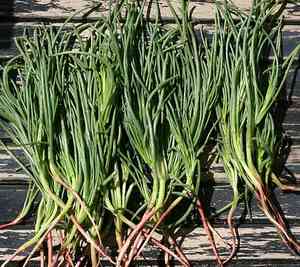
Relocate oppositeleaf russian thistle once temperatures rise and freezing conditions subside, preferably in the flourishing early summerâ an opportune time for development. Select a bright, adequately drained location. Careful handling is essential; oppositeleaf russian thistle flourishes when its root system remains intact.
Essential Preparations Before Relocating Oppositeleaf Russian Thistle?
Optimal Period for Relocating Oppositeleaf Russian Thistle?
Relocate oppositeleaf russian thistle during the peak of spring transitioning into early summer for maximum growth potential, capitalizing on extended daylight and moderate temperatures. Moving oppositeleaf russian thistle at this time allows for proper establishment under favorable conditions, promoting robust development. A helpful tip â initiating oppositeleaf russian thistle in this welcoming timeframe ensures a vigorous growth surge!
Recommended Spacing Between Oppositeleaf Russian Thistle Plants?
When preparing to rehouse your oppositeleaf russian thistle, aim for a spacing of approximately 12-18 inches (30-46 cm) between them. This provides ample room for each plant to develop fully without competing for vital resources.
Ideal Soil Blend for Oppositeleaf Russian Thistle Relocation?
For your oppositeleaf russian thistle, prepare a well-draining soil enriched with organic matter. Before transplanting, incorporate a balanced, slow-release fertilizer to give your plants an excellent start. A near-neutral pH is perfect for these plants!
Optimal Location for Your Oppositeleaf Russian Thistle?
Your oppositeleaf russian thistle will thrive in a sunny spot within your garden! Select a location that receives direct sunlight for at least 6 hours daily to ensure they absorb sufficient rays for strong, healthy growth. Sunlight is where they flourish!
Tools Required Before Transplanting Oppositeleaf Russian Thistle?
Gardening Gloves
To safeguard your hands while handling soil and plants.
Shovel or Spade
For digging and lifting the plant's root ball.
Garden Fork
To loosen the soil around the plant's roots if necessary.
Watering Can or Hose
For hydrating the plant before and after relocation.
Pruning Shears
For trimming any damaged roots or foliage as needed.
Wheelbarrow or Plant Pot
To move the plant and soil from one spot to another.
Measuring Tape
To ensure correct spacing between plants during transplantation.
How to Extract Oppositeleaf Russian Thistle from the Ground?
How to Extract Oppositeleaf Russian Thistle from the Ground?
From Ground: First, moisten the oppositeleaf russian thistle to dampen the soil. Next, use a shovel or spade to dig a wide trench around the plant, being careful not to damage the root ball. Gently work the tool beneath the root ball to lift the plant from its original position.From Pot: Begin by thoroughly watering the oppositeleaf russian thistle to make the soil moist and easier to manage. Then, turn the pot on its side, hold the plant at its base, and gently tap the pot to loosen the soil and roots. Carefully slide the plant out while supporting its base and root ball.From Seedling Tray: Water the seedling tray to moisten the soil, which facilitates easier removal of oppositeleaf russian thistle. Gently push the seedling from the bottom of the cell or use a small tool to lift it out, taking care to preserve the roots and surrounding soil.
Step-by-Step Guide for Relocating Oppositeleaf Russian Thistle
Preparation
Ensure all necessary tools and equipment are readily available before commencing the transplant process. Wear gardening gloves to protect your hands during work.
Transplant Timing
Relocate oppositeleaf russian thistle during the cooler parts of the day, such as early morning or late afternoon, to minimize plant stress.
Soil Moisture
Water the oppositeleaf russian thistle in its current location to ensure the soil is moist and roots are hydrated, which can help reduce transplant shock.
Plant Removal
Carefully remove the oppositeleaf russian thistle from the ground, pot, or seedling tray, depending on its current location, using the method described in the 'removal_process' section.
Hole Preparation
Dig a hole in the new location that is twice the width of the root ball but the same depth to ensure the oppositeleaf russian thistle is planted at its previous growing level.
Plant Placement
Position the oppositeleaf russian thistle in the center of the new hole and gently spread out the roots if they are root-bound or overly compressed.
Soil Backfill
Fill the hole with soil, gently pressing it down around the roots of the oppositeleaf russian thistle to eliminate air pockets and provide stable support for the plant.
Watering
Water the oppositeleaf russian thistle thoroughly after planting to settle the soil around the roots and provide essential hydration for the plant.
Post-Transplant Care for Oppositeleaf Russian Thistle
Initial Watering
Water the oppositeleaf russian thistle thoroughly after transplanting and maintain consistent soil moisture to encourage root development.
Monitoring
Observe your oppositeleaf russian thistle for signs of stress, such as wilting or discolored leaves, and address any issues promptly.
Support Structures
If the oppositeleaf russian thistle requires support for growth, consider installing stakes or ties to help it remain upright.
Adjusting Care
As oppositeleaf russian thistle acclimates to its new environment, gradually reduce watering to help the plant establish a robust root system and become more drought-tolerant.
Mulching
Apply a layer of mulch around the base of oppositeleaf russian thistle to help retain soil moisture and stabilize temperature fluctuations.
Resolving Common Issues with Oppositeleaf Russian Thistle Transplantation.
Why is my oppositeleaf russian thistle drooping after relocation?
Drooping may indicate root shock. Ensure gentle handling during transplant and adequate watering post-move.
What is the recommended spacing for oppositeleaf russian thistle during transplant?
Ideally, space oppositeleaf russian thistle approximately 12-18 inches (30-46 cm) apart to allow each plant ample room to flourish.
When is the best time to relocate oppositeleaf russian thistle?
Relocate oppositeleaf russian thistle during the mild conditions of late spring to early summer, avoiding temperature extremes for optimal results.
How deep should oppositeleaf russian thistle seedlings be planted?
Plant oppositeleaf russian thistle so the root ball is level with the soil surface, ensuring roots are neither exposed nor buried too deeply.
Is it advisable to transplant oppositeleaf russian thistle on a hot, sunny day?
Transplant oppositeleaf russian thistle on a mild, overcast day to reduce stress and prevent immediate wilting from intense sunlight.
What signs indicate oppositeleaf russian thistle requires water after transplant?
If leaves appear limp or the soil feels dry to the touch, water oppositeleaf russian thistle thoroughly, especially in the weeks following transplant.
Why are the leaves of my oppositeleaf russian thistle turning yellow?
Yellowing leaves might signal overwatering or poor drainage. Ensure the soil drains well and monitor your watering schedule.
How much should I water oppositeleaf russian thistle after transplanting?
Maintain consistently moist but not waterlogged soil. Water deeply to encourage root growth after transplanting.
Should I fertilize oppositeleaf russian thistle immediately after transplanting?
Wait a few weeks before fertilizing to allow oppositeleaf russian thistle to establish. Then, apply a balanced fertilizer according to product instructions.
Can I move oppositeleaf russian thistle again if it hasn't adapted well?
It's best to avoid moving oppositeleaf russian thistle again if possible. Instead, address the underlying issue such as moisture levels, light, or soil quality.



