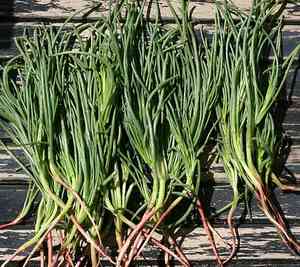
Oppositeleaf russian thistle (Salsola soda)
Also known as: Fleshy russian thistle, Glasswort
Oppositeleaf Russian thistle (Salsola tragus), also known as tumbleweed, thrives in dry and semi-arid regions. It is well-suited to sandy or loamy soils and can often be found in deserts, rangelands, and disturbed areas such as roadsides, agricultural fields, and construction sites. This plant is highly adaptable and can endure drought and saline conditions, making it prevalent in various harsh environments.
In This Article
Attributes of Oppositeleaf russian thistle
Lifespan
Annual
Plant Type
Herb
Plant Height
70 cm
Spread
50 cm
Leaf Color
Green Blue
Flower Size
Small, less than 1 cm
Flower Color
Pink Green
Images of Oppositeleaf russian thistle
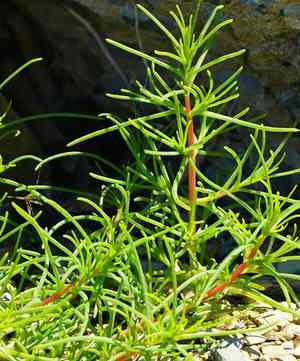
Quickly Identify Oppositeleaf russian thistle
1
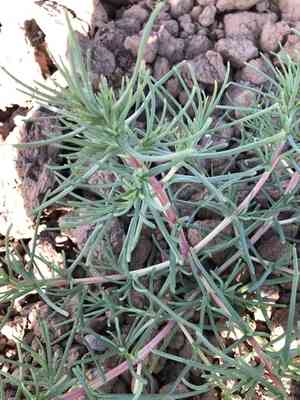
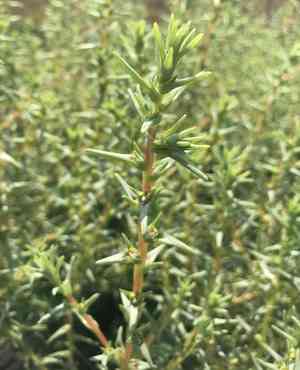
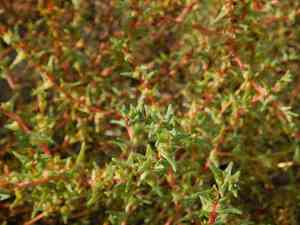
Salsola soda can be identified by its fleshy, linear leaves which are often arranged oppositely. The plant has a bushy appearance and can grow up to 70 cm tall. The flowers are small, greenish and located at the leaf axils.
Scientific Classification of Oppositeleaf russian thistle
Phylum
Vascular plants
Class
Dicotyledons
Order
Caryophyllales
Family
Amaranth
Genus
Saltwort
Species
Oppositeleaf russian thistle
Planting and Growing of Oppositeleaf russian thistle
Care Difficulty
Easy
Watering Schedule
Every 3 days
Sunlight Requirements
Full sun
Sunshine Duration
6-10 hours
Ideal Temperature
60-75℉
Soil Type
Potting Mix, Peat Mix
Soil pH
6.5-8.5
Fertilizer Type
Balanced
Pruning Season
Spring, Summer
Pruning Area
Branches, Leaves
Pruning Frequency
2 times a year
Repotting Season
Spring
Pot Type
Plastic, Ceramic
 How to Water Oppositeleaf russian thistle?
For Salsola soda, water until the top inch of soil is moist. This typically means about 500 ml per watering. Ensure the soil is not left soggy, as this plant prefers well-drained conditions.
What are the symptoms of an underwatered Oppositeleaf russian thistle?
›
What should I do if my Oppositeleaf russian thistle is not getting enough water?
›
What are the symptoms of an overwatered Oppositeleaf russian thistle?
›
How to save an overwatered Oppositeleaf russian thistle?
›
 What Are the Sunlight Requirements for Oppositeleaf russian thistle?
Salsola soda thrives in full to partial sun environments. Receiving an ideal light range promotes vibrant foliage and overall robust health, allowing the plant to flourish and reach its full growth potential.
More About Sunlight Requirements Techniques→
How much sun does Salsola soda need?
›
What are the ideal lighting solutions for Salsola soda?
›
What are the benefits of ideal lighting for Salsola soda?
›
 What Is the Ideal Temperature Range for Oppositeleaf russian thistle?
To cultivate Salsola soda effectively, maintaining an ideal temperature range between 60°F and 75°F is crucial. This range supports optimal growth by providing a stable environment that mimics the plant's natural habitat conditions. These temperatures ensure adequate metabolic processes, facilitating nutrient uptake and photosynthesis to keep Salsola soda healthy and vibrant.
 What Soil is Best for Oppositeleaf russian thistle?
Salsola soda thrives in well-drained soil, which helps prevent waterlogging and root rot. This condition ensures that the plant's roots receive adequate oxygen and that excess salts are washed away, promoting robust growth. Rich in organic matter, the soil should provide essential nutrients for Salsola soda, supporting healthy foliage and overall vigor. This soil condition enables the plant to thrive even under challenging environmental conditions. Salsola soda prefers slightly alkaline soils, which help in the proper absorption of nutrients like potassium and calcium, crucial for its growth and cellular functions.
 How to Fertilize Oppositeleaf russian thistle?
Salsola soda, commonly known as opposite-leaved saltwort, requires a balanced approach when it comes to fertilization. Use 10 grams of balanced fertilizer per square meter for optimal growth. This should provide the essential nutrients without overwhelming the plant.
 How to Prune Oppositeleaf russian thistle?
Start by identifying the healthy stems and cut back any dead or damaged branches. Use clean, sharp shears to make a clean cut just above a node. This method stimulates new and healthy growth, keeping the plant compact and vibrant. Regular trimming also encourages bushier growth patterns. When shaping Salsola soda, aim to create a balanced look, removing any overgrown sections. By focusing on shaping, you not only improve the aesthetic appeal but also increase air circulation within the plant, which is vital for its health. This should be done gradually with minor adjustments over several pruning sessions.
More About Pruning Techniques→
 How to Propagate Oppositeleaf russian thistle plant?
1
Gather seeds from a mature Salsola soda plant and soak them in room-temperature water for 24 hours. This helps break dormancy and softens the seed coat, improving germination rates.
2
Use a well-draining soil mix, such as a combination of potting soil, sand, and perlite, to ensure adequate drainage and aeration. Fill seed trays or pots with the prepared soil before planting seed or cuttings.
3
For seeds, place them on the soil surface and lightly cover them with a thin layer of soil. For cuttings, make a clean cut just below a node, remove lower leaves, and insert the cutting a few centimeters into the moist soil.
 How to Repot Oppositeleaf russian thistle plant?
1
Repotting Salsola soda should occur when you notice roots showing through the drainage holes or if the plant appears stunted. Ideally, repot in early spring or autumn when the plant's growth is active but not during extreme temperatures.
2
Choose a pot that is 1-2 inches larger in diameter than the current one. This allows space for root growth and discourages overwatering. Ensure the pot has adequate drainage to prevent waterlogging, crucial for Salsola soda's health.
3
Opt for well-draining soil with saline tolerance, as Salsola soda thrives in such conditions. A sandy or loamy mix enhances drainage and mimics natural habitats, ensuring healthy growth.



