How to Transplant Perennial glasswort?
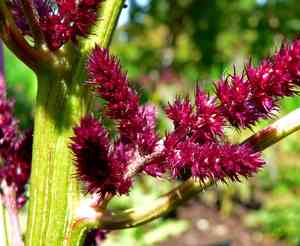
Glasswort, a perennial, flourishes in bright, seaside environments. The best period for transplanting is from the beginning of spring to its conclusion, or from the onset of early winter through the middle of winter. A location abundant in salt is crucial for its best development. While hardy, it requires gentle handling.
What Preparations are Needed Before Transplanting Perennial Glasswort?
What is the Ideal Time for Transplanting Perennial Glasswort?
The best seasons for relocating perennial glasswort are early to late spring and early to mid-winter. During these periods, the ground temperature is more moderate and moisture levels are consistent, aiding perennial glasswort in establishing robust root systems. Moving plants at these times reduces stress and maximizes their potential for growth, ensuring strong development in subsequent growing seasons.
How Much Space Should You Leave Between Perennial Glasswort Plants?
When transplanting perennial glasswort, ensure each plant is spaced 12-18 inches (30-45 cm) apart. This spacing provides ample room for growth and prevents competition for essential resources.
What is the Best Soil Mix for Perennial Glasswort Transplanting?
Perennial glasswort thrives in saline, well-draining soil. To prepare, incorporate a foundational fertilizer rich in organic matterâsuch as compost or seaweed fertilizerâto enrich the soil before transplantation.
Where Should You Relocate Your Perennial Glasswort?
Select a sunny location for transplanting perennial glasswort, as it flourishes in full sunlight. Ensure the chosen area receives at least 6-8 hours of direct sun daily for optimal growth.
What Equipments Should You Prepare Before Transplantation Perennial Glasswort?
Gardening Gloves
To safeguard your hands while handling soil and plants.
Shovel or Spade
For digging and lifting the plant from its original spot and preparing the new planting area.
Trowel
For more precise digging and ensuring the transplant hole is the correct size.
Watering Can or Hose
To hydrate the plant before and after the transplanting process.
Wheelbarrow
To move the plant if the distance between its old and new locations is considerable.
Garden Fork
To help loosen the soil around the plant, especially when extracting it from the ground.
Plant Labels
To mark and identify the plant in its new position.
How Do You Remove Perennial Glasswort from the Soil?
How Do You Remove Perennial Glasswort from the Soil?
From Ground: First, water the perennial glasswort plant to moisten the soil. Then, dig a wide trench around the plant using a shovel or spade, ensuring the plant's root ball remains intact. Carefully work the spade beneath the root ball to lift the plant from its original location.From Pot: Water the plant thoroughly to dampen the soil. Gently tilt the pot and tap its sides to loosen the soil. Carefully slide the plant out, supporting the root ball with your hand to keep it intact.From Seedling Tray: Water the seedlings to ensure the soil is moist. Use a trowel or similar tool to gently lift the seedling from the tray, being careful not to damage the roots.
Step-by-Step Guide for Transplanting Perennial Glasswort
Site Preparation
Ensure the new location is ready for the perennial glasswort plant. Use a shovel or spade to dig a hole twice as wide and the same depth as the plant's root ball.
Soil Loosening
Loosen the soil at the bottom of the hole with a garden fork to facilitate easier root penetration.
Plant Placement
Position the perennial glasswort plant in the hole, making sure the top of the root ball is level with the ground surface. Gently spread the roots if they are circling.
Cover and Firm
Backfill the hole with soil, gently pressing down to remove air pockets. Avoid covering the stem with soil.
Watering
Water the plant thoroughly to settle the soil around the roots. Ensure the entire root ball is saturated.
How Do You Care For Perennial Glasswort After Transplanting?
Watering
Keep the soil around the perennial glasswort consistently moist, but not waterlogged, for the initial few weeks post-transplant to aid in root establishment.
Mulching
Apply a layer of mulch around the plant's base to retain moisture and suppress weeds. Keep the mulch a few inches away from the stem to prevent rot.
Monitoring
Regularly inspect the plant for signs of stress such as wilting or yellowing leaves and adjust care as necessary.
Troubleshooting Common Issues with Perennial Glasswort Transplantation.
When is the best time to transplant perennial glasswort?
Perennial glasswort is ideally transplanted from early spring to late spring, or early winter to mid-winter.
How much spacing should I leave between perennial glasswort plants?
Leave a space of 12-18 inches (30-45 cm) between each perennial glasswort plant for optimal growth.
How should I prepare the soil before transplanting perennial glasswort?
Ensure the soil is well-drained and slightly saline for the best growth of perennial glasswort.
What should I do if perennial glasswort wilts after transplanting?
Keep the soil moist and avoid direct sunlight to help perennial glasswort recover from transplant shock.
How deep should I plant perennial glasswort during transplanting?
Plant perennial glasswort at the same depth it was growing in its original container.
What type of watering schedule is best for newly transplanted perennial glasswort?
Water perennial glasswort regularly but do not overwater. Keep the soil consistently moist.
How can I ensure perennial glasswort adapts to its new environment?
Gradually introduce perennial glasswort to its new environment by acclimatizing it to outdoor conditions.
What should I do if perennial glasswort shows signs of stunted growth?
Check soil salinity and nutrient levels, ensuring both are optimal for perennial glasswort's growth.
Is it necessary to fertilize perennial glasswort after transplanting?
A light application of a balanced, slow-release fertilizer can support perennial glasswort's growth post-transplant.
How can I prevent pest issues in newly transplanted perennial glasswort plants?
Inspect perennial glasswort regularly for pests and use organic treatments if necessary to prevent infestations.



