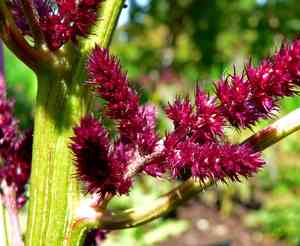
Perennial glasswort (Salicornia perennis)
Also known as: Perennial Glasswort, Sarcocornia perennis
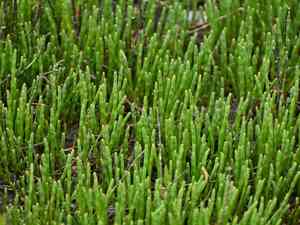
Salicornia, often referred to as glasswort or pickleweed, is a resilient succulent that thrives in salty areas like salt marshes and sandy shores. Its bushy, vibrant green appearance comes from its fleshy, jointed stems and tiny scale-like leaves, which often turn a striking red in the fall. Well-adapted to saline environments, Salicornia plays a crucial role in coastal stabilization and is also appreciated in various culinary applications.
In This Article
Attributes of Perennial glasswort
Lifespan
Perennial
Plant Type
Herb
Plant Height
10-60 cm (4-24 inches)
Spread
Not relevant for this species
Leaf Color
The plant lacks conventional leaves
Flower Size
Flowers are small and inconspicuous, less than 0.2 cm in diameter
Flower Color
Greenish to yellowish
Images of Perennial glasswort
Quickly Identify Perennial glasswort
1
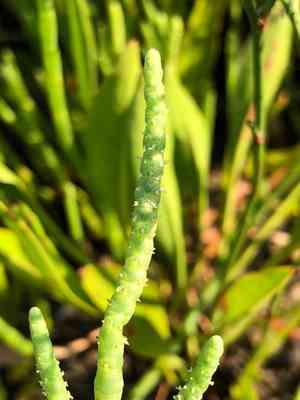
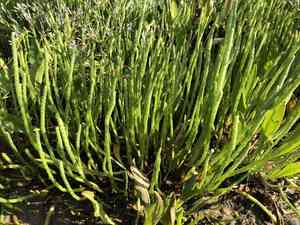
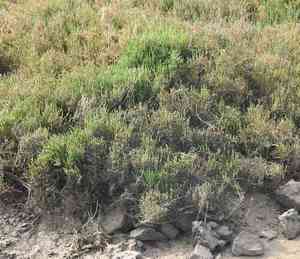
Salicornia perennis can be identified by its succulent, segmented stems which are usually green but can turn reddish in the fall. It lacks conventional leaves and flowers with small, inconspicuous clusters.
Scientific Classification of Perennial glasswort
Phylum
Vascular plants
Class
Dicotyledons
Order
Caryophyllales
Family
Amaranth
Genus
Glassworts
Species
Perennial glasswort
Planting and Growing of Perennial glasswort
Care Difficulty
Easy
Watering Schedule
Every 2 days
Sunlight Requirements
Full sun
Sunshine Duration
6-12 hours
Ideal Temperature
65-77℉
Soil Type
Potting Mix, Peat Mix
Soil pH
6.5-7.5
Fertilizer Type
Balanced
Pruning Season
Spring, Summer
Pruning Area
Branches, Leaves
Pruning Frequency
2 times a year
Repotting Season
Spring
Pot Type
Plastic, Ceramic
 How to Water Perennial glasswort?
When watering Salicornia perennis, ensure you provide approximately 200 milliliters at each session. This plant thrives in saline, moist environments, so the soil should remain consistently damp but not waterlogged.
What are the symptoms of an underwatered Perennial glasswort?
›
What should I do if my Perennial glasswort is not getting enough water?
›
What are the symptoms of an overwatered Perennial glasswort?
›
How to save an overwatered Perennial glasswort?
›
 What Are the Sunlight Requirements for Perennial glasswort?
Salicornia perennis ideally requires full sun to partial sun exposure. This ensures maximal growth, robust plant structure, and optimal photosynthesis, promoting resilience against environmental adversities.
How can it get its ideal light?
›
What are the steps to achieve this?
›
What benefits can be expected with ideal lighting?
›
 What Is the Ideal Temperature Range for Perennial glasswort?
Salicornia perennis thrives best in environments where temperatures are consistently between 65°F and 77°F. These conditions mimic the plant's natural habitats, which are typically temperate coastal areas. Maintenance of this temperature range ensures optimal growth and development, allowing the plant to carry out photosynthesis efficiently without being stressed by extreme temperatures.
 What Soil is Best for Perennial glasswort?
Salicornia perennis prefers soils with excellent drainage to prevent root rot. Sandy soils are ideal because they allow excess water to escape quickly, ensuring that the plant's roots remain healthy and robust. This plant thrives in nutrient-poor soil conditions, commonly found in sandy and calcareous soils, minimizing the need for fertilization and making it a perfect candidate for low-maintenance landscapes. A slightly alkaline condition, with a pH between 6.5 and 7.5, suits Salicornia perennis perfectly. This pH range helps maintain the plant's saline tolerance and supports its growth in coastal environments.
 How to Fertilize Perennial glasswort?
Salicornia perennis thrives in nutrient-poor environments; hence, it requires minimal fertilizer. Use half the recommended dose for most other salt marsh plants. Over-fertilizing this halophyte can disturb its natural balance.
 How to Prune Perennial glasswort?
Look for branches that appear dark or shriveled. These should be removed first as they can harbor pests and diseases. Cut back overgrown areas to help shape the plant and encourage bushier growth. Make cuts above a node to promote new shoots. After pruning, clean your tools with rubbing alcohol to prevent transferring diseases to other plants in your garden.
More About Pruning Techniques→
 How to Propagate Perennial glasswort plant?
1
To propagate Salicornia perennis by seed, first collect ripe seeds during the right season. Ensure seeds are dry and viable before sowing them in prepared seedbeds.
2
Select healthy stems and use sharp pruners to cut them. The cuttings should be of a proper length and free from any diseased or damaged parts.
3
Seeds should be sown in well-draining soil, kept moist, and placed in adequate sunlight. Cuttings should be planted in a suitable medium and maintained under optimal moisture levels.
 How to Repot Perennial glasswort plant?
1
Salicornia perennis needs repotting when you notice roots growing out of the drainage holes or when plant growth stagnates despite proper care. The plant typically benefits from repotting every 1-2 years, ideally in the warm seasons when it can easily adapt to new conditions.
2
Select a pot slightly larger than the current one, with excellent drainage features. A terracotta pot is ideal as it helps moisture to evaporate, preventing root rot. The right pot will ensure that the roots have enough space to grow and help maintain overall plant health.
3
Opt for a sandy, well-draining soil mix best suited for coastal plants like Salicornia perennis. The soil should mimic natural coastal conditions, reducing water retention which can lead to root rot. This type of soil will also provide essential minerals, boosting plant vitality.



