How to Transplant African violet?
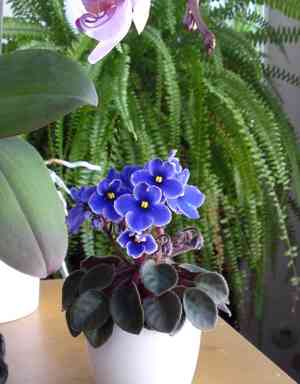
Relocating african violet is most effectively carried out in the ideal period of late spring to early summer, since elevated temperatures foster root development. Select a brightly illuminated spot with diffused sunlight, and consistently exercise caution when manipulating the fragile root system of african violet.
What Preparations are Needed Before Transplanting African Violet?
What is the Ideal Time for Transplanting African Violet?
The optimal period to repot your african violet is from late spring to early summer. This timeframe allows the plant sufficient time to acclimate prior to the colder months. By transplanting your african violet during this ideal window, it benefits from a favorable growing season, promoting magnificent blooms. Remember, your african violet relies on you for this revitalizing change, which provides a healthier environment, and what better season than the perfect warmth of late spring to early summer!
How Much Space Should You Leave Between African Violet Plants?
When relocating your african violet, aim for a separation of approximately 6-12 inches (15-30 cm) between plants. This provides adequate room for growth and prevents competition for nutrients.
What is the Best Soil Mix for African Violet Transplanting?
Prepare a well-draining substrate for your african violet, such as a specialized African violet potting mix, or create your own by combining equal parts peat moss, perlite, and vermiculite. Incorporate a balanced, slow-release fertilizer to encourage robust development.
Where Should You Relocate Your African Violet?
Select a spot for your african violet that receives bright, indirect illumination. Excessive direct sunlight can scorch the foliage, so a north or east-facing windowsill is perfect if transplanting indoors, or a location with filtered shade outdoors.
What Equipments Should You Prepare Before Transplantation African Violet?
Gardening Gloves
To protect your hands when handling the plant and soil.
Garden Trowel
Ideal for excavating the new planting site and extracting the african violet from its current container or ground.
Gardening Spade
For larger african violet plants, a spade may be necessary to keep the root ball intact.
Watering Can
Needed to hydrate the plant both before and after relocation.
Mulch
Helps maintain moisture and offers shade for the african violet's delicate root system post-transplant.
How Do You Remove African Violet from the Soil?
How Do You Remove African Violet from the Soil?
From Ground: Initially moisten the soil around the african violet thoroughly. This will facilitate easier and more effective removal. Carefully dig a wide circle around the plant using your spade, taking care not to damage the main root system. Once done, diligently work your spade beneath the african violet, again being mindful of the root ball during the process.From Pot: We suggest watering the african violet before you start. Gently turn the pot onto its side and lightly press its sides. Carefully slide the plant out, being cautious not to harm the plant or roots. If the african violet seems stuck, tap the bottom of the pot lightly to loosen it.From Seedling Tray: For young plants, use a gardening trowel to gently lift each seedling from its cell. Be sure to lift it by the leaves and not the stem, which can easily be damaged.
Step-by-Step Guide for Transplanting African Violet
Plant Preparation
Thoroughly water the african violet before removing it from its original spot. The moisture will safeguard the roots during the transplanting procedure.
Hole Preparation
Excavate a hole in the new location twice the size of the african violet's root ball to provide ample room.
Planting
Position the african violet in the hole at the same depth it was previously growing. Ensure the top of the root ball is level with the surrounding soil.
Backfilling
Refill the hole, gently firming the soil as you proceed. Avoid compacting the soil too much; it should be firm but loose.
Watering
Water the african violet thoroughly. Even if it recently rained, it's crucial to provide the plant with a good amount of water after transplanting to help settle the soil. After watering, add more soil if necessary.
Mulching
Finally, cover the soil with a layer of mulch to conserve moisture and help the african violet establish comfortably.
How Do You Care For African Violet After Transplanting?
Watering
Provide consistent moisture to the african violet to aid its recovery from transplant stress, but never allow it to sit in standing water, as this can lead to root rot.
Protection
Shield the newly transplanted african violet from harsh weather conditions. Keep it shaded from intense sun and protected from strong winds for the initial few days until it settles.
Monitoring
Regularly inspect the plant for any indications of transplant shock, such as wilting or discolored foliage. If symptoms appear, adjust watering and maintain suitable environmental conditions.
Troubleshooting Common Issues with African Violet Transplantation.
What is the ideal time to transplant my african violet?
Relocate your african violet when the warmth of late spring to early summer begins. This period offers optimal growing conditions for african violet.
How much space should I leave between each african violet during transplantation?
For successful growth, position each african violet approximately 6-12 inches (15-30 cm) apart. This allows for proper root development and prevents overcrowding.
What kind of potting mix should I use for transplanting african violet?
Choose a well-draining, premium potting mix. African violet prefers a slightly acidic pH. Incorporating peat moss into your potting soil can help achieve this.
Does the african violet need large pots when transplanting?
African violet do not thrive in large containers. They prefer smaller pots as their root system is not extensive. Select a snug pot for a flourishing plant.
Should I prune my african violet before transplanting?
Pruning is not required before relocation. However, remove any dead or discolored leaves to encourage vigorous new growth after transplanting.
How should I water my african violet after transplanting?
After transplanting, water african violet thoroughly but ensure not to overwater the pot. Consistent moisture benefits the african violet without making it soggy.
How do I handle the root ball during african violet transplantation?
Handle the african violet's root ball with care during relocation. Gently loosen the roots before planting to encourage spreading in the new container.
What's the best way to embrace my african violet before and after transplanting?
Before transplanting, prepare the african violet by ensuring it is well-hydrated. After transplanting, place it in a warm, well-lit area to minimize environmental stress.
How can I prevent transplant shock in my african violet?
Maintain consistent care before and after relocation. Also, transplant your african violet into a pot of similar size to avoid root distress.
How can I ensure a successful african violet transplantation?
Ensure a high-quality potting mix, provide proper spacing, and water correctly. Transplant during late spring or early summer, in a well-lit location.



