How to Transplant Broadleaf arrowhead?
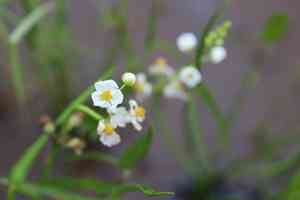
Relocate broadleaf arrowhead as the cold recedes; the revitalizing period of spring's warmth is optimal. Select damp environments, close to aquatic features for perfect development. Should it be necessary, carefully separate the roots, guaranteeing each segment flourishes afresh.
What Preparations are Needed Before Transplanting Broadleaf Arrowhead?
What is the Ideal Time for Transplanting Broadleaf Arrowhead?
The start of the growth cycle, specifically the renewal period right after the last frost, is perfect for relocating broadleaf arrowhead. This timing allows the plant ample opportunity to settle in before the intensity of summer. Moving broadleaf arrowhead to its new spot during this window encourages strong root development, providing a solid base for the coming year. Additionally, mild temperatures and spring moisture offer optimal conditions for broadleaf arrowhead to flourish post-transplant, boosting its growth prospects and ensuring a smooth transition.
How Much Space Should You Leave Between Broadleaf Arrowhead Plants?
When planting broadleaf arrowhead, it's crucial to provide them with adequate room to expand. Aim for a spacing of 1-2 feet (30-60 cm) between each plant. This ensures they have sufficient area to thrive without competing for resources. It's a simple step that yields significant benefits!
What is the Best Soil Mix for Broadleaf Arrowhead Transplanting?
Broadleaf arrowhead thrives in loamy soil rich in organic matter. A week before transplanting, amend the soil by incorporating compost or a balanced granular fertilizer. This will provide broadleaf arrowhead with a nutrient-dense foundation to begin its growth. Always remember, healthy soil leads to a happy plant!
Where Should You Relocate Your Broadleaf Arrowhead?
When selecting a site for broadleaf arrowhead, remember they require full sun to partial shade. This means finding a spot where they can receive at least 6 hours of sunlight daily. Let's allow your broadleaf arrowhead to benefit from ample sunshine for more vigorous growth!
What Equipments Should You Prepare Before Transplantation Broadleaf Arrowhead?
Hand Trowel
For digging holes and carefully removing small amounts of soil while protecting the plant's roots.
Gardening Spade
Suitable for larger plants or when bigger holes are required.
Gardening Gloves
To safeguard your hands during soil and plant handling.
Watering Can
To thoroughly hydrate the broadleaf arrowhead before and after its relocation.
Pruning Shears
To trim the broadleaf arrowhead prior to transplanting, if necessary.
Gardening Fork
Useful for loosening the soil around the plant during both its extraction and replanting.
Wheelbarrow or a Large Bucket
To move the broadleaf arrowhead from its original spot to its new home.
How Do You Remove Broadleaf Arrowhead from the Soil?
How Do You Remove Broadleaf Arrowhead from the Soil?
From Ground: Water the broadleaf arrowhead plant thoroughly the day before transplanting. This moistens the soil, making it easier to work with. Next, using a gardening spade or fork, begin digging approximately a foot away from the stem to avoid damaging the root system. Once you've dug a wide circle around the plant, carefully lift it from the ground, preserving as much of the root ball as possible. Place it gently in a wheelbarrow or large bucket, ensuring it's well-supported to prevent root damage.From Pot: Similar to ground removal, water your broadleaf arrowhead plant a day before transplantation. Invert the pot and gently tap it to release the plant. If the plant is resistant, use a knife to loosen the soil around the inside edge of the pot, but do so gently to avoid harming the roots.From Seedling Tray: Keep the seedling tray consistently watered. When the broadleaf arrowhead seedlings develop two leaves, they are ready for transplant. Use a spoon or small trowel to carefully scoop out the seedling along with its root ball. Be extremely gentle to prevent damage to the delicate roots.
Step-by-Step Guide for Transplanting Broadleaf Arrowhead
Preparation
Prepare the new site by digging a hole that is twice as wide and the same depth as the broadleaf arrowhead's root ball. The plant should rest at the identical soil level as before, neither too deep nor too shallow.
Placing the Plant
Position the broadleaf arrowhead in the hole, ensuring its roots are spread out. Avoid overcrowding, as this can stress the plant.
Backfilling
Refill the hole with the original soil. Do not compact it too tightly, as roots require air circulation.
Watering
Water the broadleaf arrowhead generously after planting to ensure the root ball is thoroughly saturated and to help settle the soil.
Mulching
Apply a layer of organic mulch around the plant, but keep it away from the stem. This helps retain moisture and suppress weeds.
How Do You Care For Broadleaf Arrowhead After Transplanting?
Watering
Maintain consistent moisture in the soil around the broadleaf arrowhead, but avoid waterlogging. The initial few weeks, especially in warm weather, require regular watering to aid the plant's recovery and establishment.
Pruning
Prune the broadleaf arrowhead only if it exhibits signs of stress, such as wilting or yellowing leaves. This will allow the plant to prioritize re-establishing its roots rather than supporting its entire foliage.
Checking
Monitor the broadleaf arrowhead plant for any signs of pests or diseases. Although broadleaf arrowhead is generally pest-resistant, stressed plants can be more vulnerable.
Troubleshooting Common Issues with Broadleaf Arrowhead Transplantation.
When is the ideal time to transplant my broadleaf arrowhead?
The optimal period to relocate your broadleaf arrowhead is during S1. This provides the plant ample time to recover and adjust to its new surroundings before the growing season.
What is the appropriate spacing between broadleaf arrowhead plants while transplanting?
You should aim for approximately 1-2 feet (30-60 cm) between each broadleaf arrowhead plant. This distance ensures they have sufficient room to grow without competing for resources.
Why is the broadleaf arrowhead I transplanted wilting?
Wilting after transplanting is often a sign of shock. Ensure the broadleaf arrowhead is adequately watered and situated in a location with optimal light conditions to aid its recovery.
How deep should the transplant hole be for the broadleaf arrowhead plant?
The hole should be deep enough to fully accommodate the broadleaf arrowhead plant's root ball. This significantly enhances the chances of your plant's survival and growth.
How do I ensure successful transplanting of the broadleaf arrowhead plant?
Prepare the planting area in advance, dig a suitably sized hole, gently place the broadleaf arrowhead in the hole, and backfill the soil around the root ball, ensuring it is secure.
Do I need to water my broadleaf arrowhead immediately after transplanting?
Absolutely! Prompt watering ensures the plant recovers faster from transplant shock. It helps settle the soil around the roots, providing stability and immediate hydration.
Do I need to prune my broadleaf arrowhead prior to transplanting?
Some pruning can be beneficial. It helps balance out the loss of root mass and reduces stress on the plant during the relocation process.
Why is my recently transplanted broadleaf arrowhead turning yellow?
Yellowing leaves can indicate stress or inadequate soil conditions. Check soil pH and moisture levels. It may simply need time to adapt to its new location.
Should I add fertilizer when transplanting my broadleaf arrowhead plant?
Fertilizing can be beneficial, however, immediately after transplanting the broadleaf arrowhead it may be too stressful. Wait a few weeks for the plant to acclimate to its new surroundings first.
Can I transplant my broadleaf arrowhead any time throughout the year?
While technically feasible, it's best to transplant during S1. This minimizes stress and gives the broadleaf arrowhead the optimal chance to establish in its new location.



