How to Transplant Sugarcane?
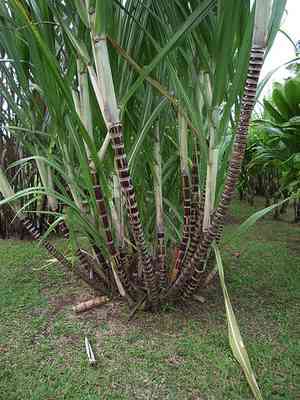
To achieve optimal outcomes with sugarcane, relocate it during the prime window of mid-spring through early summer, when warmth and environmental factors encourage robust development. Select a bright spot with soil that drains effectively for the transplantation. Bear in mind, a bit of additional attention during this vital phase yields significant benefits!
Essential Preparations Before Relocating Sugarcane?
Optimal Period for Sugarcane Relocation?
The ideal window for moving sugarcane falls between mid-spring and early summer. This timeframe encourages vigorous development, enhances survival rates, and aids in establishing robust root systems. A gentle reminder to align with nature's schedule for successful sugarcane transplantation!
Required Spacing Between Sugarcane Plants?
For sugarcane, ample room for development is crucial! Ideally, position your plants approximately 6-8 feet (1.8-2.4 meters) apart. This guarantees sufficient area for them to expand and flourish.
Best Soil Blend for Sugarcane Relocation?
To provide our sugarcane plants with the best start, ensure the use of well-draining soil, a blend of sand, silt, and clay, such as loam or sandy loam. Incorporate organic matter, like aged compost or well-rotted manure, and a balanced base fertilizer (N-P-K) to foster healthy growth.
Optimal Site for Sugarcane Relocation?
Location, location, location! Sugarcane thrives in sunlight, so select a garden spot receiving full sun or very light shade -- at least 6 hours of direct sunlight daily. This will help your plants grow strong and yield abundant sweetness!
Necessary Equipment Before Sugarcane Transplantation?
Gardening Gloves
Crucial for keeping hands clean and safeguarding them from sharp roots or implements.
Spade or Shovel
Utilized for excavating the transplant hole and extracting the sugarcane from its initial position.
Wheelbarrow
Convenient for moving the sugarcane plant from its original spot to its new location.
Watering Can or Hose
Essential for saturating the soil post-planting.
Mulch
To assist in retaining soil moisture and reducing weed competition.
Method for Extracting Sugarcane from Soil?
Method for Extracting Sugarcane from Soil?
From Ground: Begin by moistening the soil around the sugarcane until it is damp. This facilitates plant removal and helps mitigate transplant shock. Using a spade or shovel, carefully dig a wide circle around the plant, ensuring sufficient distance to avoid root system damage. Once the soil is loosened, slide the spade beneath the roots and gently lift the plant from the ground.From Pot: Water the sugarcane and wait a few minutes, then tilt the pot on its side and carefully pull out the plant while supporting its base. Exercise caution to prevent damage to the root ball.From Seedling Tray: Dampen the soil surrounding the sugarcane seedling, then use a dinner spoon to lift out the seedling, ensuring to retrieve as much of the root system as possible to prevent harm.
Step-by-Step Guide for Sugarcane Transplantation
Preparation
Once the sugarcane is removed from its original spot, prepare the new planting hole. It should be twice as wide and the same depth as the sugarcane's root ball.
Plant Placement
Position sugarcane in your prepared hole, ensuring the top of the root ball is level with the ground. Adjust soil beneath the root ball if needed.
Backfilling
Fill in around the sugarcane with soil, pressing down gently to eliminate air pockets, but avoid compacting it too tightly as this can hinder root growth.
Watering
Immediately after planting, thoroughly water the sugarcane to ensure the soil settles well around the roots.
Mulching
Apply a layer of mulch around the plant's base. This will help the soil retain moisture, keep roots cool, and suppress weed growth.
Post-Transplantation Care for Sugarcane?
Irrigation
While the sugarcane establishes itself in its new location, ensure the soil remains consistently moist. Neglecting this could lead to plant stress and potential demise.
Pruning
Approximately two weeks after transplanting, prune the sugarcane. This encourages branching and a more compact growth habit.
Pest Control
Monitor for pests. If observed, employ appropriate, safe insecticides or pest management strategies.
Fertilizing
Wait until new growth appears before feeding the sugarcane plant. Use a balanced plant food and adhere to label instructions.
Resolving Common Sugarcane Transplantation Issues.
When is the optimal time to transplant sugarcane?
The best period to transplant sugarcane is during mid-spring to early summer for superior growth outcomes.
What is the recommended spacing for transplanting sugarcane?
Maintain a distance of 6 - 8 feet (1.8 - 2.4 meters) between each sugarcane to prevent overcrowding and foster healthy development.
What soil type is most suitable for sugarcane?
Sugarcane thrives best in deep, well-draining, loamy soil. The rich organic matter in such soil provides ideal growing conditions.
How much sun exposure does sugarcane require after transplanting?
Sugarcane demands ample sunlight. Post-transplanting, ensure it receives full sun exposure for at least 6-8 hours daily.
What precautions should be taken during sugarcane transplantation?
Gently separate sugarcane from its initial spot without harming its root structure. Rough handling can stress the plant, leading to poor growth.
What should be the initial watering frequency when transplanting sugarcane?
Sugarcane is a water-intensive crop. Water daily for the first week after transplanting, then adjust as needed based on local weather.
How should sugarcane tops be managed during transplanting?
You can trim the tops to about 10 inches (25 cm) to reduce water loss from evaporation and redirect more energy to root development.
Are fertilizers necessary after transplanting sugarcane?
Fertilization enhances growth and yield. A balanced fertilizer rich in nitrogen, potassium, and phosphorus is generally suitable for sugarcane.
If sugarcane shows poor growth post-transplanting, what could be the causes?
Insufficient watering, nutrient deficiency, or inadequate sunlight can be common problems. Check soil moisture, nutrition, and sun exposure levels to diagnose.
Do sugarcane stumps require special attention during the transplanting process?
Yes, the stumps should be lightly moistened before transplantation. This helps provide essential moisture to the buds from the outset.



