How to Transplant Minnieroot?
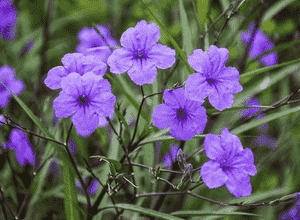
As spring's invigorating touch graces the ground, it presents the ideal period to relocate minnieroot, guaranteeing a smooth transition to a bright, adequately drained site. Select an area where neighboring plants thrive under comparable cultivation practices.
What Preparations are Needed Before Transplanting Minnieroot?
What is the Ideal Time for Transplanting Minnieroot?
The optimal period for relocating minnieroot is during the spring season, a time of rejuvenation and robust development. During this phase, mild temperatures and extended daylight hours create an ideal setting for root establishment. Moving minnieroot at this time allows it to fully benefit from the upcoming warm months, developing a strong root system before the stresses of summer heat or winter cold. This timing not only ensures a smooth transition for minnieroot but also improves its chances of flourishing year after year, paving the way for abundant blooms.
How Much Space Should You Leave Between Minnieroot Plants?
When preparing to transplant your minnieroot, ensure each plant is positioned approximately 1-2 feet (30-60 cm) apart. This provides ample space for growth without overcrowding. This small detail can significantly impact their development!
What is the Best Soil Mix for Minnieroot Transplanting?
For minnieroot, you should prepare soil that drains effectively. Incorporate a foundational fertilizer rich in organic material to promote a healthy start. If feasible, utilize a blend of loam, sand, and compost for superior outcomes.
Where Should You Relocate Your Minnieroot?
Select a site for your minnieroot that receives partial to full sun exposure. This means the location should get sunlight for at least 4-6 hours daily. However, it should also offer some shade during the intense afternoon sun for optimal growth.
What Equipments Should You Prepare Before Transplantation Minnieroot?
Gardening Gloves
To safeguard your hands while handling soil and plants.
Shovel or Spade
To excavate the minnieroot from its current spot or to dig a new hole.
Pruning Shears
To trim the minnieroot's roots if necessary prior to replanting.
Garden Trowel
Smaller than a shovel, this tool is useful for moving smaller plants or those in containers.
Watering Can or Hose
To irrigate the minnieroot in its new location.
Wheelbarrow
This is convenient if you need to transport the minnieroot over a distance. It can also serve as a receptacle for excavated soil.
Mulch
After transplanting, mulch can be applied to help the minnieroot retain moisture as it settles into its new environment.
How Do You Remove Minnieroot from the Soil?
How Do You Remove Minnieroot from the Soil?
From Ground: First, water the minnieroot to moisten the soil. Then, dig a wide trench around the plant using a shovel or spade, ensuring the plant's root ball remains intact. Carefully work the spade beneath the root ball to lift the plant from its original position.From Pot: Water the minnieroot and tilt the pot onto its side. Gently tap the bottom and sides of the pot to loosen the plant. Grasp the plant as close to its base as possible and carefully ease it out of the pot.From Seedling Tray: Water the minnieroot first to facilitate easier seedling removal. Gently push up from the bottom of the tray to dislodge the seedling. Be careful not to pull the seedling by its stem as this may cause damage or breakage.
Step-by-Step Guide for Transplanting Minnieroot
Preparation
Begin by thoroughly watering the minnieroot in its original location a day before transplanting to facilitate removal and minimize shock.
Digging
Using a shovel or spade, start digging a hole where you plan to transplant minnieroot. The hole should be twice as wide as the root ball and deep enough to accommodate the roots.
Placement
Gently position the minnieroot in the hole. The top of the root ball should be level with the surrounding soil.
Filling
Fill the hole halfway with soil and water it. Allow the water to drain, then fill the rest of the hole with soil.
Watering
Thoroughly water the minnieroot after transplanting to help it establish in its new location.
How Do You Care For Minnieroot After Transplanting?
Checking
Observe the minnieroot daily for the initial week, then regularly thereafter. Look for indications of transplant shock, such as wilting, yellowing, or dropped leaves.
Protection
Depending on the season and your local climate, consider using a shade cloth or cover to shield the newly planted minnieroot from harsh weather conditions.
Mulching
Apply a layer of mulch around the base of the minnieroot to help retain moisture. Opt for organic mulches like compost, leaf mold, or well-rotted manure. Avoid piling it directly against the stem to prevent rot.
Care for Growth
Once the minnieroot begins new growth, it signifies full adaptation to its new location. You can now reduce watering and resume your regular care routine.
Troubleshooting Common Issues with Minnieroot Transplantation.
What's the ideal season for transplanting minnieroot?
The optimal transplanting period for minnieroot is within the 1st to 3rd season. This ensures prime growth and survival.
Starting with a potted minnieroot, how deep should the hole be?
Excavate a hole twice as wide and the same depth as the minnieroot's current pot. This is typically about 10 inches (25 cm) deep.
What should be the ideal spacing between the minnieroot plants?
Maintain an ideal distance of 1-2 feet (30 to 60 cm) between your minnieroot plants. This provides ample room for development.
Do I need to add some compost or fertilizer when transplanting minnieroot?
Yes, enriching your hole with a small amount of compost or organic matter can give minnieroot a boost. However, avoid excessive fertilization as it might harm the plant.
What is the proper water requirement after transplanting minnieroot?
Once minnieroot is transplanted, water it thoroughly. Afterward, keep the soil consistently moist but not waterlogged – overwatering can be detrimental to the plant.
Can I transplant minnieroot in a container?
Absolutely! Just ensure the container is sufficiently large, typically around 10 inches (25 cm), and has adequate drainage to prevent water accumulation.
What kind of sunlight does minnieroot prefer after being transplanted?
Minnieroot thrives in full sun to partial shade. Once transplanted, choose a spot that meets this requirement for the healthiest growth.
What should I do if the newly transplanted minnieroot shows signs of wilting?
Wilting after transplantation is common. Ensure it receives enough water, but avoid overwatering. You should also shield it from direct sunlight until it recovers.
Which type of soil should be selected when transplanting minnieroot?
Minnieroot flourishes in well-drained soil rich in organic matter. Avoid heavy clay soils, as they can lead to waterlogging.
After transplanting, when should I start feeding minnieroot?
Wait for 2-3 weeks after transplanting before you begin feeding minnieroot. By this point, roots have usually settled, and the plant can efficiently utilize nutrients.



