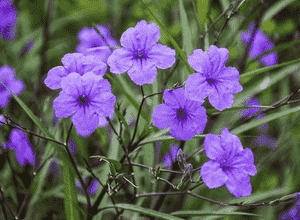
Minnieroot (Ruellia tuberosa)
Also known as: Popping pod, Sheep potato, Fever root
For optimal growth of minnieroot (Ruellia tuberosa), aim for a warm, tropical environment with well-drained, moderately moist soil. This plant flourishes in full sun to partial shade. Regular watering is important, though avoid waterlogged conditions. While it can become quite prolific, potentially invasive, its abundant blooms attract pollinators like hummingbirds, thanks to their tubular shape. Occasional fertilization and good soil aeration will further support its growth.
In This Article
Attributes of Minnieroot
Lifespan
Perennial, Biennial
Plant Type
Herb
Plant Height
20 cm to 30 cm
Spread
Usually up to 45 cm
Leaf Color
Green
Flower Size
2.5 cm to 5 cm
Flower Color
Purple White Pink Blue Mauve
Images of Minnieroot
Quickly Identify Minnieroot
1
Identify Ruellia tuberosa by its distinctive bright purple tubular flowers, opposite lanceolate leaves, and swollen tuberous roots.
Scientific Classification of Minnieroot
Phylum
Vascular plants
Class
Dicotyledons
Order
Lamiales
Family
Acanthus
Genus
Wild petunias
Species
Minnieroot
Planting and Growing of Minnieroot
Care Difficulty
Easy
Watering Schedule
Every 2 days
Sunlight Requirements
Partial sun
Sunshine Duration
4-8 hours
Ideal Temperature
70-85℉
Soil Type
Potting Mix, Peat Mix
Soil pH
6.5-7.5
Fertilizer Type
Balanced
Pruning Season
Spring, Summer
Pruning Area
Branches, Leaves
Pruning Frequency
2 times a year
Repotting Season
Spring
Pot Type
Plastic, Ceramic
 How to Water Minnieroot?
For Ruellia tuberosa, it is important to ensure the soil is moist but not waterlogged. Water until the top 2-3 inches of soil feel damp, allowing excess to drain out. Adequate drainage is crucial to prevent root rot.
What are the symptoms of an underwatered Minnieroot?
›
What should I do if my Minnieroot is not getting enough water?
›
What are the symptoms of an overwatered Minnieroot?
›
How to save an overwatered Minnieroot?
›
 What Are the Sunlight Requirements for Minnieroot?
Partial sun or full sun conditions, with robust growth under 6 to 8 hours of sunlight. Proper light supports vigorous flowering and healthy foliage, maximizing natural growth processes.
More About Sunlight Requirements Techniques→
What is the ideal light condition for Ruellia tuberosa?
›
How can you achieve these lighting conditions?
›
What are the benefits of ideal lighting for Ruellia tuberosa?
›
 What Is the Ideal Temperature Range for Minnieroot?
For Ruellia tuberosa, the ideal temperature range lies between 70°F and 85°F. This range provides optimal conditions for growth and ensures that the plant can thrive without exposure to thermal stress. It is important because, within this temperature band, metabolic processes occur efficiently, leading to healthier and more vibrant plant development.
 What Soil is Best for Minnieroot?
Ruellia tuberosa requires well-drained soil to prevent root rot and promote healthy growth. Ensuring the soil doesn't retain too much water allows the plant to thrive in its natural state by simulating its native environment, reducing stress and encouraging prolific blooming. This plant benefits from soil rich in organic matter, which provides the essential nutrients for robust health. A nutrient-dense medium supports vigorous plant growth and enhances the vibrancy of its flowers, making for a more visually appealing garden. While Ruellia tuberosa can withstand dry conditions, it flourishes best with moderate moisture levels in the soil. Maintaining balanced moisture helps the plant sustain its lush greenery and ensures optimal conditions for flowering.
 How to Fertilize Minnieroot?
Ruellia tuberosa thrives with moderate fertilization. When using liquid fertilizer, apply 2 teaspoons per gallon of water. For slow-release fertilizers, use about 1/4 cup per square foot of soil area. This amount is balanced to promote healthy growth without overwhelming the plant.
 How to Prune Minnieroot?
Begin by using sterile, sharp scissors or pruning shears. Focus on removing dead or yellowing leaves and stems first. Trim the stems just above a leaf node to encourage new, bushier growth. Ensure to make clean cuts to avoid damaging the plant tissue. For optimal blooming, you can also pinch the tips of new growth regularly.
More About Pruning Techniques→
 How to Propagate Minnieroot plant?
1
Collect seeds from mature Ruellia tuberosa when the seed pods are dry and beginning to split. Store the seeds in a cool, dry place until ready to plant.
2
Choose healthy stems and cut 4-6 inch segments with leaves intact. Remove any lower leaves that may sit below the soil line when planted.
3
Mix a well-draining potting mix and fill pots or trays. Moisten the soil slightly before planting seeds or cuttings to ensure proper hydration.
 How to Repot Minnieroot plant?
1
Repot Ruellia tuberosa when roots start to overflow the pot’s drainage holes, or when the plant growth noticeably slows down. These signals indicate the plant has outgrown its current container and needs more space to thrive.
2
Select a pot slightly larger than the current one, with adequate drainage holes. This allows for root expansion without overwhelming the plant with excess soil, which could retain unnecessary moisture and promote root rot.
3
Opt for a well-draining potting mix, ideally one that combines sand and organic matter. This kind of soil prevents waterlogging, ensuring roots have enough air and reducing the risks of fungal infections.
Learn More About Minnieroot Diseases
Anthracnose
Bacterial Leaf Spot
Bacterial Wilt
Chemical Injury
Damping-off
Downy Mildew
Drought Stress
Fusarium Wilt
Gray Mold
Leaf Curl
Leaf Spot
Mosaic
Nutrient Deficiency
Nutrient Toxicity
Powdery Mildew
Root Rot
Root-knot Nematode
Rusts
Sooty Mold
Spider Mites
Temperature Stress
Thrips Damage
White Mold



