How to Transplant Himalayan blackberry?
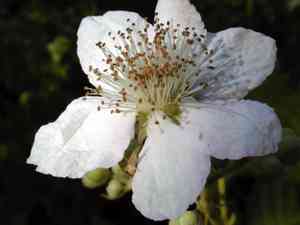
The most favorable period for relocating himalayan blackberry is from late spring to early summer, when temperatures are mild, which guarantees strong root development. Select a growing medium that drains effectively and a spot with ample sunlight to encourage energetic proliferation. Provide himalayan blackberry with regular hydration after moving it to facilitate a seamless adjustment.
Preparations Required Before Relocating Himalayan Blackberry
Optimal Period for Moving Himalayan Blackberry
The ideal timeframe for relocating himalayan blackberry is during the transition from late spring to early summer. This period offers mild temperatures and gentle sunlight, allowing himalayan blackberry ample opportunity to establish roots without the stress of extreme weather. Moving himalayan blackberry then aligns with its natural growth cycle, promoting robust development and a smooth adjustment to its new location. Undertaking this gardening task in this season enhances himalayan blackberry's chances for flourishing, ensuring abundant growth year after year.
Recommended Spacing Between Himalayan Blackberry Plants
When preparing to move your himalayan blackberry, ensure adequate spacing between each plant. A distance of 3-5 feet (0.9-1.5 meters) is optimal, enabling them to spread and thrive.
Best Soil Blend for Himalayan Blackberry Relocation
Your himalayan blackberry will perform best in soil that drains well. Be sure to incorporate a basic fertilizer into the soil before planting. This will supply the necessary nutrients for your plant to flourish.
Choosing a New Location for Your Himalayan Blackberry
When selecting the site for your himalayan blackberry, remember their preference for sunlight. They require full sun, so choose a garden spot that receives ample daylight.
Equipment Needed Before Transplanting Himalayan Blackberry
Gardening Gloves
To safeguard your hands while handling the plant and soil.
A Shovel or Gardening Spade
For excavating the plant from its original spot and preparing a new hole for it.
Pruning Shears
A quality pair is essential for trimming and removing dried, dead foliage or stems prior to transplanting.
A Wheelbarrow or Plant Trolley
Useful for transporting himalayan blackberry if it is a larger specimen.
Watering Can
To thoroughly water himalayan blackberry after its relocation.
Organic Mulch
A layer of mulch can help keep himalayan blackberry's roots cool, retain moisture, and deter weed growth.
Stakes and Garden Ties
Himalayan blackberry can grow quite tall, necessitating additional support to prevent drooping or damage.
How to Extract Himalayan Blackberry from the Soil
How to Extract Himalayan Blackberry from the Soil?
From Ground: Begin by watering the himalayan blackberry to moisten the soil, which will facilitate digging. Next, excavate a trench around the plant using a shovel or spade, extending as far as the plant's stems reach to ensure the root system remains intact. Make sure the spade goes beneath the root ball, then carefully lift the plant from its original position and place it on a wheelbarrow or plant trolley for transport.From Pot: Water the himalayan blackberry to dampen the soil and turn the pot on its side. If the plant doesn't slide out, tap the pot a few times; the goal is to keep the root ball undamaged. Once out, inspect the roots and gently separate any compacted ones.From Seedling Tray: Carefully hold the himalayan blackberry by its leaves, avoiding the stem or roots, and lift it from its cell. Exercise extreme caution as the root system will be delicate and prone to breakage.
Step-by-Step Guide for Relocating Himalayan Blackberry
Hole Preparation
Dig a hole that is twice as wide and nearly as deep as the himalayan blackberry's root ball.
Plant Placement
Gently position the himalayan blackberry in the center of the hole, ensuring the top of the root ball is level with or slightly above the ground surface.
Backfill
Return the excavated soil to the hole, covering the roots. Apply gentle pressure around the base to stabilize the plant, but be careful not to harm the plant or its roots.
Watering
Thoroughly water himalayan blackberry until the surrounding soil is moist, but not waterlogged, ensuring all roots are settled.
Mulching
Apply a layer of organic mulch around the base, keeping it away from the stem, to prevent moisture loss and inhibit weed growth.
Support
Place stakes on opposite sides of the plant and secure them gently with garden ties.
Post-Transplantation Care for Himalayan Blackberry
Hydration
Water himalayan blackberry regularly, avoiding the foliage, to aid root establishment. Ensure proper drainage to prevent water accumulation.
Pruning
Remove any damaged or dead shoots with pruning shears to encourage new growth.
Support
Verify that the stakes are secure and add more ties if necessary as himalayan blackberry grows. Be careful not to tie too tightly, as this can restrict growth and potentially harm the plant.
Pest Inspection
Regularly check the himalayan blackberry for signs of pests or diseases. If detected, take a sample to your local nursery for identification and treatment recommendations.
Addressing Common Issues with Himalayan Blackberry Relocation.
When is the best time to move himalayan blackberry?
The optimal period to relocate himalayan blackberry is during late summer to early fall (S3-S4). This allows the plant more time to establish before winter.
How much space should I leave between himalayan blackberry when moving them?
For proper growth, himalayan blackberry should be planted 3-5 feet (90-150 cm) apart. This provides each plant with sufficient sunlight and nutrients.
Why are my relocated himalayan blackberry wilting?
Wilting can be attributed to stress from the relocation process. Ensure you water himalayan blackberry thoroughly immediately after transplanting and consistently thereafter. However, avoid overwatering.
How deep should I plant the himalayan blackberry?
The hole should be deep enough to encompass the himalayan blackberry's root ball. This is typically about 10-12 inches (25-30 cm) deep, depending on the root ball's size.
What soil type is best for moving himalayan blackberry?
Himalayan blackberry prefers well-drained soil with moderate fertility. Incorporate compost or organic matter to enhance soil structure and nutrients if needed.
Can I use fertilizers when relocating himalayan blackberry?
Yes, a slow-release fertilizer can be applied at the time of transplanting to promote growth. However, avoid excessive application as it can damage the roots.
How to water himalayan blackberry after relocation?
Initially, water himalayan blackberry thoroughly and frequently after transplanting. As it establishes, you can reduce watering. Remember himalayan blackberry prefers well-drained soil, so prevent waterlogging.
Is it necessary to stake himalayan blackberry after relocation?
Himalayan blackberry can become top-heavy as they mature, so staking might be required to provide support and encourage upright growth.
Why are my himalayan blackberry leaves yellowing after relocation?
Yellowing leaves could indicate a nutrient deficiency or water stress. Review your watering schedule and consider applying a balanced slow-release fertilizer.
What if my himalayan blackberry shows no growth long after relocation?
Himalayan blackberry might be experiencing transplant shock. It's normal for growth to slow as the plant adapts. Ensure you are providing appropriate careâadequate water, sunlight, and spacing.



