How to Transplant Dog rose?
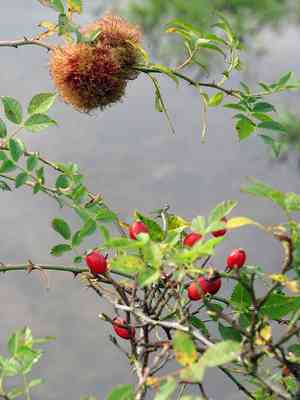
The optimal period for relocating dog rose is in the spring, capitalizing on its robust development. Select a bright spot featuring soil that drains effectively. When transplanting dog rose, guarantee that root disruption is kept to a minimum to facilitate an easy adjustment.
Essential Preparations Before Relocating Dog Rose
Optimal Period for Dog Rose Relocation?
The best time to move dog rose is during its spring revival, providing the finest opportunity for root establishment. This timeframe allows dog rose to flourish before summer's heat. Moving dog rose in this season promotes vigorous development, as cooler temperatures and increased rainfall create perfect conditions for root growth, ensuring a successful transfer.
Recommended Spacing Between Dog Rose Plants?
When moving your dog rose, aim for a distance of approximately 6-8 feet (1.8-2.4 meters) between plants. This provides ample room for growth and development, minimizing competition for resources.
Ideal Soil Blend for Dog Rose Relocation?
Your dog rose will thrive in well-drained, sandy or loamy soil. Incorporate a base fertilizer, such as bonemeal, to supply crucial nutrients for your new planting. Ensure the fertilizer is thoroughly mixed with the soil.
Optimal Location for Your Dog Rose?
Select a sunny spot for your dog rose, ideally one receiving around six hours of daily sunlight. However, your plant is quite tolerant of shade and can manage in areas with some dappled light.
Equipment Needed Before Transplanting Dog Rose
Gardening Gloves
To safeguard your hands when handling dog rose and working with soil.
Shovel or Spade
Useful for excavating and lifting the plant from its original position.
Garden Trowel
Convenient for more precise, delicate digging tasks around the plant's root system.
Watering Can or Hose
Necessary for hydrating the plant both before and after its relocation.
Pruning Shears
For trimming the plant before and after transplanting, if required.
Gardening Fork
To ensure the ground soil is loose and well-aerated.
Wheelbarrow
To transport the plant if it is large or if multiple plants are being moved.
Stakes and Ties
These aid in supporting the dog rose upright after transplanting if needed.
How to Extract Dog Rose from the Soil?
How to Extract Dog Rose from the Soil?
From Ground: First, hydrate the dog rose plant to moisten the soil. Then, use a shovel or spade to dig a wide trench around the plant, ensuring the root ball remains intact. Carefully maneuver the spade beneath the root ball to effectively lift the plant from its current spot.From Pot: Begin by thoroughly watering the dog rose pot. Tilt the pot sideways and, while gently pulling the plant's base, tap the pot's rim on a firm surface to loosen it. Carefully remove the plant once it starts to slide out. Avoid pulling by the stem as it might harm the plant.From Seedling Tray: Water the trays thoroughly before transplanting so the soil holds together and seedlings are easily removed. Gently push up the base of each cell, and carefully lift the dog rose seedlings by their leaves to extract them from the tray.
Step-by-Step Guide for Relocating Dog Rose
Root Preparation
One month prior to transplanting, dig a trench around the dog rose to be moved. Refill with the original soil. This encourages the development of new roots.
Site Preparation
Prepare the new planting hole before excavating the dog rose, ensuring it's twice as wide as the root ball but of equal depth. Confirm the dog rose site has adequate drainage.
Excavation
Dig around the dog rose root ball using a spade, then gently lift it to prevent damage. For large dog rose, consider using a wheelbarrow for transport.
Placement
Position the plant in the hole, ensuring it's at the same depth as its original location. Backfill the hole with soil, making sure there are no air pockets that could dry out the roots.
Initial Watering
Thoroughly water the dog rose after transplanting. Use a slow, steady stream to deeply hydrate it, which helps the plant settle into its new environment.
Support System
If the dog rose is tall or unstable, stake it to protect against wind damage.
Post-Transplant Care for Dog Rose
Watering Regimen
Water the dog rose consistently and deeply for the initial weeks after transplanting; this aids root establishment in the new location. Avoid excessive watering, which can lead to root rot.
Observation
Inspect your dog rose daily for any indications of stress, such as wilting or drooping foliage. If observed, ensure the plant is properly watered and the soil drains well.
Pruning
Remove any dead or yellowed leaves to redirect the plant's energy towards root development. If the dog rose was heavily pruned during transplanting, wait for new growth before further significant pruning.
Fertilizer Restriction
Refrain from adding extra fertilizer for several weeks to avoid over-stressing the plant.
Resolving Common Dog Rose Transplant Issues
Optimal Season for Dog Rose Transplant?
The best period to transplant dog rose is between spring and early summer. This timeframe ensures optimal growth for the plant.
Recommended Spacing for Transplanted Dog Rose?
When transplanting dog rose, maintain a distance of 6-8 feet (1.8-2.4 meters) between each plant. This provides ample room for growth.
Appropriate Hole Depth for Dog Rose Transplant?
Excavate a hole that is twice the width and equal to the depth of the dog rose's root ball. This promotes easy root expansion.
Ensuring Dog Rose Survival After Transplant?
Ensure dog rose receives sufficient water, especially during the first few weeks post-transplant. However, be cautious not to overwater it.
Dog Rose Sunlight Requirements After Transplant?
Dog rose prefers full sun to partial shade. A minimum of 4-6 hours of daily sunlight will maintain its health.
Suitable Soil Type for Transplanting Dog Rose?
Dog rose thrives best in well-drained soil. Incorporating organic matter into the planting hole can enhance soil quality.
Is Pruning Necessary After Dog Rose Transplant?
Immediate pruning is not required after transplanting dog rose, but regular light pruning can lead to a healthier and more attractive plant over time.
Ideal Temperature for Dog Rose Transplant?
The optimal temperature range for transplanting dog rose is between 50-70°F (10-21°C). Extreme temperature fluctuations can be harmful.
Watering Frequency for Dog Rose Post-Transplant?
Water dog rose thoroughly after transplanting, ensuring the soil is moist but not waterlogged. Adjust watering frequency based on environmental conditions.
Recommended Fertilizers for Dog Rose Post-Transplant?
While dog rose isn't particular, a balanced slow-release fertilizer can provide a good start after transplanting. It will replenish vital soil nutrients.



