How to Transplant Chinese sumac?
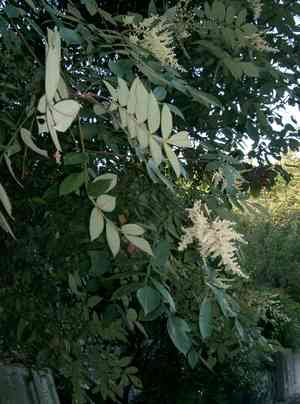
The optimal period for relocating chinese sumac is in the mild warmth of late spring, which allows for strong root development prior to the intense summer heat. Select a location that receives ample sunlight and has soil that drains effectively. Should it be necessary, enrich the soil with organic material to encourage vigorous growth.
What Preparations are Needed Before Transplanting Chinese Sumac?
What is the Ideal Time for Transplanting Chinese Sumac?
The best time to move chinese sumac is from mid-spring to early summer. This period allows the plant to develop its root system before the summer heat, ensuring vigorous growth. Relocating chinese sumac during this window maximizes its potential for development, facilitates smooth adjustment to its new site, and utilizes mild weather for root establishment. By choosing this season, you provide chinese sumac with the optimal start in its new home, with natural conditions supporting successful integration.
How Much Space Should You Leave Between Chinese Sumac Plants?
When getting ready to transplant your chinese sumac, plan to provide ample room for each specimen. A good guideline is to allow approximately 4-5 feet (1.2-1.5 meters) between each plant. This will ensure they have sufficient space to thrive without competing for resources.
What is the Best Soil Mix for Chinese Sumac Transplanting?
To prepare the soil for chinese sumac, it's crucial to provide a well-draining foundation. Incorporating organic material into the soil can enhance its fertility and improve drainage. Adding a layer of base fertilizer, rich in nitrogen, phosphate, and potassium, will create a nutrient-dense environment for the chinese sumac.
Where Should You Relocate Your Chinese Sumac?
For the optimal placement of your chinese sumac, select a garden spot that receives full sun or partial shade. Chinese sumac thrives in sunlight, and adequate daylight hours will ensure your plant grows strong and healthy.
What Equipments Should You Prepare Before Transplantation Chinese Sumac?
Gardening Gloves
To safeguard your hands while handling soil and chinese sumac.
Shovel or Spade
To excavate the hole for the chinese sumac and to extract it from its original spot.
Pruning Shears
To remove any damaged or dead branches or roots.
Garden Trowel
To shape the cavity where the chinese sumac will be replanted.
Watering Can
To hydrate the chinese sumac once it's in its new position.
Mulch
To help maintain soil moisture after transplanting.
How Do You Remove Chinese Sumac from the Soil?
How Do You Remove Chinese Sumac from the Soil?
From Ground: First, irrigate the chinese sumac plant to make the soil easier to manage. Then, using a shovel or spade, dig a wide circle around the plant, ensuring most of the root system remains intact. Work your way around and beneath the plant, gently lifting it from the ground.From Pot: Water the chinese sumac plant and allow it to absorb the moisture. Carefully tip the pot and ease the plant out, taking care not to pull on the stems or branches.From Seedling Tray: Use a small trowel or your fingers to gently lift each chinese sumac seedling by its root ball, attempting to keep as much soil around the roots as possible.
Step-by-Step Guide for Transplanting Chinese Sumac
Preparing the Plant
Use pruning shears to trim back any damaged or dead branches from the chinese sumac to encourage new growth after transplant.
Digging the Hole
Excavate a hole using a shovel or spade that is twice as wide and just as deep as the root ball of your chinese sumac plant.
Placing the Plant
Position your chinese sumac plant into the hole so that the top of the root ball is level with the ground. Fill half of the hole with soil, firm it around the base of the plant, and water it.
Adding Mulch
After backfilling around the plant with the remaining soil, water it again, then cover with a layer of mulch to retain soil moisture and regulate soil temperature.
How Do You Care For Chinese Sumac After Transplanting?
Watering
Regularly water your newly transplanted chinese sumac plant. Ensure the water penetrates deeply, encouraging the roots to do the same. Aim for frequent, lighter watering, rather than dousing it less often.
Pruning
Allow your chinese sumac plant to establish itself before heavy pruning, which can stimulate branch growth and give density to the plant.
Monitoring Growth
Keep a close watch on your chinese sumac plant to observe any changes in its color, foliage, or growth patterns. Signs of wilting, yellow leaves, or slow growth can indicate a problem requiring immediate attention.
Troubleshooting Common Issues with Chinese Sumac Transplantation.
What's the ideal period in a year to transplant chinese sumac?
The perfect timing for relocating chinese sumac is between the second and fourth seasons.
How far apart should I space chinese sumac when transplanting?
Ensure you transplant chinese sumac with sufficient room to grow, typically 4-5 feet (1.22-1.52 meters) apart.
After transplanting, how should I care for chinese sumac?
Water the chinese sumac immediately after transplanting. Regularly water it until it establishes roots.
What should the ideal depth of the hole be while transplanting chinese sumac?
Dig a hole twice the size of the root ball, roughly 10 inches (25 cm) deep.
Should I add any special amendments to the soil when transplanting chinese sumac?
Although chinese sumac can tolerate various soil types, amending with organic matter such as compost can boost its growth.
How should I prepare the chinese sumac for transplanting?
Prune any dead or damaged roots and leaves. This will minimise transplant shock and promote healthier growth.
What to do if the transplanted chinese sumac shows signs of wilting?
Wilting after transplanting can be normal. Ensure you're watering enough but not overdoing it. If the issue persists, consult with an expert.
Should I fertilise chinese sumac immediately after transplanting?
Wait for 2-4 weeks after transplanting before fertilising chinese sumac. This allows the plant to recover from any transplant shock.
Should I transplant chinese sumac in a sunny spot or a shady place?
Chinese sumac prefers full sun or partial shade. Be sure to consider the sunlight level of the transplant spot.
Are there any signs that my chinese sumac isn't transplanting well?
Common signs include wilting, yellowing, or dropping leaves. If you see these signs, revisit your watering and care process.



