How to Transplant Pacific rhododendron?
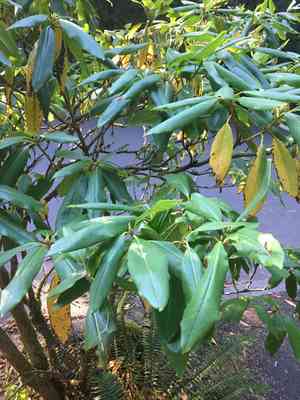
Relocate pacific rhododendron once winter's cold recedes, ideally at the start of spring, to foster vigorous development. Choose spots with filtered light, guaranteeing fertile, adequately draining earth. A careful transition to their new environment promotes flourishing beauty.
What Preparations are Necessary Before Relocating Pacific Rhododendron?
When is the Optimal Period for Moving Pacific Rhododendron?
The best time for relocating pacific rhododendron falls between late winter and early summer, ideally at the onset of spring's bloom, due to favorable weather and soil conditions for root establishment. This revitalizing period allows the pacific rhododendron to adapt and flourish in its new spot, boosted by the spring growth spurt. This timing also ensures the plant has ample opportunity to develop a strong root system before the rigors of summer heat.
How Much Space Should Be Allotted Between Pacific Rhododendron Plants?
When relocating, position each pacific rhododendron approximately 4-6 feet (1.2-1.8 meters) apart. This enables them to grow freely and prevents overcrowding. Remember, proper spacing promotes robust plants!
What is the Ideal Soil Mixture for Pacific Rhododendron Relocation?
Prepare a soil blend of peat moss, compost, and coarse sand. Pacific rhododendrons prefer well-drained, acidic soil. Additionally, apply a foundational fertilizer formulated for acid-loving plants. This will aid your plant's prosperity.
Where Should You Replant Your Pacific Rhododendron?
Select a site that receives partial shade: pacific rhododendron enjoys sunlight, but not an excessive amount. Morning sun with afternoon shade is the perfect scenario. Your lovely pacific rhododendron will reward you with magnificent blossoms!
What Equipment Should You Get Ready Before Transplanting Pacific Rhododendron?
Gardening Gloves
To safeguard your hands while working with the soil and plant material.
Shovel or Spade
Crucial for excavating the hole where the pacific rhododendron will be replanted.
Garden Trowel
Useful for fine-tuning the plant's placement in its new spot.
Wheelbarrow
For transporting the plant's root ball from its original location to the new one.
Secateurs or Pruners
For trimming any damaged roots or foliage.
Gardening Fork
Helpful for loosening the soil around the pacific rhododendron's initial position.
Garden Hose (or watering can)
For hydrating the plant before and after its relocation.
How Do You Extract Pacific Rhododendron from the Ground?
How Do You Extract Pacific Rhododendron from the Ground?
From Ground: Begin by saturating the area around the pacific rhododendron to soften the earth. Next, carefully dig around the plant using a spade or garden fork, ensuring the root ball remains intact. Gradually deepen and widen the trench beneath the root ball, then gently slide your spade underneath it. Aim to keep as many roots undamaged as possible while lifting the plant from its original spot.From Pot: Water the pacific rhododendron thoroughly, then tilt the pot sideways, using your hand to support the plant as you carefully ease it out. Never pull on the plant's stem; instead, press the pot's sides to loosen the soil and facilitate the plant's removal.From Seedling Tray: Gently place a small spatula or spoon beneath the soil and lift the seedling by leveraging the tool upwards, striving to keep the roots and surrounding soil intact. Remember to hold the pacific rhododendron by its leaves, not its stem, to prevent harm.
Step-by-Step Instructions for Relocating Pacific Rhododendron
Site Preparation
Excavate a hole at the chosen location that is twice the width and equal in depth to the plantâs root ball. This provides ample room for the roots to spread and grow into the surrounding soil.
Plant Placement
Position the pacific rhododendron in the hole so its top is level with the surrounding soil. Avoid planting it too deeply, as this can lead to root rot.
Backfilling
Refill the hole, compacting the soil around the base of the pacific rhododendron as you proceed, to eliminate any air pockets around the roots.
Watering
After relocating, thoroughly water your pacific rhododendron. This aids in settling the soil around the roots and minimizes transplant shock.
How Do You Care For Pacific Rhododendron After Relocation?
Trimming
If your plant appears stressed after being moved, consider lightly pruning its leaves to reduce its energy consumption. This allows the pacific rhododendron to prioritize establishing a strong root system.
Watering
Consistency is vital in the initial weeks post-relocation. Keep the soil around the pacific rhododendron moist (but not waterlogged) to help the roots settle.
Monitoring
Observe your plant closely. Yellow leaves or a slight droop are normal initially. If this condition persists or worsens, it may indicate the pacific rhododendron is struggling with the transition. Adjust its care promptly as needed.
Mulching
Applying mulch around the base can help retain moisture, suppress weeds, and assist the pacific rhododendron in adapting to its new environment.
Troubleshooting Common Issues with Pacific Rhododendron Relocation.
What are the optimal seasons for moving pacific rhododendron?
The ideal seasons to relocate pacific rhododendron are late winter to early spring (referred to as S1-S2). This allows the plant to establish roots before summer.
How deep should pacific rhododendron be planted?
Plant the specimen at the same depth it was growing in the nursery. The top of the root ball should be flush with the soil surface, not deeper.
What is the perfect spacing for pacific rhododendron when relocating?
Provide each pacific rhododendron sufficient room to expand. Ideally, position them 4-6 feet apart (1.2 - 1.8 meters). They will naturally reach for the sun!
What kind of soil do pacific rhododendron prefer?
Pacific rhododendron thrive in well-draining soil rich in organic matter. Check the pH as well! They favor a slightly acidic range between 4.5 and 6.0.
How much sunlight does pacific rhododendron require?
Pacific rhododendron flourishes in areas with filtered sunlight. Excessive direct sun can cause leaf burn, while too little can hinder growth.
How should I water newly relocated pacific rhododendron?
Keep the soil around pacific rhododendron consistently moist, but not saturated. Gravelly or sandy soils may necessitate more frequent irrigation.
Should I fertilize pacific rhododendron after relocating?
Yes, but wait approximately 2-4 weeks to allow pacific rhododendron to settle. Use a slow-release, balanced fertilizer to encourage healthy development.
What happens if the leaves of pacific rhododendron begin to yellow after relocating?
Yellowing leaves could signal too much sun or waterlogging. Adjust your care routine accordingly. If it persists, inspect for pests or disease.
Can I relocate pacific rhododendron in the summer?
Moving pacific rhododendron during the hot summer months can stress the plant. However, if unavoidable, ensure you water the plant thoroughly before and after the process.
What is the best approach to handling pacific rhododendron during relocation?
Handle pacific rhododendron with care. Dig widely around the root ball and keep as much soil intact as possible when lifting to prevent root damage.



