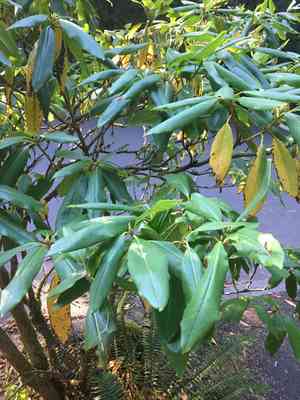
Pacific rhododendron (Rhododendron macrophyllum)
Also known as: California rhododendron, Big leaf rhododendron
The Coast Rhododendron (Rhododendron macrophyllum) is Washington State's official flower. This perennial evergreen shrub typically grows between 1.5 to 8 meters tall. Its bell-shaped flower clusters, which bloom from spring to summer, can be seen in shades from pink to deep purple. While poisonous to humans and animals, it flourishes in partial to full shade and prefers moist, well-drained soil.
Attributes of Pacific rhododendron
Images of Pacific rhododendron
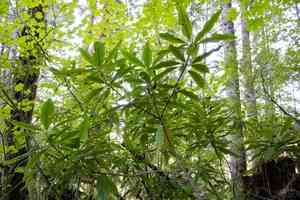
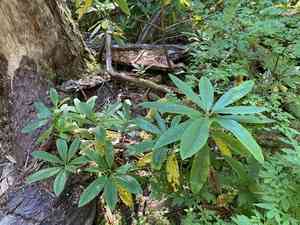
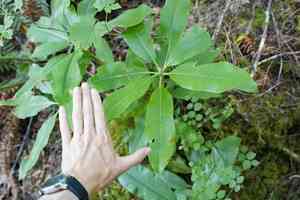
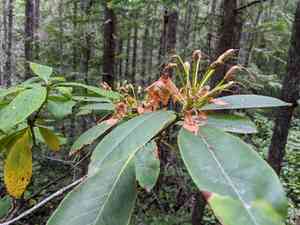
Quickly Identify Pacific rhododendron
Scientific Classification of Pacific rhododendron
Planting and Growing of Pacific rhododendron
 How to Water Pacific rhododendron?
 What Are the Sunlight Requirements for Pacific rhododendron?
 What Is the Ideal Temperature Range for Pacific rhododendron?
 What Soil is Best for Pacific rhododendron?
 How to Fertilize Pacific rhododendron?
 How to Prune Pacific rhododendron?
 How to Propagate Pacific rhododendron plant?
 How to Repot Pacific rhododendron plant?
Toxicity of Pacific rhododendron
Is Pacific rhododendron toxic to humans?
The Pacific rhododendron is known to harbor high concentrations of Grayanotoxin, a potent toxin found throughout its tissues. Individuals with sensitivities may experience skin rashes upon physical contact, while the pollen can provoke irritation to the mucous membranes. Ingestion of this plant can lead to severe symptoms including nausea, vomiting, arrhythmias, hypotension, and hallucinations in humans. Young children, particularly those who are small in size, are at increased risk for experiencing serious adverse effects. Grayanotoxin's potency is such that even honey produced from *Rhododendron* pollen can present harmful consequences.
Is Pacific rhododendron toxic to cat?
The Pacific rhododendron presents a considerable toxicity danger to felines. If a cat inadvertently consumes any portion of this plant, it can lead to poisoning. When a cat ingests pacific rhododendron, it may exhibit symptoms of physical distress or illness as a result of the toxic effects. Cat owners must vigilantly supervise their pets and restrict their access to pacific rhododendron in order to protect their health. If ingestion is suspected, it is crucial to urgently seek veterinary assistance to guarantee that the animal obtains the necessary treatment.
Is Pacific rhododendron toxic to dog?
The Pacific rhododendron is a plant that poses a significant toxic threat to dogs, which can result in serious health issues if consumed. It is possible for dogs to unintentionally ingest various parts of this plant, leading to toxic effects. The entire plant is considered harmful; thus, any ingested portion—whether leaves, flowers, stems, or roots—can lead to negative health outcomes. Symptoms of poisoning in dogs may manifest as vomiting, diarrhea, excessive salivation, lethargy, and in more severe cases, could progress to coma or even death without timely intervention. It is essential for dog owners to remain alert and ensure that their pets do not have access to the Pacific rhododendron. Should ingestion be suspected, seeking immediate veterinary assistance is vital to effectively manage symptoms and mitigate the risk of serious complications.



