How to Transplant Red mangrove?
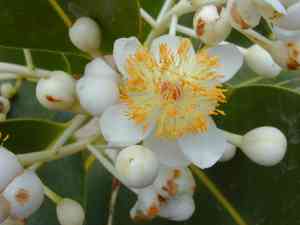
The optimal period for relocating red mangrove is during the transition from the cool, temperate conditions of early winter to the moderate warmth of mid-spring, which encourages vigorous development. Confirm that red mangrove is situated in an area receiving abundant sunlight and possessing excellent water conditions. A helpful tip: Provide red mangrove with sufficient room to flourish!
What Preparations are Needed Before Transplanting Red Mangrove?
What is the Ideal Time for Transplanting Red Mangrove?
The best time to move red mangrove is from the start of the cool season through early spring. Moving red mangrove during this period promotes strong root development while the weather is mild, lessening transplant shock and preparing the plant for vigorous growth when warmer conditions arrive. This timing allows red mangrove to settle in with the gentle warmth of spring, fostering a robust, healthy beginning in its new spot.
How Much Space Should You Leave Between Red Mangrove Plants?
When getting ready to rehome red mangrove, ensure each plant is spaced 16 to 33 feet (5-10 meters) apart. This provides them with ample room to spread their roots and thrive without competition.
What is the Best Soil Mix for Red Mangrove Transplanting?
For red mangrove, achieve the perfect soil by using a mix that drains well and is rich in organic material. A touch of balanced, slow-release fertilizer will give your red mangrove a comfortable start. Consider it a nutrient-dense snack for their roots!
Where Should You Relocate Your Red Mangrove?
These red mangrove love to soak up the sun! Pick a bright, sunny location where they will receive full to partial sunlight daily. Ensuring they are sun-kissed throughout the day will keep them content and thriving.
What Equipments Should You Prepare Before Transplantation Red Mangrove?
Gardening Gloves
To safeguard your hands when handling the roots and any sharp parts of red mangrove.
Shovel or Spade
For excavating the plant and creating a new hole in the ground.
Watering Can or Hose
To hydrate red mangrove both prior to and following transplantation.
Wheelbarrow
To move red mangrove from its original spot to the new site.
Secateurs or Pruning Shears
For trimming any damaged roots or unnecessary branches before relocating.
Measuring Tape
To ensure correct spacing between the new planting location and other plants or structures.
Stakes or Supports
To help red mangrove stand upright if needed in its new position.
Mulch
To aid in retaining soil moisture after transplanting.
How Do You Remove Red Mangrove from the Soil?
How Do You Remove Red Mangrove from the Soil?
From Ground: First, water red mangrove to moisten the soil, making it easier to manage. Carefully dig a trench around the plant, leaving a wide margin to avoid harming the root ball. Gently work your shovel beneath the root ball to free red mangrove from the ground.From Pot: Water red mangrove in the pot to facilitate the root ball's removal. Tilt the pot sideways and gently pull out red mangrove by the base of the main stem, not by the branches or prop roots.From Seedling Tray: Dampen the soil in the seedling tray to prevent root damage. Use a spoon or dibber to lift the root ball of red mangrove out of the cell without disturbing the delicate roots.
Step-by-Step Guide for Transplanting Red Mangrove
Prep Work
Put on your gardening gloves and gather all the necessary tools and equipment. Water the red mangrove gently before beginning the removal process to lessen transplant shock and ease its extraction from its current spot. This ensures a smoother transition for red mangrove.
Transplant Distance
Use your measuring tape to locate the appropriate spot for red mangrove in the ground, considering its mature size and its need for space to flourish.
Root Ball
Dig a hole in the new location that is twice as wide as the root ball of red mangrove and of the same depth. This provides the roots with ample room to spread.
Securing
If using, insert stakes or supports into the ground before planting red mangrove to ensure they do not harm the root ball. Position them to allow for growth and stability.
Planting
Place red mangrove in the center of the hole, adjusting the depth so that the plant is at the same level it was in its previous location. Replace the soil around red mangrove, patting down firmly to eliminate air pockets.
Watering
Water red mangrove thoroughly after planting to settle the soil and provide essential moisture for the roots. Use a watering can or hose with a gentle flow to prevent eroding the soil around the plant.
Mulching
Apply a layer of mulch around red mangrove to preserve soil moisture and regulate soil temperature. Keep the mulch a few inches away from the stem to prevent rot.
Final Check
Give red mangrove a gentle shake to ensure it is secure and not wobbly. Adjust the soil and supports if necessary. Take a step back to make sure red mangrove is aligned correctly and appears well-positioned in its new environment.
How Do You Care For Red Mangrove After Transplanting?
Regular Checks
Observe red mangrove daily to monitor its progress. Watch for signs of stress or wilting and adjust care as needed. This includes verifying that the stakes and supports are still functioning as intended.
Watering Schedule
Maintain consistent moisture around red mangrove without overwatering. Establish a watering schedule based on current weather conditions and adjust accordingly to ensure optimal growth.
Mulch Monitoring
Inspect the mulch periodically and replenish it if it begins to decompose or thin out, maintaining a consistent protective layer over the soil.
Gentle Prune
Trim any dead or damaged branches to direct red mangrove's energy towards establishing strong roots and new growth. Use your secateurs or pruning shears for clean cuts.
Support Maintenance
Check the stability of stakes and supports regularly, especially after strong winds or rains. Adjust them if necessary to keep red mangrove growing upright.
Pest Patrol
Keep an eye out for any signs of pests or diseases. Early detection and treatment can make all the difference in the successful establishment of red mangrove in its new location.
Troubleshooting Common Issues with Red Mangrove Transplantation.
When's the best time to transplant red mangrove?
Relocate red mangrove during the cool season, ideally from early winter to mid-spring, to minimize transplant shock.
How far apart should red mangrove be spaced when transplanting?
Space red mangrove 5-10 meters (16-33 feet) apart to ensure they have adequate room to grow and thrive.
What soil conditions favor red mangrove transplantation?
Select a spot with moist, well-draining soil rich in organic matter for red mangrove. Avoid waterlogged areas.
How deep should I dig the hole for red mangrove's roots?
The hole should be twice the width and the same depth as red mangrove's root ball.
Can I transplant red mangrove in full sunlight?
Yes, red mangrove requires full sun. Choose a location where it receives at least 6 hours of direct sunlight daily.
Is it necessary to water red mangrove right after transplanting?
Absolutely, thoroughly water red mangrove post-transplant to settle the soil and eliminate air pockets.
What steps should I take if red mangrove's leaves wilt after transplanting?
Ensure proper watering and provide shade from intense sun. Leaves typically recover as red mangrove acclimates.
How do I choose the best red mangrove specimen for transplant?
Select red mangrove with healthy, green foliage and a firm root ball. Avoid yellow or drooping leaves.
What signs indicate transplant shock in red mangrove?
Drooping or discolored leaves and stunted growth are common indicators red mangrove may be experiencing transplant shock.
How can I protect red mangrove from pests during transplant?
Inspect regularly for pests. If needed, use environmentally-friendly pesticides recommended for red mangrove.



