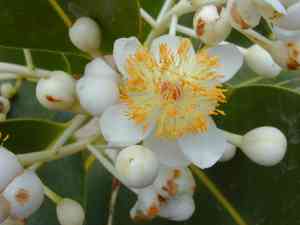
Red mangrove (Rhizophora stylosa)
Also known as: Long-style stilt mangrove, Small stilted mangrove
Rhizophora stylosa, often known as the mangrove apple, is a medium-sized mangrove species that can reach heights of up to 15 meters. The trunk's diameter can be as much as 25 centimeters. The bark varies in color from dark brown to nearly black. The tree produces ovoid to pear-shaped fruits, which can grow up to 5 centimeters in length.
In This Article
Attributes of Red mangrove
Lifespan
Perennial
Plant Type
Tree
Plant Height
15 m
Spread
Approximately 5 meters
Leaf Color
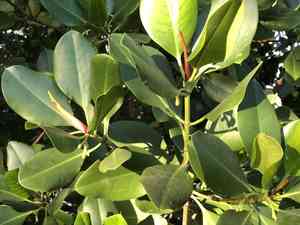
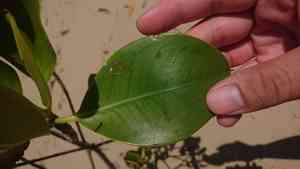
Dark green (upper surface), Pale green (underside)
Flower Size
1 cm to 2 cm
Flower Color
Yellow
Images of Red mangrove
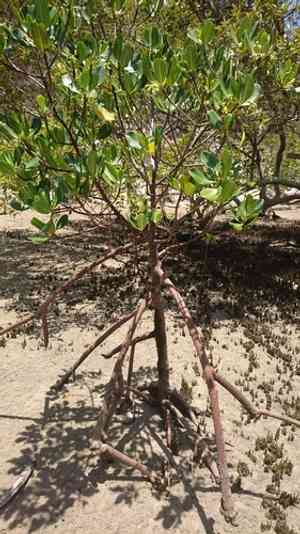
Quickly Identify Red mangrove
1
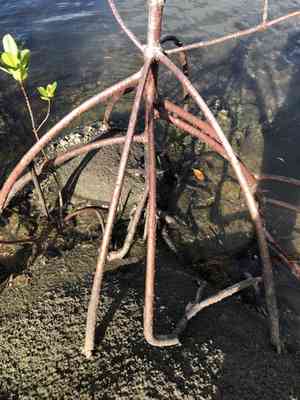
Identify Rhizophora stylosa by its characteristic stilt roots that elevate the trunk from the ground, making it easier to recognize among other mangroves. Its leaves are elliptic, with a dark green upper surface and a paler underside.
Scientific Classification of Red mangrove
Phylum
Vascular plants
Class
Dicotyledons
Order
Malpighiales
Family
Red mangrove
Genus
True mangroves
Species
Red mangrove
Planting and Growing of Red mangrove
Care Difficulty
Hard
Watering Schedule
Every 4 days
Sunlight Requirements
Full sun
Sunshine Duration
6-10 hours
Ideal Temperature
77-86℉
Soil Type
Potting Mix, Peat Mix
Soil pH
6.5-7.5
Fertilizer Type
Balanced
Pruning Season
Spring, Summer
Pruning Area
Branches, Leaves
Pruning Frequency
2 times a year
Repotting Season
Spring
Pot Type
Ceramic, Plastic
 How to Water Red mangrove?
For Rhizophora stylosa, watering should ensure the soil is thoroughly soaked without being waterlogged. Water about 500 ml each time, making sure the excess water drains off to prevent stagnation, simulating the plant’s natural coastal environment.
What are the symptoms of an underwatered Red mangrove?
›
What should I do if my Red mangrove is not getting enough water?
›
What are the symptoms of an overwatered Red mangrove?
›
How to save an overwatered Red mangrove?
›
 What Are the Sunlight Requirements for Red mangrove?
This plant benefits from full to partial sunlight, ideally 6-12 hours a day. Ideal lighting conditions enhance growth, optimize photosynthesis, and contribute to overall plant health and resilience.
More About Sunlight Requirements Techniques→
What is the ideal intensity of light for Rhizophora stylosa?
›
How can I achieve ideal lighting conditions?
›
What benefits does ideal lighting bring to Rhizophora stylosa?
›
 What Is the Ideal Temperature Range for Red mangrove?
The ideal temperature range for Rhizophora stylosa, a mangrove species, is between 77°F and 86°F. This range provides optimal conditions for photosynthesis and metabolic activities. Within this temperature bracket, the plant experiences optimal growth, with effective nutrient uptake and minimal stress.
 What Soil is Best for Red mangrove?
Rhizophora stylosa thrives in nutrient-rich soil that allows optimal growth and sustenance due to the ample minerals and organic content, which are essential for its robust health and development. Good drainage is crucial to prevent waterlogging around Rhizophora stylosa roots, which can lead to root rot. Ensuring efficient drainage supports healthy root systems and vigorous growth. Soil with moderate moisture retention supports Rhizophora stylosa by maintaining adequate hydration levels, crucial for its metabolic processes, especially in fluctuating coastal environments.
 How to Fertilize Red mangrove?
For Rhizophora stylosa, fertilization should be carefully measured. When using liquid fertilizer, mix it at half the recommended strength to avoid root burn, as excess nutrients can harm the plant. Apply about 10 ml of diluted liquid fertilizer per plant. For slow-release fertilizers, use 20 grams scattered evenly around the base, being cautious to keep it away from the trunk to prevent direct contact and possible root damage.
 How to Prune Red mangrove?
To prune Rhizophora stylosa, start by identifying any dead, diseased, or damaged branches. Using sharp, clean pruning shears, carefully remove these problematic branches to promote healthier growth. Next, focus on thinning out crowded areas to improve airflow and sunlight access. Trim back the outer edges to maintain the desired shape, always cutting above a leaf node to ensure new growth in the desired direction. For shaping Rhizophora stylosa, aim to create a balanced silhouette by selectively cutting back longer branches to uniform the crown's appearance. Try to maintain a natural look, avoiding overly symmetrical shapes. Prune minimally each time to avoid stress on the plant, taking only about one-third of the foliage in a single session.
More About Pruning Techniques→
 How to Propagate Red mangrove plant?
1
Collect mature seeds from the plant when they are fully developed. Ensure the collected seeds are free from pests and noticeable physical damage, as healthy seeds have a higher germination rate.
2
Select a healthy branch and take a cutting that is 10-15 cm long. Remove the lower leaves and treat the cutting with rooting hormone to facilitate rooting when planted.
3
Plant the seeds or cuttings in a well-draining substrate. Keep the soil consistently moist but not waterlogged, and place the containers in a spot with indirect sunlight until roots establish.
 How to Repot Red mangrove plant?
1
Rhizophora stylosa should be repotted when its roots become substantially visible at the drain holes or start to circle the pot, indicating that it's outgrowing its current container. Additionally, if water quickly runs through the pot without wetting the soil, it's a sign the plant needs repotting.
2
Select a pot that is slightly larger than the previous one, with ample drainage holes. The new pot should be about one to two inches larger in diameter to allow for root expansion. This size ensures enough space for growth while preventing excessive soil moisture which could lead to root rot.
3
Opt for sandy, well-draining soil to mimic the plant's natural coastal habitat. This type of soil allows for quick water drainage and prevents waterlogging, providing a healthy growing environment that supports the unique needs of Rhizophora stylosa.



