How to Transplant Lady Palm?
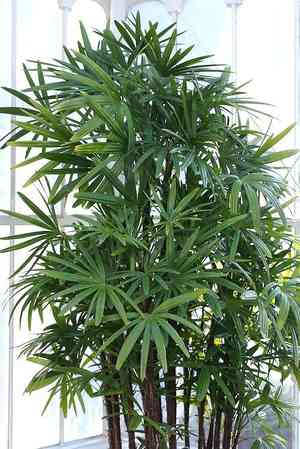
The ideal period for relocating lady Palm is in the gentle warmth of late spring, once the danger of freezing temperatures has subsided. Select a spot offering partial shade and soil that drains effectively. To achieve optimal outcomes, thoroughly hydrate lady Palm before its transfer. Bear in mind, this adaptable plant flourishes in both exterior and interior environments!
What Preparations are Needed Before Transplanting Lady Palm?
What is the Ideal Time for Transplanting Lady Palm?
The perfect time to move lady Palm is late Spring. This period offers prime growing conditions due to warmer weather. Relocating lady Palm then promotes root development and strong growth, allowing the plant to flourish beautifully. This is a vital step for a lush, healthy lady Palm.
How Much Space Should You Leave Between Lady Palm Plants?
To allow your lady Palm ample room to expand, aim for a spacing of approximately 3-6 ft (0.9-1.8 m) between each specimen. This ensures every plant has sufficient area to spread its attractive foliage and prevents overcrowding.
What is the Best Soil Mix for Lady Palm Transplanting?
Prepare a well-draining soil mixture with a slightly acidic to neutral pH (6.0-7.0) for lady Palm. Incorporate a slow-release, balanced fertilizer as a base to encourage initial growth and robust roots. Keep the soil consistently moist post-transplant to aid root establishment.
Where Should You Relocate Your Lady Palm?
It's best to transplant your lady Palm to a spot where it receives bright, indirect light or filtered shade. Excessive direct sun can scorch its leaves, while insufficient light can lead to thin, leggy growth. Find the right balance for a thriving plant.
What Equipments Should You Prepare Before Transplantation Lady Palm?
Gardening Gloves
To safeguard your hands from dirt, plant roots, and any unexpected insects within the soil.
Shovel
To excavate holes necessary for relocating lady Palm.
Gardening Trowel
Useful for carefully lifting the plant from its original spot without harming the roots.
Bucket or Container
To temporarily hold the lady Palm while you get the new planting site ready.
Watering Can
To hydrate the plant both at its initial location and after it's been moved.
Mulch
To insulate the soil around the plant and maintain moisture levels following transplantation.
Stakes and String (if necessary)
In case lady Palm requires support until its roots become established in the new area.
How Do You Remove Lady Palm from the Soil?
How Do You Remove Lady Palm from the Soil?
From Ground: Begin by watering the lady Palm to moisten the soil. Next, dig a wide circular trench around the plant using a shovel, ensuring the plant's root ball remains intact. Carefully work the gardening trowel beneath the root ball to lift the plant from its initial position.From Pot: First, water the pot thoroughly and allow it to sit briefly for the moisture to permeate the root ball. Then, gently tilt the pot sideways and carefully slide out the plant while supporting the root ball. If the plant is stuck, you may need to tap the pot's bottom.From Seedling Tray: Water the seedlings first. Use a gardening trowel to carefully extract each lady Palm seedling, taking care not to damage the delicate roots.
Step-by-Step Guide for Transplanting Lady Palm
Preparation
Dig a hole in the new spot that is twice the width and the same depth as the root ball of lady Palm.
Placement
Position the lady Palm into the hole, ensuring it's planted at the identical depth as in its previous location. Gently backfill soil around the root ball to keep the plant upright.
Arrangement
Orient the fronds to face the direction receiving less intense sunlight to prevent leaf scorching. If the lady Palm is tall, provide support with stakes and string.
Watering
Water the lady Palm generously after transplanting, thoroughly saturating the surrounding soil.
Mulching
Apply a layer of mulch around the plant to conserve moisture and inhibit weed growth.
How Do You Care For Lady Palm After Transplanting?
Watering
For the initial few weeks post-transplantation, water the lady Palm regularly but not excessively. Ensure the soil remains consistently moist but not waterlogged.
Pruning
Remove any dead or yellowing fronds to encourage healthy growth and lessen stress on the plant.
Monthly Check
Inspect the lady Palm monthly for any indications of pests or diseases. If observed, treat promptly with an appropriate garden remedy.
Winter Care
If temperatures drop, consider moving your lady Palm to a warmer spot or covering it with a blanket to protect it from cold damage.
Troubleshooting Common Issues with Lady Palm Transplantation.
When is the best time of year to transplant lady Palm?
For optimal development, the ideal relocation period for lady Palm is during the late spring season.
What is the appropriate distance to keep between lady Palm plants during transplantation?
To provide each plant sufficient room to grow, maintain a separation of 3-6 ft (0.9 - 1.8 meters).
Should I water lady Palm immediately after transplanting?
Watering is essential right after transplantation. It assists the lady Palm plant in settling into its new environment effectively.
How do I prepare the soil for transplanting lady Palm?
Ensure the soil drains well. Additionally, enrich it with organic matter to guarantee nutritional provision for lady Palm.
What are the indicators of a successful lady Palm transplantation?
Consistent growth and vibrant green leaves signify a successful transplantation. Be patient, improvements require time.
What common mistakes should I avoid when transplanting lady Palm?
Frequent errors include insufficient watering, overwatering, inadequate sunlight, and not allowing enough space between plants.
How do I know if my lady Palm is getting too much sun after transplantation?
If lady Palm's leaves are turning brown or wilting, it suggests overexposure to sunlight. Try moving lady Palm to a shadier location.
How deep should the hole be to transplant lady Palm?
The hole should be twice as wide and as deep as the root-ball. Approximately around 10 inches (25 cm).
Can wilting be a sign of transplant shock in lady Palm?
Yes, wilting can indicate transplant shock. Ensure to provide adequate water and temporarily reduce sunlight exposure.
What should I do if my transplanted lady Palm isn't showing new growth?
Patience is crucial! If the plant isn't showing signs of distress, give it time. Remember, transplanting is a significant change for lady Palm.



