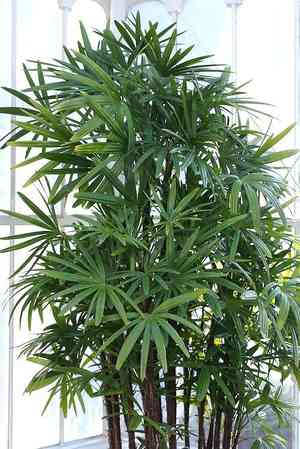
Lady Palm (Rhapis excelsa)
Also known as: Miniature fan palm, Ground rattan, Japanese peace palm, Bamboo palm, Fern rhapis
The Lady Palm, scientifically known as *Rhapis excelsa*, is a palm species indigenous to China. The Latin name *Rhapis excelsa* translates to "tall needle." This species is widely cultivated as an ornamental houseplant.
In This Article
Attributes of Lady Palm
Lifespan
Perennial
Plant Type
Palm
Plant Height
1.8 m to 4.5 m
Spread
1.8 m to 4.5 m
Leaf Color
Green
Flower Size
2.5 cm
Flower Color
Yellow Cream White
Images of Lady Palm
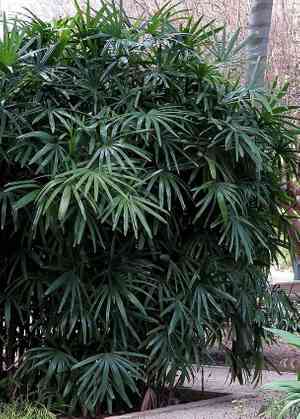
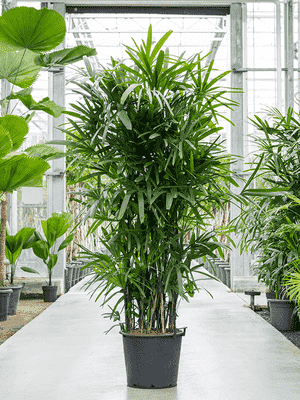
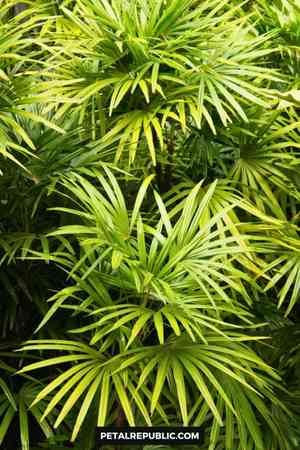
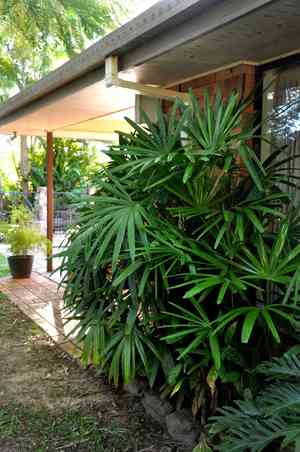
Quickly Identify Lady Palm
1
Fan-like palmate leaves with deeply segmented, ribbed leaflets
2
Small, bowl-shaped yellow flowers in panicles
3
White, fleshy fruits with smooth texture and seeds
4
Reed-like stems clumped in vertical chutes with coarse fibers
5
Distinctive trunk with slender stems and textured rings from old leaf scars
Scientific Classification of Lady Palm
Phylum
Vascular plants
Class
Monocotyledons
Order
Palms, bullanocks, and allies
Family
Palm
Genus
Lady palms
Species
Lady Palm
Planting and Growing of Lady Palm
Care Difficulty
Easy
Watering Schedule
Every 3 days
Sunlight Requirements
Partial sun
Sunshine Duration
4-6 hours
Ideal Temperature
60-80℉
Soil Type
Potting Mix, Peat Mix
Soil pH
6.5-7.5
Fertilizer Type
Balanced
Pruning Season
Spring, Summer
Pruning Area
Branches, Leaves
Pruning Frequency
2 times a year
Repotting Season
Spring
Pot Type
Plastic, Ceramic
 How to Water Lady Palm?
The Rhapis excelsa, commonly known as Lady Palm, requires a balanced approach to watering. The goal is to keep the soil evenly moist but not waterlogged. Check the top inch of the soil and ensure it's dry before watering again. Pour water slowly until it begins to drain from the bottom of the pot, ensuring the root system is adequately hydrated.
More About Watering Techniques→
What are the symptoms of an underwatered Lady Palm?
›
What should I do if my Lady Palm is not getting enough water?
›
What are the symptoms of an overwatered Lady Palm?
›
How to save an overwatered Lady Palm?
›
 What Are the Sunlight Requirements for Lady Palm?
Rhapis excelsa thrives in partial sun conditions. Ideal light exposure ensures robust growth, maintains vibrant green foliage, and prevents common issues arising from light extremes.
More About Sunlight Requirements Techniques→
What is the best lighting condition for Rhapis excelsa?
›
How might one achieve ideal lighting for Rhapis excelsa indoors?
›
What benefits are seen when Rhapis excelsa is exposed to ideal lighting?
›
 What Is the Ideal Temperature Range for Lady Palm?
Rhapis excelsa thrives best in temperature ranges between 60°F and 80°F. This range allows the plant to maintain consistent health, promoting optimal photosynthesis and growth rates. At these temperatures, cellular functions proceed efficiently, and the plant experiences less environmental stress.
 What Soil is Best for Lady Palm?
Rhapis excelsa requires well-draining soil to prevent root rot. The ability of loam or sandy loam soils to drain excess water makes them ideal, as they strike a balance between water retention and aeration, ensuring the roots can breathe and grow healthily. This plant thrives in nutrient-rich environments, as they provide the essential elements for vibrant growth and foliage. A loamy soil enriched with organic matter enhances nutrient availability, supporting continuous and vigorous development. Aeration in the topsoil layer is crucial for Rhapis excelsa, facilitating the exchange of oxygen and gases in the root zone. Sandy loam soils often provide the necessary aeration, ensuring that roots are not suffocated and enabling strong plant health.
More About Soil→
 How to Fertilize Lady Palm?
For a Rhapis excelsa, the amount of fertilizer should always be moderate. Over-fertilizing can lead to salt build-up and harm the plant's roots. When using liquid fertilizer, one should dilute it to half the recommended strength to avoid potential damage. For slow-release fertilizers, apply just a small quantity, roughly 1 tablespoon per square foot of soil. This ensures that the nutrients are released gradually and the plant receives sustained nourishment without overwhelming its system.
More About Fertilizing Techniques→
 How to Prune Lady Palm?
Begin by identifying any brown, yellow, or damaged fronds. These should be removed first as they can drain energy from the healthy parts of the plant. When removing fronds, make cuts close to the trunk, leaving a small stub to avoid damaging the main stem. This encourages new growth and keeps the plant looking neat. To shape Rhapis excelsa, selectively prune fronds that disrupt the overall symmetry of the plant. Focus on keeping a balanced look while ensuring adequate light can reach the inner parts.
More About Pruning Techniques→
 How to Propagate Lady Palm plant?
1
Before division, water the plant thoroughly for a few days to ensure it's well-hydrated. This helps in reducing stress when separating the parts.
2
Gently remove the plant from its pot and identify the naturally formed divisions. Use sharp, sterilized shears to separate these sections, ensuring each has roots.
3
Place each division into a pot with quality potting mix, ensuring roots are well-covered. Water lightly to settle the soil around the roots and acclimatize them to their new environment.
 How to Repot Lady Palm plant?
1
Repot your Rhapis excelsa when you notice roots growing through the drainage holes or when growth has noticeably slowed down. This palm prefers slightly snug living conditions, but a pot that's too tight can stifle its growth and overall health.
2
Select a pot that's only a couple of inches larger than the current one. This helps to avoid excessive soil, which can retain too much water, leading to root rot. A heavy pot is also favorable as it prevents the tall palm from toppling over.
3
Opt for a rich, well-draining soil mix designed specifically for palms or use a combination of peaty soil and perlite. This ensures good drainage yet sufficient moisture retention, providing balanced nutrition for your lady palm.



