How to Transplant Netleaf oak?
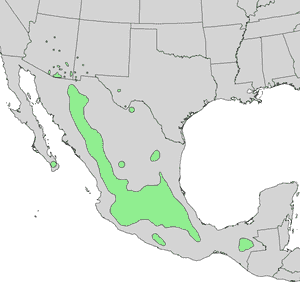
The optimal time to transplant netleaf oak is during warm, consistent weather, usually spanning from late spring through early summer. Select a location featuring adequate drainage and partial afternoon sun exposure. Ensure the soil remains damp to facilitate netleaf oak's adjustment.
What Preparations are Needed Before Transplanting Netleaf Oak?
What is the Ideal Time for Transplanting Netleaf Oak?
The optimal period for relocating netleaf oak spans from late spring through early summer. This specific window allows netleaf oak to establish a strong root system in mild temperatures, benefiting from longer days before the intense heat of mid-summer. Favorable weather promotes vigorous development, ensuring the plant's resilience. This recommendation aligns with the plant's natural growth cycle, setting the stage for a thriving netleaf oak.
How Much Space Should You Leave Between Netleaf Oak Plants?
Before planting your netleaf oak, ensure holes are spaced approximately 15-20 feet apart (4.6-6 meters). This provides ample room for your netleaf oak to expand its branches as it matures into a grand tree.
What is the Best Soil Mix for Netleaf Oak Transplanting?
Prepare an inviting environment for your netleaf oak by selecting well-draining soil, rich in organic matter. Prior to planting, incorporate a balanced, slow-release fertilizer to give your netleaf oak a healthy start.
Where Should You Relocate Your Netleaf Oak?
Locate a sunny spot for your netleaf oak where it can receive at least six hours of direct sunlight daily. This sun exposure will help your netleaf oak flourish and develop robustly.
What Equipments Should You Prepare Before Transplantation Netleaf Oak?
Shovel or Spade
For excavating holes and channels around the plant's root system.
Pruning Shears
To trim any damaged roots or branches during the relocation process.
Watering Can or Hose
To hydrate the netleaf oak before and after its move.
Wheelbarrow
To transport the netleaf oak from its original spot to the new location.
Garden Fork
To loosen the soil surrounding the plant.
Mulch
To safeguard the roots post-transplant and maintain moisture levels.
Gardening Gloves
To protect your hands while handling soil and the plant.
Measuring Tape
To ensure correct spacing between plants during transplantation.
Burlap or Tarp
To secure the root ball during transit if needed.
How Do You Remove Netleaf Oak from the Soil?
How Do You Remove Netleaf Oak from the Soil?
From Ground: First, moisten the netleaf oak plant to soften the soil, facilitating easier removal. Dig a wide trench around the plant with a shovel or spade, being careful not to sever the root ball. Gently work the tool beneath the root ball to loosen and lift the plant from the ground.From Pot: Water thoroughly before beginning. Tilt the pot sideways and lightly tap its sides to dislodge the root ball. Support the plant's base with one hand and use the other to carefully extract the plant from the pot.From Seedling Tray: Water the seedlings to ensure the soil is moist and pliable. Use a spoon or small implement to gently lift the seedling from the tray without harming its delicate roots. Handle the seedling by its leaves rather than the stem to minimize damage.
Step-by-Step Guide for Transplanting Netleaf Oak
Digging the Hole
Excavate a hole in the ground twice as wide and the same depth as the netleaf oak's root ball to comfortably accommodate the roots without crowding.
Root Preparation
Inspect the netleaf oak's root ball and use pruning shears to remove any dead or significantly damaged roots. This promotes healthy growth after relocation.
Positioning the Plant
Place the netleaf oak in the center of the hole. The top of the root ball should be flush with the surrounding soil surface.
Filling the Hole
Backfill the hole with soil, gently working it around the roots to eliminate air pockets. Avoid compacting the soil too tightly, as this can impede root development.
Watering
Thoroughly water the netleaf oak after transplanting to settle the soil and hydrate the roots. If the soil significantly settles after watering, add more soil to level it.
Mulching
Apply a layer of mulch around the base of the netleaf oak to help retain soil moisture and regulate soil temperature.
How Do You Care For Netleaf Oak After Transplanting?
Staking
Depending on the netleaf oak's size and site conditions, staking may be necessary. This supports the netleaf oak and helps it remain upright while new roots establish.
Monitoring
Observe the netleaf oak for signs of transplant shock, such as wilting or yellowing leaves, and address them promptly.
Watering*
Maintain a consistent watering schedule to ensure the netleaf oak has sufficient moisture to recover from transplant stress and encourage root growth.
Pruning
Minimize pruning immediately after transplanting, allowing the netleaf oak to prioritize energy on root development rather than foliage regrowth.
Troubleshooting Common Issues with Netleaf Oak Transplantation.
What's the best time to transplant netleaf oak saplings?
The ideal time to transplant netleaf oak is during the favorable period between late spring and early summer.
How far apart should netleaf oak be spaced when planted?
Ensure ample room for mature netleaf oak by spacing them 15-20 feet (4.5-6 meters) apart.
What's the ideal soil condition for transplanting netleaf oak?
Plant netleaf oak in well-draining soil, enriched with organic compost for optimal growth.
What depth should the hole be for netleaf oak transplantation?
Dig a hole as deep as the root ball and twice as wide to comfortably house netleaf oak.
What should I do if netleaf oak's leaves wilt after transplanting?
Regularly water the soil without over-saturating, maintaining consistent moisture to aid netleaf oak's recovery.
Why is my transplanted netleaf oak not showing new growth?
Be patient; netleaf oak may experience transplant shock, but with time and proper care, growth will resume.
How much sun exposure is needed for a newly transplanted netleaf oak?
Position netleaf oak where it will receive full sunlight to partial shade for robust health.
What's the best way to water netleaf oak after transplanting?
Deep watering encourages roots to grow downwards. Avoid superficial sprinklings for a healthy netleaf oak.
How do I protect netleaf oak from transplant shock?
Limit pruning, provide adequate water, and avoid immediate fertilization of netleaf oak to reduce stress.
Should I use mulch when transplanting netleaf oak?
Applying mulch around netleaf oak conserves moisture, regulates soil temperature, and reduces weed competition.



