Netleaf oak (Quercus rugosa)
Also known as: Netleaf oak, Mexican oak
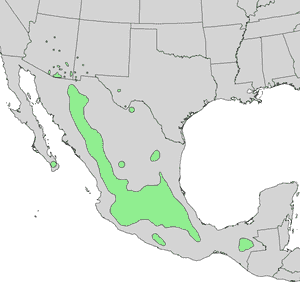
Netleaf oak (Quercus rugosa) is quite rare in the wild within the United States. It is typically found in only a couple of locations: Mount Emory in Big Bend National Park and Mount Livermore in West Texas. Despite its rarity in the wild, it can still be cultivated successfully, thriving in direct sunlight and moderately moist soil.
In This Article
Attributes of Netleaf oak
Lifespan
Perennial
Plant Type
Tree
Plant Height
6 m to 9 m
Spread
5 m to 7 m
Leaf Color
Green Blue
Flower Size
3 cm to 5 cm
Flower Color
Yellow Green Brown
Images of Netleaf oak
Quickly Identify Netleaf oak
1
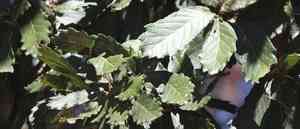
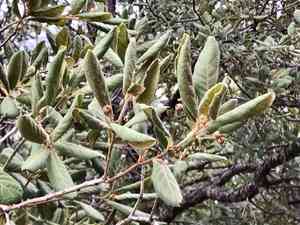
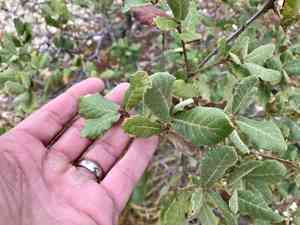
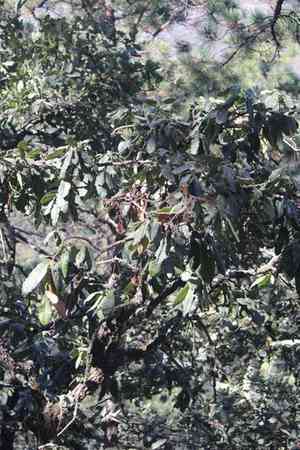
Identification skills include observing the thick, leathery leaves which are dark green with a net-like veining pattern. The bark is gray and deeply furrowed. The acorns are relatively small and have a shallow, scaly cup.
Scientific Classification of Netleaf oak
Phylum
Vascular plants
Class
Dicotyledons
Order
Fagales
Family
Beech
Genus
Oaks
Species
Netleaf oak
Planting and Growing of Netleaf oak
Care Difficulty
Easy
Watering Schedule
Every 2 days
Sunlight Requirements
Full sun
Sunshine Duration
4-8 hours
Ideal Temperature
60-75℉
Soil Type
Potting Mix, Peat Mix
Soil pH
6.5-7.5
Fertilizer Type
Balanced
Pruning Season
Spring, Summer
Pruning Area
Branches, Leaves
Pruning Frequency
2 times a year
Repotting Season
Spring
Pot Type
Plastic, Ceramic
 How to Water Netleaf oak?
When watering Quercus rugosa, aim to deliver approximately 2000 ml per session. This amount ensures the soil is moist but not soggy, allowing the water to penetrate down into the deeper root zone. It's essential to ensure proper drainage to avoid waterlogged conditions.
What are the symptoms of an underwatered Netleaf oak?
›
What should I do if my Netleaf oak is not getting enough water?
›
What are the symptoms of an overwatered Netleaf oak?
›
How to save an overwatered Netleaf oak?
›
 What Are the Sunlight Requirements for Netleaf oak?
Quercus rugosa ideally thrives in full to partial sunlight. Access to sufficient light promotes vigorous growth and strengthens the plant's natural defenses against pathogens and adverse climate conditions.
More About Sunlight Requirements Techniques→
Is Quercus rugosa a sun-loving plant?
›
How can I ensure Quercus rugosa gets ideal lighting?
›
What benefits does optimal lighting offer Quercus rugosa?
›
 What Is the Ideal Temperature Range for Netleaf oak?
The ideal temperature range for Quercus rugosa, commonly known as the Netleaf Oak, lies between 60°F and 75°F. Within this range, the plant can photosynthesize efficiently, maintain optimal metabolic functions, and grow healthily. Providing an environment with stable temperatures in this range ensures robust growth and helps prevent stress-related diseases.
 What Soil is Best for Netleaf oak?
Quercus rugosa thrives in well-drained soils that prevent water from pooling around the roots. This requirement ensures the prevention of root rot and other water-related diseases, ensuring a healthy growth cycle. While Quercus rugosa does not require extremely fertile soil, a moderate level of nutrients supports its growth. Balanced fertility promotes strong and healthy foliage, aiding the oak in reaching its robust size. Although drought-resistant, Quercus rugosa benefits from soils that retain adequate moisture during dry periods. This ability supports the tree's resilience and lush appearance even in arid conditions.
 How to Fertilize Netleaf oak?
Quercus rugosa, commonly known as Mexican oak, benefits from moderate fertilization. For liquid fertilizers, a concentration of 1/2 strength of a balanced 10-10-10 NPK fertilizer is ideal, applied every two weeks during the growing season. For slow-release formulas, use pellets that allow for a gradual release over time, ensuring that nutrients are available throughout the active growing season without overwhelming the roots.
 How to Prune Netleaf oak?
Begin by identifying and removing any dead, diseased, or damaged branches. Cut back to a healthy section of the branch or to the trunk if needed. Focus on creating an open canopy by thinning out crowded areas. This encourages light and air penetration, reducing the risk of fungal infections. Make sure to cut branches at a 45-degree angle, just above a bud or branch node to promote healing and new growth.
More About Pruning Techniques→
 How to Propagate Netleaf oak plant?
1
Collect acorns from mature Quercus rugosa trees. Ensure the acorns are disease-free and not damaged. Timing is vital, as acorns should be collected just before they naturally fall.
2
Stratify the seeds by placing them in a moist medium such as sand in the refrigerator for 4-6 weeks. This mimics natural winter conditions and breaks dormancy, prompting the seeds to germinate.
3
Plant the stratified acorns in a seed tray filled with potting soil. Ensure they are planted at least an inch deep and water them thoroughly to encourage sprouting.
 How to Repot Netleaf oak plant?
1
Look for signals like outgrowing the current pot, slow growth, and roots circling inside the pot. These indicate it's time for repotting to ensure healthy growth.
2
Opt for a pot that's 2 inches larger in diameter than the current one, with ample drainage holes. The larger size allows roots to expand and enhances moisture management.
3
Use a well-draining soil mix rich in organic material. This ensures adequate aeration and nutrient retention, promoting strong root development and overall plant health.
Toxicity
Ingestion
WARNING
The judgment on toxicity and danger is for reference only. We DO NOT GUARANTEE any accuracy of such judgment. Therefore, you SHALL NOT rely on such judgment. It is IMPORTANT TO SEEK PROFESSIONAL ADVICE in advance when necessary.



