How to Transplant Valley oak?
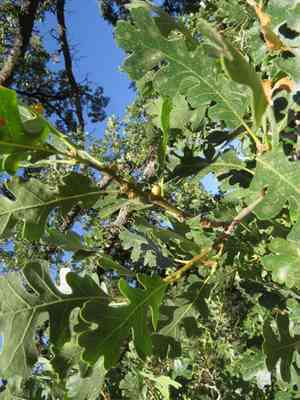
Valley oak transplantation flourishes when performed in the spring season, as the natural resurgence aids in root development. Select a location with good drainage, exposed to ample sunlight. Carefully separating the roots during relocation can stimulate robust growth.
What Preparations are Needed Before Transplanting Valley Oak?
What is the Ideal Time for Transplanting Valley Oak?
The best time to move valley oak is during the spring, a period of renewed growth and milder temperatures. Relocating valley oak at this time sets the stage for successful establishment, as the moderate climate supports root development without the stress of extreme heat or cold. An early spring start allows valley oak to strengthen its root system, ensuring vigorous growth and health. This strategic timing utilizes valley oak's natural growth cycle, increasing its chances for a thriving transition.
How Much Space Should You Leave Between Valley Oak Plants?
Ensure valley oak is spaced approximately 20-30 feet (6-9 meters) apart. This prevents root system overcrowding and provides each plant with the necessary room for optimal development.
What is the Best Soil Mix for Valley Oak Transplanting?
The most suitable soil for valley oak is well-draining, loamy, or sandy. Apply a nutrient-rich base fertilizer with organic matter to prepare the soil. This will encourage robust and healthy root development.
Where Should You Relocate Your Valley Oak?
Find a spot for valley oak where it can receive full to partial sunlight for most of the day. A sunny location will not only foster its growth but also contribute to the plant's overall health.
What Equipments Should You Prepare Before Transplantation Valley Oak?
Shovel
For excavating the plant from its original spot and digging a new hole.
Gardening Gloves
To safeguard your hands while handling soil and the plant.
Trowel
To refine the planting hole for valley oak.
Watering Can or Hose
To hydrate valley oak before and after its relocation.
Wheelbarrow
To move the excavated valley oak from its initial position to the new site.
Mulch
To help retain moisture around valley oak's roots post-transplant.
How Do You Remove Valley Oak from the Soil?
How Do You Remove Valley Oak from the Soil?
From Ground: Begin by moistening the valley oak plant's soil. Dig a wide trench around the plant with your shovel, being careful not to harm the root ball. Gently work the shovel beneath the root ball. Slowly and carefully lift valley oak from its original spot, ensuring the root ball stays as intact as possible.From Pot: If valley oak is in a container, start by watering it. Carefully tip the pot sideways and gently slide valley oak out. If roots have conformed to the pot's shape, gently loosen them with your hands before removing valley oak.From Seedling Tray: For seedlings, fill each tray cell with water. This helps seedlings slide out more easily. Once soaked, invert the tray and gently tap until the valley oak seedlings emerge. Hold seedlings by their leaves, not their stems.
Step-by-Step Guide for Transplanting Valley Oak
Preparation
Dig a new hole that is twice the width and depth of the valley oak root ball. Loosen the soil at the bottom of the hole using your trowel.
Planting
Position valley oak in the hole, ensuring the top of the root ball is level with the soil surface. Backfill the hole with the excavated soil.
Watering
Immediately after transplanting, thoroughly water valley oak until the surrounding soil is moist but not waterlogged. Add more soil to the hole if water washes some away.
Mulching
Spread a layer of mulch around the base of valley oak, being careful to keep it away from the trunk, to help retain moisture.
How Do You Care For Valley Oak After Transplanting?
Watering
Remember to water valley oak regularly, especially during the initial weeks after transplanting when the plant is establishing its roots. The soil should remain slightly damp, but not waterlogged.
Pruning
Prune valley oak if there are any dead or dying branches. This will help the tree direct its energy towards new growth. However, avoid excessive pruning as valley oak is still establishing itself.
Monitoring
Watch for signs of plant stress such as wilting, discolored, or drooping leaves. If any of these are observed, adjust watering and check for potential pest infestations.
Troubleshooting Common Issues with Valley Oak Transplantation.
When is the best time to transplant valley oak?
The optimal time for relocating valley oak is between late autumn and early spring, which are more forgiving seasons for this plant.
What is the perfect spacing while transplanting valley oak?
Spacing should be approximately 20 to 30 feet (6 to 9 m) apart. This will allow valley oak to grow and expand without hindrance.
Why are my transplanted valley oak leaves turning brown?
Browning leaves may indicate transplant shock. Keep the soil consistently moist and ensure it's planted at the correct depth. It should recover over time.
Should I prune valley oak before transplanting?
Trimming valley oak prior to transplanting can be beneficial. Remove any damaged, crossing, or crowded branches, but avoid heavy pruning.
Why is my transplanted valley oak not showing growth?
Valley oak may require time to establish its root systems after transplanting. Be patient, ensure proper watering, and avoid using too much fertilizer.
What soil conditions are best for valley oak transplanting?
Valley oak thrives in deep, well-drained soils. Enrich the soil with organic matter before planting to ensure healthy growth.
Should I use fertilizers immediately after transplanting valley oak?
No, postpone fertilizing until new growth appears. Excessive fertilizers can harm the delicate roots of the transplanted valley oak.
How deep should I plant valley oak during transplantation?
Plant valley oak at the same depth it was in its original container. Planting too deep or too shallow can lead to root problems.
Do I need to water valley oak immediately after transplanting?
Yes, watering valley oak immediately after transplanting is crucial. Keep the soil consistently but moderately moist, not waterlogged.
Should I transplant valley oak in full sun or partial shade?
Valley oak generally adapts well to full sun to partial shade. However, young transplants should be shielded from intense afternoon sun.



