How to Transplant Evergreen oak?
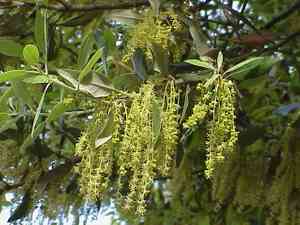
Spring offers the most favorable environment for evergreen oak to flourish after relocation, facilitating robust root development. Select a bright, adequately drained spot, protecting evergreen oak from strong gusts. Careful management of the root mass is crucial throughout the procedure.
Essential Preparations Before Relocating Evergreen Oak
Optimal Period for Evergreen Oak Relocation?
The prime period for moving evergreen oak is the spring season, offering a mix of moderate temperatures and consistent growth conditions. This timeframe provides an excellent chance for roots to establish in the warming earth, ensuring strength before summer's heat. Choosing this season highlights the benefits, as gentle weather aids the recovery processes vital for successful transplantation. A friendly reminder: beginning this gardening task as buds emerge guarantees evergreen oak will flourish in its new spot.
Required Spacing Between Evergreen Oak Plants?
Remember to provide ample room for each evergreen oak! Ideally, they should be positioned 20-40 feet apart (approximately 6-12 meters). This allows sufficient space for growth without overcrowding. Happy planting!
Best Soil Blend for Evergreen Oak Transplanting?
For evergreen oak, prepare a soil mixture that drains well. They favor a slightly acidic pH, but can endure most soil types. And, don't forget to incorporate a slow-release base fertilizer. This will nourish the plant throughout its growing season and give it an excellent start!
Where to Replant Your Evergreen Oak?
Select a site with full sun exposure for your evergreen oak. They can withstand partial shade, but for the healthiest development, ensure they receive abundant sunlight. For advice on determining if your garden spot has adequate sunlight, consult our guides!
Equipment Needed Before Transplanting Evergreen Oak?
Gardening Gloves
To safeguard your hands while removing weeds and handling soil.
Spade or Shovel
Ideal for excavating a hole deep and wide enough to accommodate the evergreen oak's root ball.
Garden Hand Trowel
Useful for extracting soil without harming the plant's roots.
Wheelbarrow or Bucket
Convenient for transporting the evergreen oak plant to its new location.
Watering Can
For hydrating the plant before and after relocation.
Mulch
Beneficial for retaining moisture and deterring weeds after the evergreen oak is transplanted.
Stakes and Ties
To offer extra support to the newly transplanted evergreen oak and shield it from winds.
How to Extract Evergreen Oak from the Soil?
How to Extract Evergreen Oak from the Soil?
From Ground: Try to water the evergreen oak plant a day prior to transplanting to soften the soil without making it waterlogged. Then, using a spade or shovel, begin digging a broad, shallow trench around the plant's root ball. Keep the plant's root ball intact by carefully inserting the spade underneath and gently loosening it from the ground.From Pot: Water the evergreen oak plant in its container a few hours before you intend to transplant. Then, slowly tilt the pot sideways while gently pulling on the plant's base. The plant should slide out with its root ball and soil intact.From Seedling Tray: Water the tray in advance of transplanting. To remove the evergreen oak seedling, gently squeeze the bottom of the cell while supporting the top of the seedling with your other hand. The seedling should emerge with its root ball and soil intact, with minimal damage to the plant.
Step-by-Step Guide for Transplanting Evergreen Oak
Preparation
Once your evergreen oak is ready for transplanting, ensure your chosen area is free of weeds and other vegetation.
Digging
Next, using your spade or shovel, excavate a hole that is twice as wide and similarly deep as the evergreen oak root ball.
Planting
Carefully position your evergreen oak in the hole, making sure it is at the same depth as it was in its original spot.
Backfilling
Gradually refill the hole with soil, pressing it down gently around the root ball.
Watering
Give your newly transplanted evergreen oak a thorough drink with your watering can, but avoid overwatering.
Staking
If the evergreen oak plant is tall or susceptible to wind damage, install a stake and gently secure the plant to it for support.
Mulching
Once planted, spread a layer of mulch around the base of your evergreen oak. This helps conserve water and suppress weeds.
Post-Transplant Care for Evergreen Oak
Watering
Ensure the soil remains moist but not excessively saturated for the initial weeks following transplantation.
Staking Support
Regularly inspect the stake and ties to confirm they are not harming the plant or hindering natural growth. Adjust as necessary.
Mulching
Replenish the mulch as required, especially during warmer months. This will aid in moisture retention and prevent weed growth.
Protection
Monitor your evergreen oak plant for pests after transplanting, and apply organic pest control methods if needed.
Resolving Common Issues with Evergreen Oak Transplantation.
When is the optimal time to transplant my evergreen oak?
The most favorable period to relocate your evergreen oak is typically from late winter to early spring (S1-S3). This season ensures ideal root establishment.
What spacing should I maintain when planting multiple evergreen oak?
A suitable distance between each evergreen oak when planting would be between 20-40 feet (6-12 meters). This spacing allows each plant ample room for development.
Why are the leaves of my transplanted evergreen oak wilting?
This could be due to transplant shock. Ensure you're watering consistently and keeping the root ball moist. Adding some root stimulator can also aid recovery.
How deep should I dig the hole for my evergreen oak?
Excavate a hole twice as wide and just as deep as the root ball. This provides sufficient space for roots to spread.
Should I trim the evergreen oak before transplanting?
Yes, it's generally good practice. Trimming or pruning helps reduce stress on the plant by balancing the root loss during the transplantation process.
Whatâs the proper way to handle the root ball of my evergreen oak during transplanting?
Handle with care to prevent damage. Avoid lifting the evergreen oak by its stem or trunk; instead, support it from beneath the root ball during transport.
How much water does my transplanted evergreen oak need?
Water thoroughly after transplanting to settle the soil. Thereafter, ensure the soil is consistently moist, not waterlogged. Adjust watering schedules according to season and rainfall.
Should I add fertilizer when transplanting my evergreen oak?
Adding a slow-release, balanced fertilizer at transplanting can support growth. However, ensure it's added after transplant to avoid root burn.
What type of soil is best for my evergreen oak to thrive after transplanting?
Evergreen oak prefers well-drained soil. If soil drainage is poor, consider amending with organic matter or planting in a raised bed to enhance drainage.
My evergreen oak is not showing new growth after transplanting, what could be wrong?
Patience is key, as evergreen oak may take time to establish after transplant. If after a few weeks there's no sign of growth, check for root rot or other diseases.



