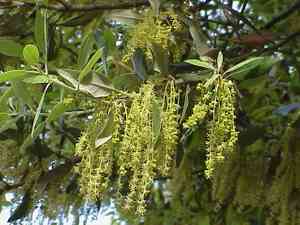
Evergreen oak (Quercus ilex)
Also known as: Holm oak
The Holm Oak (Quercus ilex), also known as Evergreen Oak, is indigenous to the Mediterranean region. It is commonly found in parks and has a historical significance for its use in making pillars, tools, and wagons. Additionally, the Holm Oak is one of the three species utilized in the cultivation of truffle orchards. Notably, the oldest known specimen, estimated to be around 1,200 years old, is located in Spain.
Attributes of Evergreen oak
Images of Evergreen oak
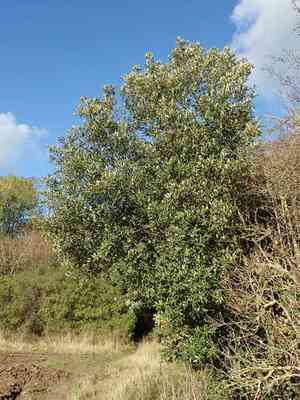
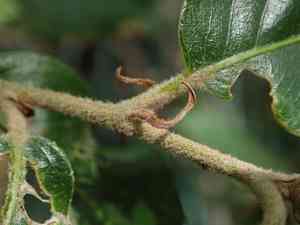
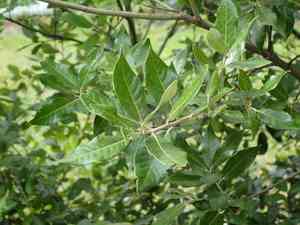
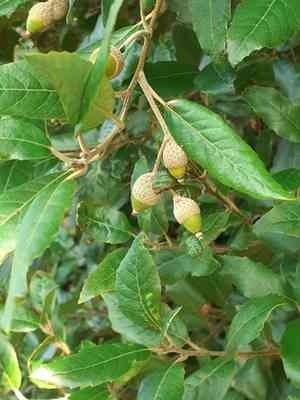
Quickly Identify Evergreen oak
Scientific Classification of Evergreen oak
Planting and Growing of Evergreen oak
 How to Water Evergreen oak?
 What Are the Sunlight Requirements for Evergreen oak?
 What Is the Ideal Temperature Range for Evergreen oak?
 What Soil is Best for Evergreen oak?
 How to Fertilize Evergreen oak?
 How to Prune Evergreen oak?
 How to Propagate Evergreen oak plant?
 How to Repot Evergreen oak plant?
Toxicity of Evergreen oak
Is Evergreen oak toxic to humans?
The evergreen oak has a moderate toxicity level for humans, as every part of the plant can be harmful if ingested. The toxicity primarily stems from the presence of ricin, a highly potent toxin. In cases where any part of the evergreen oak is consumed accidentally, individuals may endure severe symptoms such as abdominal pain, vomiting, diarrhea, and potentially more serious repercussions affecting the nervous system. Since the entire plant is toxic, it is wise to exercise caution to avoid accidental ingestion, especially among groups that may encounter evergreen oak in their natural surroundings.
Is Evergreen oak toxic to cat?
Evergreen oak possesses moderate toxicity to cats, leading to the risk of poisoning if any part of the plant is ingested inadvertently. All sections of this plant are harmful, posing a potential danger for both indoor and outdoor felines that may encounter it. If a cat ingests any portion of evergreen oak, it may display various signs of physical discomfort or illness. The toxic properties of this plant stem from the presence of ricin. Therefore, it is essential for cat owners to remain alert and protect their pets from consuming evergreen oak. Should there be any suspicion of poisoning, seeking immediate veterinary assistance is vital to safeguard the health and well-being of the affected cat.
Is Evergreen oak toxic to dog?
The evergreen oak presents a moderate toxicity risk to dogs. These animals may inadvertently consume various parts of the plant, which can result in potential poisoning. If a dog ingests any section of the evergreen oak, they may display symptoms that signify poisoning. Such symptoms may involve vomiting, diarrhea, abdominal discomfort, and more severe manifestations such as tremors or seizures, contingent on the amount consumed. The plant as a whole is regarded as toxic, necessitating that it be kept away from pets. Should a dog ingest evergreen oak, it is crucial to seek prompt veterinary attention to ensure the best possible outcome for the animal.



