How to Transplant Blue oak?
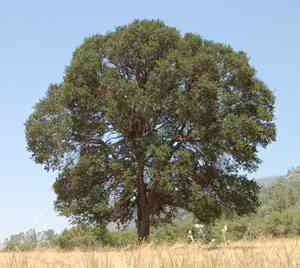
The optimal period for relocating blue oak is during the spring, when fresh development is stimulated. Choose a location that receives ample sunlight and drains effectively. Recommendation: gently untangle and prune the roots to foster robust growth in their new environment.
What Preparations are Needed Before Transplanting Blue Oak?
What is the Ideal Time for Transplanting Blue Oak?
Spring, when new life emerges, is the most favorable time for planting blue oak. During this period, mild temperatures and increasing daylight align with blue oak's growth cycle, ensuring a smooth transition. Moving blue oak during gentle spring weather allows it to establish roots firmly, benefiting from the season's moderate moisture and avoiding the stress of summer heat or winter cold. This strategic timing is crucial for blue oak's long-term success.
How Much Space Should You Leave Between Blue Oak Plants?
When preparing to plant your blue oak, remember to provide ample room. Aim for a separation of approximately 8-10 feet (2.4-3 meters) between each plant. This ensures they have sufficient space to develop and flourish.
What is the Best Soil Mix for Blue Oak Transplanting?
Blue oak thrives in soil that drains well. Prior to transplanting, enrich your soil with a foundational fertilizer. This helps to elevate nutrient levels and create a healthy environment for your blue oak to grow.
Where Should You Relocate Your Blue Oak?
Select a sunny spot for your blue oak. They enjoy abundant sunlight and will flourish in an area that receives direct sun for most of the day. Choose your location carefully for optimal growth.
What Equipments Should You Prepare Before Transplantation Blue Oak?
Gardening Gloves
To protect your hands from dirt, thorns, and any insects.
Shovel
This will be used to dig up the blue oak from its current spot.
Garden Trowel
A smaller tool useful for digging precise holes and trenches during transplanting, especially when dealing with delicate roots.
Watering Can
Keeping the plant adequately hydrated before, during, and after transplantation is essential.
Mulch
Mulching helps the newly transplanted blue oak retain moisture and prevents weed growth.
Pruning Shears
Useful for cutting and trimming any damaged or overly dense branches of the blue oak during the transplanting process.
Wheelbarrow or Garden Cart
For easy transport of the blue oak from one location to another.
How Do You Remove Blue Oak from the Soil?
How Do You Remove Blue Oak from the Soil?
From Ground: Water the blue oak somewhat generously to moisten the soil. This helps reduce shock during extraction and makes the soil easier to manage. Dig around the perimeter of the blue oak using your shovel to create a trench, ensuring the root ball remains intact. Once the trench is complete, lift under the root ball with your shovel, gently rocking if needed until the blue oak is free.From Pot: Begin by watering the blue oak to dampen its soil; this not only lessens plant shock but also minimizes soil crumbling. Tip the pot sideways, gently tapping or squeezing it to loosen the roots. Carefully ease the blue oak out; the aim is to keep as much of the original soil around the roots as possible.From Seedling Tray: Gently squeeze or flex the plastic cell or try peeling away any pulp containers to release the soil and root ball of blue oak. Keep root disturbance to a minimum to prevent shock.
Step-by-Step Guide for Transplanting Blue Oak
Preparation
After gathering your tools, water the blue oak to facilitate the transplant process. Wearing your gardening gloves, let's get the blue oak ready for relocation.
Dig Hole
The hole's depth and width should comfortably accommodate the blue oak's root ball, allowing room for root expansion. Typically, it should be twice as wide and as deep as the root system.
Transplant
Position the blue oak in the center of the hole. The top of the root ball should be level with the ground surface. Next, backfill the hole with the excavated soil.
Water
Immediately after planting, you should thoroughly water the blue oak so that the water reaches the root zone.
Mulch
Apply a layer of mulch around the base of the blue oak. This helps to retain soil moisture and suppress weed growth.
How Do You Care For Blue Oak After Transplanting?
Watering
Ensure the blue oak receives an appropriate amount of water consistently. It's vital to maintain steady soil moisture, especially during the initial weeks following transplant.
Pruning
Monitor the blue oak's growth. If you observe any dead, diseased, or overcrowded branches, you may need to prune them for the plant's overall health.
Monitoring
Keep a close watch on the blue oak for any signs of transplant shock, such as wilting, drooping, or discoloration. If noticed, adjust your care routine accordingly and consider consulting a gardening expert for advice.
Troubleshooting Common Issues with Blue Oak Transplantation.
When's the best time to transplant blue oak?
Transplanting blue oak should ideally occur during its semi-dormant periods, typically from late winter to early spring (S1-S3).
How far apart should I space blue oak when transplanting?
For optimal growth, maintain a generous spacing of 8-10 feet (2.4-3 meters). This provides blue oak ample room to grow without competing for resources.
How deep should the hole be for transplanting blue oak?
The hole should be twice as wide and as deep as the blue oak's root ball. This ensures sufficient space for the roots to spread.
What's the ideal soil for transplanting blue oak?
Blue oak thrives in well-draining soil. Ensure the soil is a mix of sand for drainage, loamy soil for nutrients, and a small amount of clay for water retention.
How often should I water blue oak after transplanting?
Water blue oak immediately after transplanting and continue regularly until established. Frequency may be adjusted based on the season's heat and dryness.
Should I use a fertilizer when transplanting blue oak?
While not essential, a slow-release fertilizer can be beneficial. Use it during planting to give blue oak a nutrient boost and encourage healthier growth.
Why are the leaves of my transplanted blue oak turning yellow?
Yellow leaves can indicate transplant shock, often due to sudden changes in conditions or root damage. Maintain consistent watering and monitor closely for improvements.
Whatâs the minimum temperature tolerance for blue oak?
Blue oak is resilient and can endure relatively low temperatures. However, extreme temperatures below 20°F (-6°C) could cause damage, especially to young plants.
Why isn't my transplanted blue oak growing?
Slow growth could stem from various factors such as insufficient sunlight, poor soil quality, or inadequate watering. Evaluate these conditions and make necessary adjustments.
How long will blue oak take to establish after transplanting?
Blue oak may take one to two seasons to fully establish. During this period, ensure it receives the correct amounts of water, sunlight, and nutrients.



