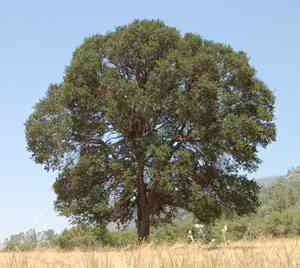
Blue oak (Quercus douglasii)
Also known as: Mountain oak
The Blue Oak (Quercus douglasii) is exclusive to California and stands out as the state's most drought-resistant deciduous oak. This medium-sized tree typically reaches heights of 6 to 20 meters. Its leaves have a distinctive bluish tint, which inspired its common name. Additionally, the tree produces acorns known for their mildly sweet kernels.
Attributes of Blue oak
Images of Blue oak
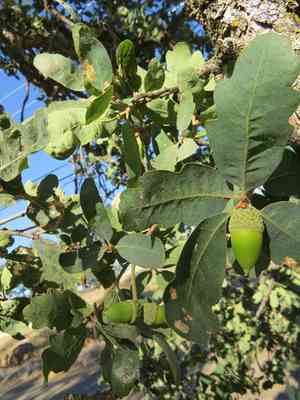
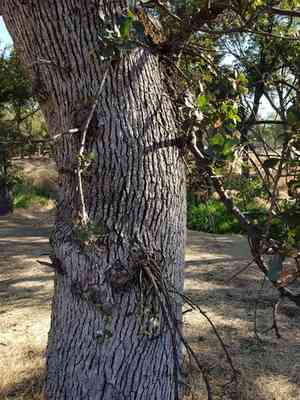
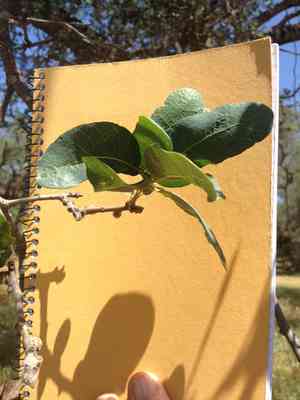
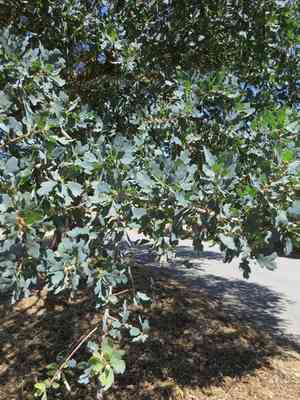
Quickly Identify Blue oak
Scientific Classification of Blue oak
Planting and Growing of Blue oak
 How to Water Blue oak?
 What Are the Sunlight Requirements for Blue oak?
 What Is the Ideal Temperature Range for Blue oak?
 What Soil is Best for Blue oak?
 How to Fertilize Blue oak?
 How to Prune Blue oak?
 How to Propagate Blue oak plant?
 How to Repot Blue oak plant?
Toxicity of Blue oak
Is Blue oak toxic to cat?
The blue oak plant has a low level of toxicity that can impact cats if they consume substantial amounts of its parts, especially the leaves and seeds. In cases where a cat ingests blue oak, it may display signs of mild physical distress or discomfort. While the exact toxic components are not specified, consuming considerable quantities of blue oak is recognized to be detrimental. To safeguard the health of a cat that has ingested this plant, it is essential to seek immediate veterinary care. Swift medical attention can help alleviate any negative effects and enhance the cat's prognosis.
Is Blue oak toxic to dog?
The blue oak presents a low level of toxicity risk for dogs. These animals may experience poisoning if they consume significant quantities of its leaves or seeds. The symptoms of such poisoning can differ, but they may include gastrointestinal distress like vomiting and diarrhea, lethargy, or more severe health issues depending on the amount consumed. It is vital for dog owners to keep a watchful eye on their pets and prevent them from ingesting excessive amounts of blue oak. Should a dog accidentally ingest blue oak, it is essential to seek prompt veterinary assistance to guarantee the optimal health outcome for the pet.



