How to Transplant Burmese rosewood?
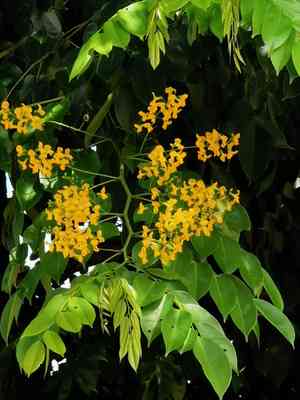
For burmese rosewood, late spring represents the ideal period for relocation, leveraging the consistent growing environment of that time. Select locations bathed in sunlight featuring soil that drains effectively. Careful management of the root system during the transfer process guarantees successful establishment.
What Preparations are Needed Before Transplanting Burmese Rosewood?
What is the Ideal Time for Transplanting Burmese Rosewood?
The optimal time for relocating burmese rosewood is during early spring. This period allows burmese rosewood to establish its root system in cool, damp soil, free from intense summer heat. Transplanting burmese rosewood now benefits from extended daylight and moderate temperatures, fostering robust root development. Moving burmese rosewood in this season provides ample time for it to strengthen before harsh weather arrives, ensuring a smoother, more successful transition.
How Much Space Should You Leave Between Burmese Rosewood Plants?
When moving burmese rosewood, ensure each plant has approximately 10-15 feet (3-4.5 meters) of space for growth. This provides sufficient room for development and optimal health.
What is the Best Soil Mix for Burmese Rosewood Transplanting?
For burmese rosewood, prepare a well-draining soil blend with organic compost. Prior to planting, incorporate a nitrogen-rich base fertilizer to create a nutrient-dense environment.
Where Should You Relocate Your Burmese Rosewood?
Burmese rosewood thrives in sunlight, so aim to replant it in a spot where it receives at least six hours of direct sun daily. Morning light is particularly advantageous.
What Equipments Should You Prepare Before Transplantation Burmese Rosewood?
Gardening Gloves
To safeguard your hands while handling roots and soil.
Shovel
To excavate the new planting hole and extract the plant from its current spot.
Trowel
To precisely adjust the planting hole and aid in plant placement.
Watering Can
To provide hydration before and after the relocation.
Garden Secateurs
To trim any damaged or excessively long roots.
Mulch
To apply around the plant's base post-transplant, helping retain soil moisture and suppress weeds.
Organic Compost
To enrich the planting hole, supplying nutrients for plant growth.
A piece of Burlap
To transport the plant without harming its root system.
How Do You Remove Burmese Rosewood from the Soil?
How Do You Remove Burmese Rosewood from the Soil?
From Ground: First, hydrate the burmese rosewood plant until the soil is moist but not saturated. This facilitates digging and minimizes plant shock. Dig a wide circle around the plant with your shovel, deep enough to get beneath the root ball. Once the plant is loose, gently lift it with the shovel and place it on burlap for transport to the new site. Avoid direct contact with roots to prevent damage.From Pot: If the plant is in a container, water it thoroughly first. Tilt the pot sideways and carefully ease the plant out. You might need to tap the pot's bottom to loosen it. Handle the plant by its root ball to prevent damage to the stem or main branches.From Seedling Tray: Water the tray well. Use your fingers or a small tool to push up from the cell's bottom, being careful to lift the seedling by its leaves rather than the stem. If roots have grown through the bottom, trim them with sterile scissors to ease extraction.
Step-by-Step Guide for Transplanting Burmese Rosewood
Preparation
Prepare the new planting hole before extracting the burmese rosewood from its current location. The hole should be 1.5 times the width and equal to the depth of the plant's root ball. Blend garden soil with organic compost for enhanced nutrition.
Placing the Plant
Position the burmese rosewood in the center of the hole, ensuring the top of the root ball is level with the ground. This prevents waterlogging, which can lead to root rot.
Backfilling
Carefully backfill the hole, ensuring roots are fully covered, but avoid heavy soil compaction as this can hinder root expansion into the native soil.
Watering
Water the plant thoroughly to settle the soil and eliminate air pockets. Avoid waterlogging, which can cause root rot. If the soil level drops after watering, add more soil.
Mulching
Apply a 2-3 inch layer of mulch around the plant's base to conserve moisture and inhibit weed growth.
How Do You Care For Burmese Rosewood After Transplanting?
Watering
Water consistently during the initial weeks or until the burmese rosewood is established, but prevent waterlogging. The soil should remain damp but not soggy. Adjust irrigation based on local climate and seasons.
Monitoring
Regularly inspect the burmese rosewood plant for any signs of stress such as wilting, yellowing, or leaf loss. If distress appears, evaluate care conditions and make necessary adjustments.
Pruning
If any parts of the burmese rosewood plant appear damaged after transplanting, prune them to prevent disease and pests. This also helps the plant direct energy to its healthiest sections.
Pests and Diseases
Watch for pests and diseases. Consult a local nursery or extension service if you're unsure what to look for. They can offer specific advice for your region and plant type.
Troubleshooting Common Issues with Burmese Rosewood Transplantation.
When is the perfect time to transplant burmese rosewood saplings?
The ideal moment for relocating burmese rosewood is during the 'S2' phase, which ensures optimal growth and plant survival.
How much space should I leave between two burmese rosewood while transplanting?
Ensure an adequate distance of about 10-15 feet (3-4.5 meters) between two burmese rosewood. This will promote unrestricted growth and prevent competition for resources.
What's the process for preparing the hole when transplanting burmese rosewood?
For burmese rosewood, excavate a hole that's twice the width of the root ball. Ensure it's 10 inches (25 cm) deep. Break up the soil at the bottom of the hole to aid quick root establishment.
How do I position the burmese rosewood sapling during transplanting?
Place the burmese rosewood sapling in the hole, ensuring the top of its root ball is level with the soil surface. This will help it establish roots effectively in its new location.
What is the ideal way to handle burmese rosewood's roots during transplantation?
Gently loosen the roots of the burmese rosewood without causing damage. Spreading out roots encourages faster establishment with the new soil.
Should I water burmese rosewood saplings immediately after transplanting?
Absolutely! Watering right after relocating burmese rosewood is crucial to minimize transplant shock. Keep the soil consistently moist, but not waterlogged.
What to do if the transplanted burmese rosewood appears to be wilting?
Don't worry! Some wilting after transplantation is normal due to transplant shock. Just ensure the plant remains hydrated and in shade for a couple of days.
How often should I water my transplanted burmese rosewood?
For the first few weeks after transplanting, keep the soil around burmese rosewood moist, watering the plant approximately twice a week. Once established, adjust watering based on the climate.
Is fertilizer necessary after transplanting burmese rosewood?
While not strictly required, using a slow-release, balanced fertilizer can provide your new burmese rosewood with a nutrient boost and enhance growth after transplanting.
How to prepare the burmese rosewood sapling for the transplanting process?
First, thoroughly water the burmese rosewood sapling a day prior. Then, before transplanting, carefully remove it from its current pot or spot without harming the root ball.



